

Time Slows Down in Dangerous Situations – Here’s Why
Introduction
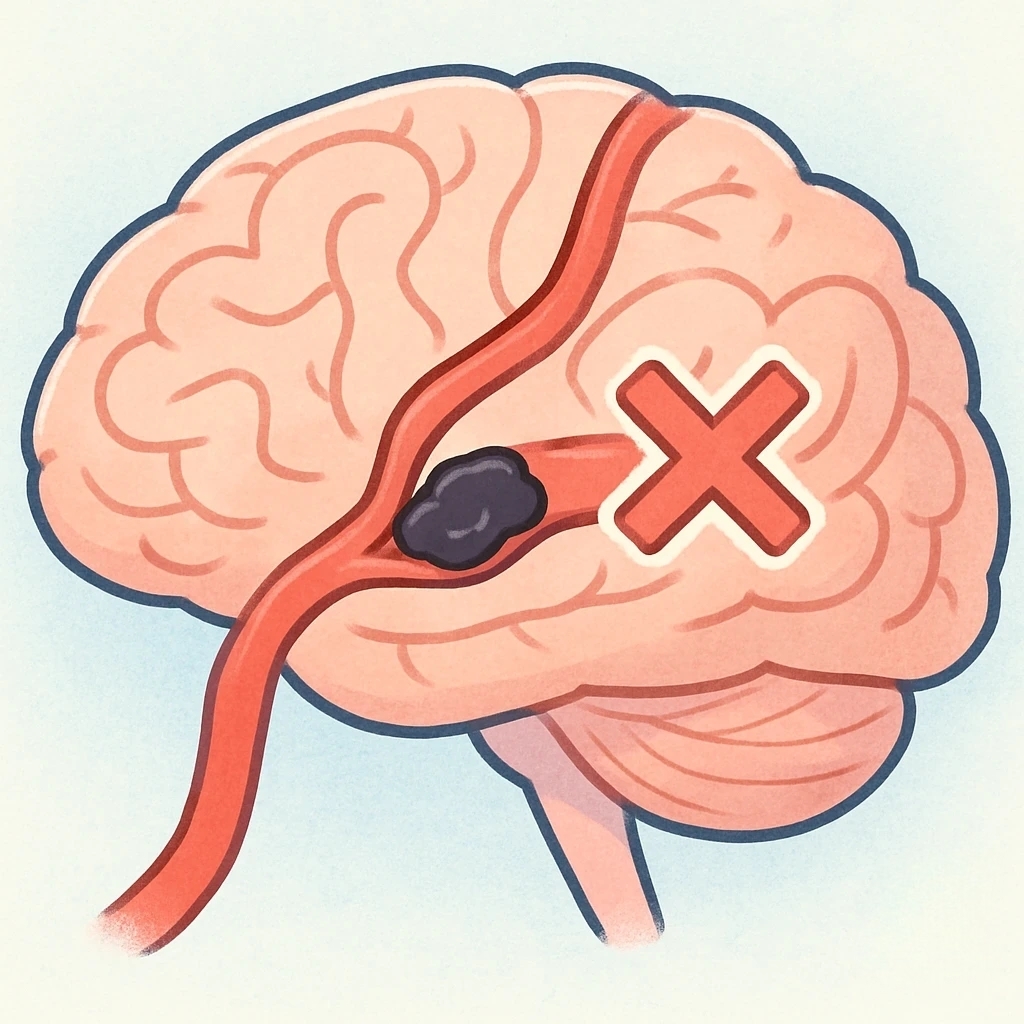
Have you ever experienced a moment where everything seemed to move in slow motion? Perhaps during a car accident, a fall, or a sudden scare—time appeared to stretch, giving you the strange feeling that seconds lasted much longer than usual.
This phenomenon is more common than you might think. Many people report that in dangerous or high-stress situations, time seems to slow down dramatically. But is time actually slowing down—or is something else happening inside your brain?
In this article, we’ll explore the science behind this fascinating experience. From brain chemistry and survival instincts to memory processing and perception, you’ll discover exactly why time appears to slow down when it matters most.
What Does It Mean When Time “Slows Down”?
The Illusion of Time Distortion
When people say time slows down, they’re describing a subjective experience. In reality, time itself continues at a constant pace. What changes is your perception of it.
Your brain processes information differently during high-stress events, creating the illusion that more time has passed than actually has.
Common Situations Where It Happens
People often report this sensation during:
Car accidents
Falling from a height
Near-death experiences
Extreme sports
Sudden loud noises or threats
These situations share one thing in common: they trigger intense stress or danger signals in the brain.
The Brain’s Survival Mode: Fight, Flight, or Freeze
How the Survival Response Works
When your brain detects danger, it activates the fight-or-flight response. This is an automatic survival mechanism designed to protect you.
Key systems involved:
Amygdala – detects threats
Hypothalamus – triggers the stress response
Adrenal glands – release stress hormones
What Happens in Your Body
Within milliseconds, your body undergoes rapid changes:
Heart rate increases
Breathing becomes faster
Muscles tense
Senses sharpen
This heightened state prepares you to react quickly—and it plays a major role in how you perceive time.
The Role of Adrenaline
Adrenaline: The Time-Altering Hormone
Adrenaline (also called epinephrine) floods your body during dangerous situations. It enhances your physical and mental performance.
Effects of Adrenaline on the Brain
Speeds up neural processing
Improves focus and attention
Enhances sensory awareness
Reduces perception of pain
Because your brain is processing information more rapidly, it creates the illusion that events are unfolding more slowly.
Why Faster Processing Feels Like Slower Time
Imagine watching a video in high frame rate. You see more detail in the same amount of time.
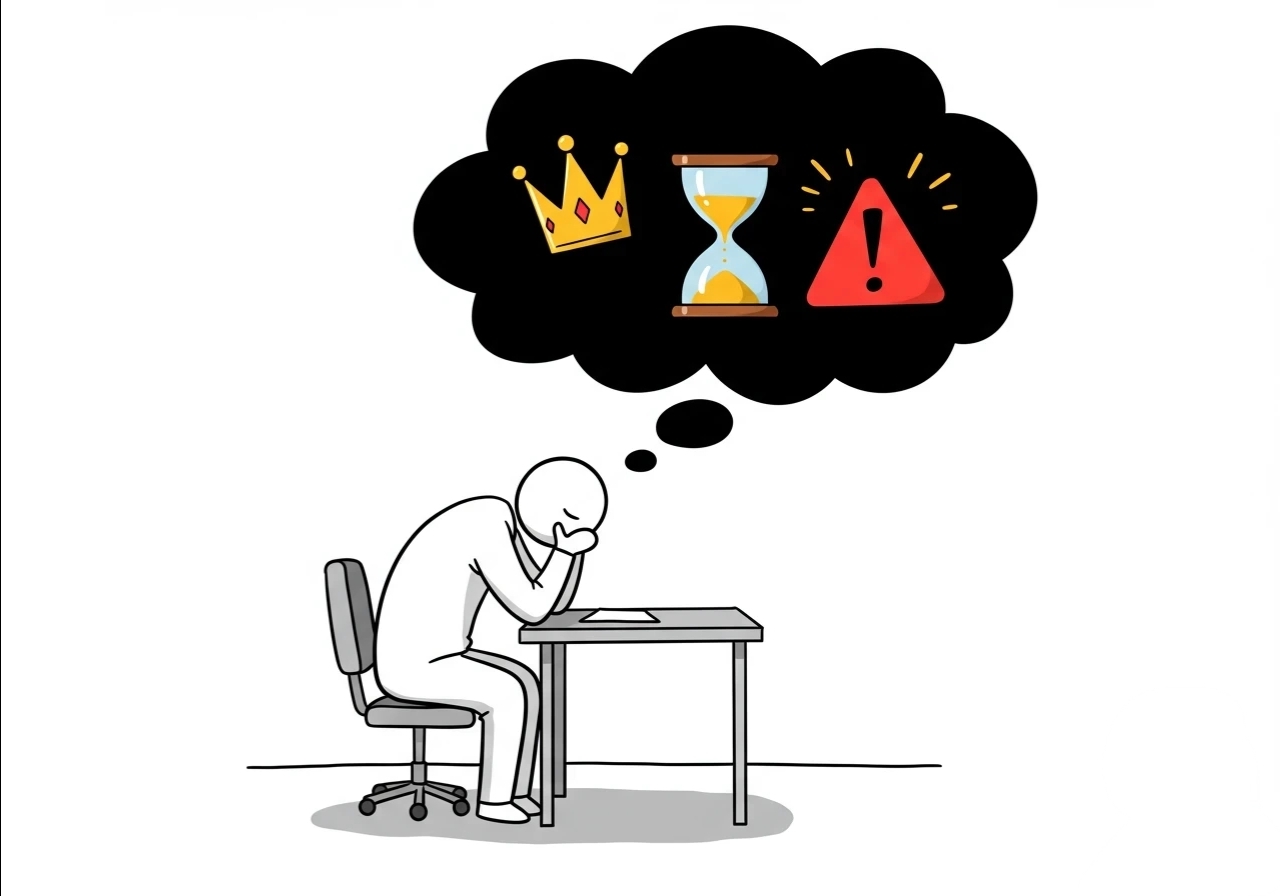
Similarly, your brain captures more “mental frames” per second, making the moment feel stretched.
Memory Plays a Huge Role
How Memories Shape Time Perception
One of the biggest reasons time feels slower is how your brain records memories during intense events.
In dangerous situations:
The brain stores more detailed information
More sensory inputs are recorded
Emotional intensity strengthens memory encoding
The “Memory Density” Theory
The more memories your brain creates in a short time, the longer that period feels in retrospect.
For example:
A routine day feels short because it lacks memorable events
A dramatic event feels long because it’s packed with details
After the Event: Why It Feels Longer
When you look back, your brain replays all those extra details. This makes it seem like the event lasted longer than it actually did.
Heightened Senses in Dangerous Moments
Your Brain Goes into Overdrive
During high-stress situations, your senses become sharper:
Vision becomes more focused
Hearing becomes more selective
Reaction time improves
This sensory enhancement contributes to the slow-motion effect.
Tunnel Vision and Time Perception
You may experience:
Tunnel vision (focusing on one thing)
Background noise fading away
Extreme clarity of movement
These changes allow your brain to concentrate on survival, while also altering your perception of time.
The Brain’s Processing Speed Increases
Faster Thinking Under Pressure
In dangerous moments, your brain processes information faster than usual. This includes:
Visual data
Motor responses
Decision-making
How This Affects Time Perception
Because your brain is working faster:
More thoughts occur in a short time
More observations are made
Reactions happen almost instantly
This creates the sensation that time is slowing down, even though it isn’t.
Scientific Studies on Time Perception
What Research Says
Scientists have studied this phenomenon using controlled experiments.
Participants exposed to sudden fear or danger often report:
Slower perceived time
Enhanced awareness
Increased detail recall
The “Free-Fall” Experiment
In one experiment, participants were dropped from a height into a safety net. Many reported that the fall felt longer than it actually was.
However, when tested, their brains didn’t actually process visual information faster in real time. Instead, the effect was linked to memory formation after the event.
Key Takeaway
Time doesn’t slow down during the event itself—your brain remembers it differently, making it feel longer.
Emotions and Time Distortion
Fear Expands Time
Strong emotions—especially fear—play a major role in time perception.
When fear is present:
Attention becomes highly focused
Awareness increases
Memory encoding intensifies
Other Emotions That Affect Time
Not just fear—other emotions can also distort time:
Excitement → time feels fast
Boredom → time feels slow
Anxiety → time feels stretched
Dangerous situations combine fear and urgency, creating a powerful time distortion effect.
Is Time Actually Slowing Down?
The Scientific Answer
No—time itself does not slow down.
Instead:
Your brain processes more information
Your memory becomes more detailed
Your perception shifts dramatically
Perception vs Reality
PerceptionRealityTime slows downTime stays constantEvents feel longerBrain stores more dataMovements seem slowerProcessing feels faster
Why This Ability Is Useful for Survival
Evolutionary Advantage
This phenomenon likely evolved to help humans survive dangerous situations.
Benefits include:
Faster reaction times
Better decision-making
Increased awareness of surroundings
How It Helps You Stay Alive
In a life-threatening moment, even a slight advantage can make a difference.
The brain’s ability to:
Focus intensely
Process quickly
Remember clearly
…can improve your chances of survival.
Real-Life Examples
Car Accidents
Many people report seeing:
Objects moving slowly
Details they wouldn’t normally notice
Time stretching during impact
Sports and Athletes
Professional athletes often describe:
The game “slowing down”
Easier decision-making under pressure
Improved reaction timing
Extreme Situations
Examples include:
Falling from a height
Avoiding sudden danger
Reacting to unexpected threats
Can You Train Your Brain to Experience This?
Controlled Focus and Awareness
While you can’t fully replicate life-threatening stress safely, you can improve awareness through:
Meditation
Mindfulness training
Reaction drills
Athletes and Soldiers
Highly trained individuals often develop:
Faster reaction times
Better focus under pressure
Improved perception of fast-moving events
This is not exactly the same as time slowing down—but it can feel similar.
Myths About Time Slowing Down
Myth 1: Time Actually Stops
Reality: Time never stops or slows in these situations.
Myth 2: Only Some People Experience It
Reality: Most people can experience it under the right conditions.
Myth 3: It Means You Have Superhuman Abilities
Reality: It’s a natural brain function, not a supernatural power.
The Link Between Attention and Time
Focused Attention Changes Time Perception
Your brain’s attention system plays a key role in how you experience time.
When attention is:
Highly focused → time feels slower
Distracted → time feels faster
Why Danger Sharpens Attention
In dangerous situations:
Distractions disappear
Focus becomes intense
Awareness increases
This heightened attention contributes to the slow-motion effect.
The Psychology Behind It
Cognitive Overload
Your brain receives a flood of information during dangerous events. This creates:
Increased mental activity
More detailed processing
Greater awareness
Time Expansion Effect
Because your brain is handling more data than usual, it gives the impression that time has expanded.
After the Moment: Why It Feels So Long
Memory Replay
After the event, your brain:
Replays the experience
Processes stored details
Strengthens emotional memory
Why It Feels Extended
The more details you recall, the longer the event seems in hindsight.
Key Takeaways
Time doesn’t actually slow down
Your brain processes information faster under stress
Adrenaline enhances awareness and focus
Memory density makes events feel longer
This ability helps improve survival chances
Conclusion
The sensation of time slowing down during dangerous situations is one of the most fascinating tricks your brain can play. While time itself remains constant, your perception shifts dramatically due to heightened awareness, faster processing, and intense memory formation.
In these critical moments, your brain is working at its peak—analyzing, reacting, and recording everything with incredible precision. What feels like slow motion is actually your mind doing everything it can to keep you safe.
So the next time you experience a moment where time seems to stretch, remember: it’s not the world slowing down—it’s your brain speeding up in extraordinary ways.

You must be logged in to post a comment.