

The way we spend our leisure time has undergone a radical transformation over the past few decades, thanks to advancements in technology. From streaming platforms and virtual reality to social media and gaming, technology has reshaped the entertainment landscape, making it more accessible, immersive, and personalized.
This article explores the key ways technology has revolutionized entertainment, its benefits, challenges, and what the future holds.
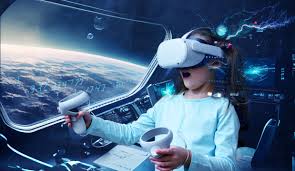
The Evolution of Entertainment
In the past, entertainment was largely communal and localized. People gathered to watch theater performances, listen to live music, or enjoy storytelling. With the advent of radio, television, and cinema, entertainment became more accessible but still followed a one-size-fits-all model.
Today, digital technology has made entertainment on-demand, interactive, and highly personalized, changing how we consume content and connect with others.
Key Technological Transformations in Entertainment
1. The Streaming Revolution
Platforms like Netflix, Hulu, and Spotify have changed how we consume media.
- On-Demand Access: Viewers can watch or listen to content anytime, anywhere.
- Global Reach: Audiences can access content from different cultures and languages.
- Personalization: Algorithms recommend content based on individual preferences.
2. The Rise of Social Media as Entertainment
Social media platforms like TikTok, Instagram, and YouTube have blurred the line between creators and audiences.
- User-Generated Content: Individuals can create, share, and monetize their own content.
- Interactive Features: Live streaming and real-time comments foster direct engagement.
- Virality: Trends and challenges spread globally within hours, shaping pop culture.
3. Gaming as a Mainstream Leisure Activity
Once a niche hobby, gaming is now a dominant form of entertainment.
- High-Quality Graphics: Advanced hardware and software provide realistic visuals.
- Online Multiplayer Games: Platforms like Fortnite and Call of Duty connect millions of players globally.
- Esports: Competitive gaming has become a professional sport with massive audiences.
4. Virtual Reality (VR) and Augmented Reality (AR)
VR and AR are making entertainment more immersive.
- Virtual Reality: Enables users to experience simulated environments, from concerts to adventure games.
- Augmented Reality: Apps like Pokémon GO integrate digital elements into the real world.
- Metaverse Potential: Platforms like Meta (formerly Facebook) are developing shared virtual spaces for socializing and entertainment.
5. AI and Personalization in Entertainment
Artificial intelligence has transformed content creation and consumption.
- Smart Recommendations: AI curates playlists and shows tailored to user preferences.
- Content Creation: AI tools assist in writing scripts, editing videos, and creating music.
- Virtual Influencers: AI-generated characters like Lil Miquela are gaining popularity.
6. Accessibility Through Mobile Devices
Smartphones have become the central hub for entertainment.
- Portable Entertainment: Movies, music, and games are just a tap away.
- App Ecosystems: Thousands of entertainment apps cater to every interest.
- Global Connectivity: Social media and multiplayer games connect people across the globe.

Benefits of Technology in Entertainment
1. Increased Accessibility
Technology has democratized entertainment, allowing anyone with internet access to enjoy content.
2. Enhanced Creativity
Digital tools enable creators to experiment with new formats and ideas.
3. Broader Cultural Exchange
Global platforms facilitate the sharing of diverse stories and traditions.
4. Tailored Experiences
Personalized recommendations make it easier for users to find content they love.
Challenges and Concerns
1. Overdependence on Technology
Excessive screen time can lead to physical and mental health issues.
2. Privacy Issues
Data collection for personalized recommendations raises concerns about user privacy.
3. Digital Divide
Not everyone has equal access to high-speed internet and modern devices.
4. Impact on Traditional Media
The rise of digital platforms has disrupted traditional industries like cinema and print media.
Future Trends in Entertainment Technology
1. Expansion of the Metaverse
Virtual worlds will likely become central to gaming, socializing, and content consumption.
2. AI-Generated Content
AI tools will play a larger role in creating music, films, and even interactive experiences.
3. Enhanced Immersive Experiences
Advancements in VR and AR will make entertainment more interactive and realistic.
4. Sustainable Practices
With growing awareness, the entertainment industry may adopt eco-friendly technologies and practices.

Conclusion
Technology has redefined leisure by making entertainment more engaging, accessible, and innovative. From streaming platforms to virtual reality, these advancements have not only enhanced our experiences but also created new ways for people to connect and express themselves.

You must be logged in to post a comment.