

Before Their First Breath: The Incredible Bond Twins Share Inside the Womb
Introduction
Long before twins take their first breath, cry, or open their eyes to the world, something extraordinary is already happening. Inside the quiet darkness of the womb, two tiny lives grow together—sharing space, nutrients, and even experiences. But their connection goes much deeper than simply developing side by side.
Scientists and doctors have discovered that twins often form a remarkable bond before they are even born. Research suggests that twins interact with each other in the womb in ways that resemble early communication and cooperation. These interactions can include touching, responding to movement, and even showing signs of emotional awareness.
For many parents expecting twins, the idea that their babies might already recognize each other before birth is both fascinating and heartwarming. Imagine two small humans growing together in the same environment, sensing each other's presence, and building the foundation of a lifelong relationship without ever seeing each other's faces.
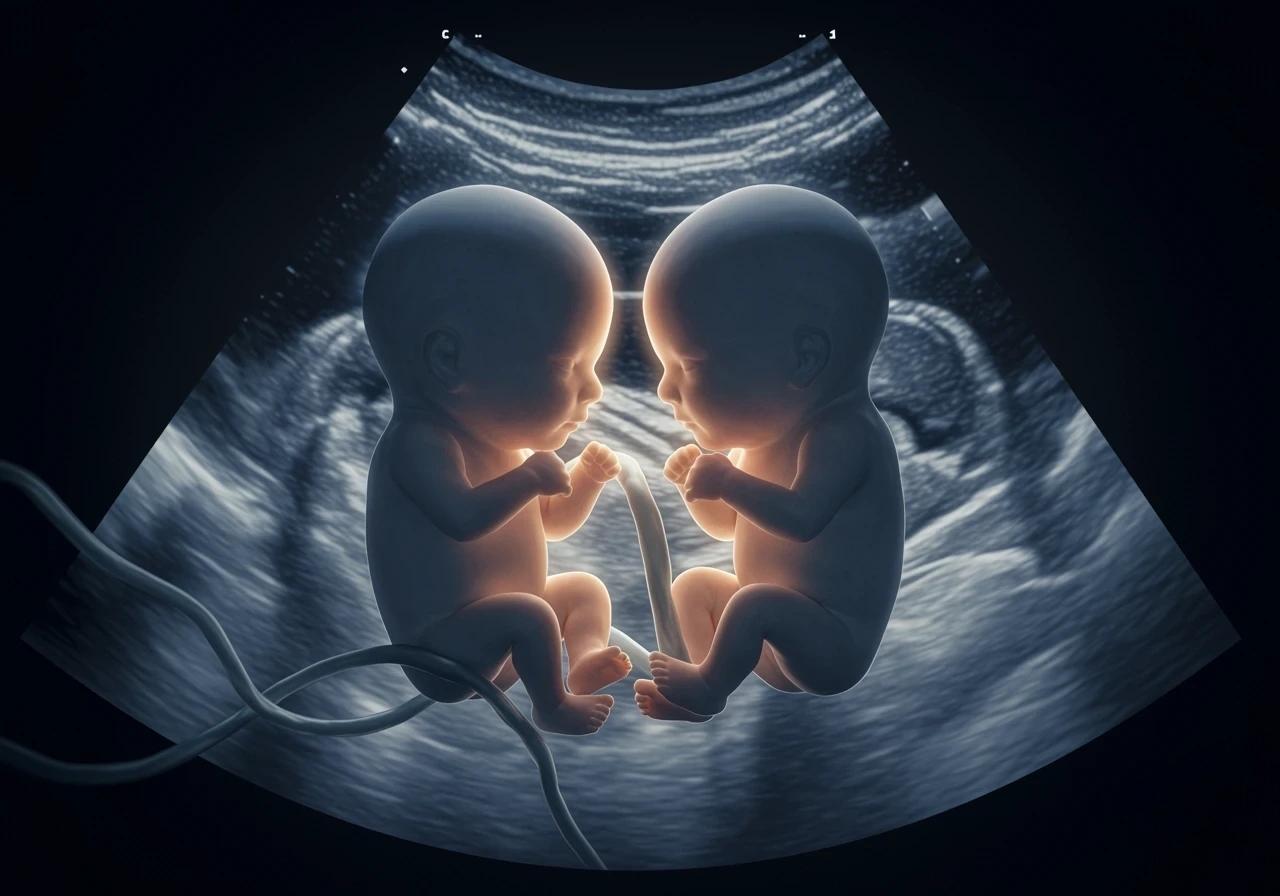
Modern ultrasound technology has revealed moments that once seemed impossible to witness—tiny hands reaching toward a sibling, gentle touches, and synchronized movements that hint at a deeper connection. These moments have changed how researchers understand prenatal development and the emotional lives of unborn babies.
The bond between twins often continues throughout their lives. Many twins report feeling an unusually strong emotional connection, sometimes described as an almost intuitive understanding of each other's feelings. While not all twins experience this bond in the same way, the roots of their relationship may begin much earlier than previously believed—inside the womb itself.
In this article, we will explore the fascinating science behind twin relationships before birth. From how twins interact in the uterus to the psychological and biological reasons behind their deep connection, you will discover why the bond between twins is one of nature’s most incredible mysteries.
Understanding Twin Pregnancies
Twin pregnancies occur when a mother carries two babies at the same time. While the idea may seem straightforward, the biology behind twins is surprisingly complex.
There are two main types of twins, each formed in different ways.
Identical Twins (Monozygotic)
Identical twins occur when a single fertilized egg splits into two embryos early in development. Because they originate from the same egg and sperm, identical twins share nearly 100% of their genetic material.
Characteristics of identical twins include:
Same DNA
Same biological sex
Very similar physical features
Often strong emotional connection
Fraternal Twins (Dizygotic)
Fraternal twins develop when two separate eggs are fertilized by two different sperm cells during the same pregnancy.
Key traits include:
Share about 50% of DNA, like regular siblings
May be the same or different genders

Often look different
Have separate placentas and amniotic sacs
Regardless of whether twins are identical or fraternal, both grow together inside the womb and can interact with each other during pregnancy.
When Does the Twin Bond Begin?
One of the most fascinating discoveries in prenatal science is that twins begin interacting with each other much earlier than researchers once believed.
Studies using 4D ultrasound technology have shown that twin fetuses begin purposeful movements toward each other as early as 14 weeks of pregnancy.
This is remarkable because at this stage, babies are still very small and developing basic motor control.
Researchers noticed several types of interactions:
Gentle touching
Hand-to-hand contact
Reaching toward the sibling’s face
Resting against each other
Interestingly, these movements appear intentional rather than accidental.
Scientists observed that when twins reach toward their sibling, their movements are slower and more controlled than when touching themselves or the uterine wall. This suggests that twins may already be aware of another presence in their environment.
How Twins Interact Inside the Womb
The womb may seem like a quiet and isolated place, but for twins, it can be surprisingly interactive.
As they grow, twins begin to share space and respond to each other's movements.
1. Touch and Physical Contact
Touch is one of the earliest forms of communication for human beings.
Inside the womb, twins often:
Hold hands
Touch each other's faces
Rest their heads together
Push or kick each other gently
These physical interactions may help twins develop early social awareness.
2. Movement Synchronization
Many twins display synchronized movements in the womb.
For example:
Both babies may move at the same time

One twin's movement may trigger the other to respond
They may mirror each other's positions
Researchers believe these behaviors may help develop early neurological coordination.
3. Shared Rhythms
Twins often adapt to similar biological rhythms while developing.
They may share patterns such as:
Sleep cycles
Movement patterns
Heart rate changes
Because they grow in the same environment and share resources, their bodies sometimes develop in parallel rhythms.
The Role of the Womb Environment
The womb is more than just a protective space—it is an environment where early sensory development begins.
For twins, this environment becomes a shared world.
Inside the uterus, twins experience:
The mother's heartbeat
Blood flow sounds
Movement of the body
Hormonal changes
Because both babies experience these signals simultaneously, they often develop similar responses to them.
The limited space inside the womb also means twins frequently come into contact with each other, strengthening early interaction.
Do Twins Recognize Each Other Before Birth
This question has fascinated scientists for decades.
While unborn babies cannot consciously recognize individuals the way adults do, research suggests twins may develop early familiarity with each other's movements and presence.
Possible signs of early recognition include:
Repeated interaction patterns
Calm responses to sibling contact
Controlled movements when touching each other
These behaviors suggest that twins may begin forming the earliest stage of a relationship long before birth.
Scientific Research on Twin Interaction
Several groundbreaking studies have explored how twins behave in the womb.
One famous study from the University of Padua in Italy analyzed twin movements using advanced ultrasound imaging.
Researchers discovered that:
Twin-to-twin contact increases significantly after week 14
These movements appear purposeful
Interaction becomes more frequent as pregnancy progresses

Scientists concluded that these interactions may represent the earliest form of social behavior in humans.
This research has changed how experts understand fetal development.
Emotional and Psychological Implications
The bond twins form before birth may influence their emotional relationship later in life.
Many twins report experiences such as:
Deep emotional understanding
Strong empathy toward each other
Shared moods or feelings
Feeling comforted by the presence of their twin
Psychologists believe early proximity and shared experiences in the womb may help create this connection.
However, every twin relationship is unique, and not all twins experience the same level of closeness.
Identical Twins and Their Extraordinary Connection
Identical twins are often known for their remarkably strong bonds.
Because they share identical DNA and often share the same placenta, their prenatal development can be especially intertwined.
Some fascinating characteristics of identical twins include:
Similar brain development patterns
Shared physical traits
Often similar personalities
Higher likelihood of emotional closeness
However, environment and life experiences still shape their individual identities.
What Parents of Twins Should Know
Expecting twins can be exciting, but it also comes with unique challenges.
Parents may notice strong bonds between their twins from a very early age.
Some common twin behaviors include:
Seeking comfort from each other
Playing together naturally
Communicating with gestures or sounds
Showing protective behavior
Supporting both togetherness and individuality is important for healthy development.
Helpful parenting tips include:
Encourage independent activities
Celebrate individual personalities
Avoid constant comparisons
Support their unique connection
Amazing Facts About Twins in the Womb
Here are some surprising facts about twins before birth:
• Twins may begin interacting as early as 14 weeks
• They can touch and respond to each other's movements
• Twin pregnancies occur in about 1 in 80 births worldwide
• Identical twins are much rarer than fraternal twins
• Ultrasound has captured twins holding hands in the womb
• Some twins show synchronized sleep patterns before birth
These discoveries continue to fascinate scientists and parents alike.
The Lifelong Twin Connection
For many twins, the connection formed before birth continues throughout their lives.
Some twins describe their relationship as:
A built-in best friend
A deep emotional mirror
A unique lifelong partnership
While each twin develops their own personality and identity, the shared beginning of their lives often creates a relationship unlike any other.
Conclusion
The story of twins does not begin at birth—it begins much earlier, in the quiet and hidden world of the womb.
Before they ever see each other’s faces, twins may already be interacting, touching, and responding to each other's presence. Scientific research has revealed that these early interactions are not random movements but may represent the first signs of human social behavior.
Growing together in the same environment, twins share sounds, sensations, and physical space in a way no other siblings experience. These shared moments may lay the foundation for the deep emotional connections many twins describe later in life.
Although science is still uncovering the mysteries of prenatal development, one thing is clear: the bond between twins is one of nature’s most fascinating relationships. From the earliest stages of life, long before their first breath, twins begin a journey together that can last a lifetime.

You must be logged in to post a comment.