

Introduction
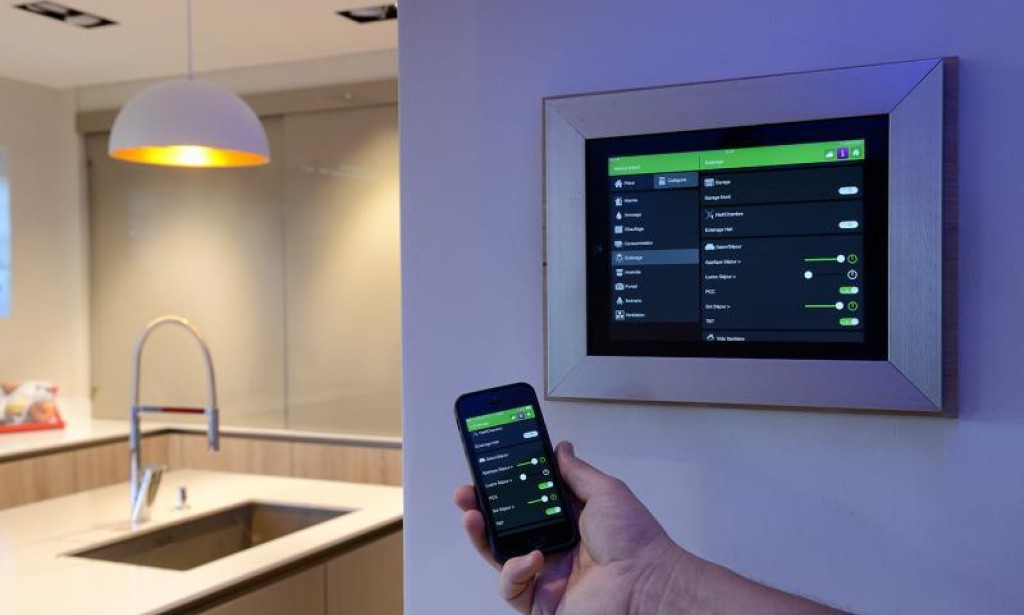
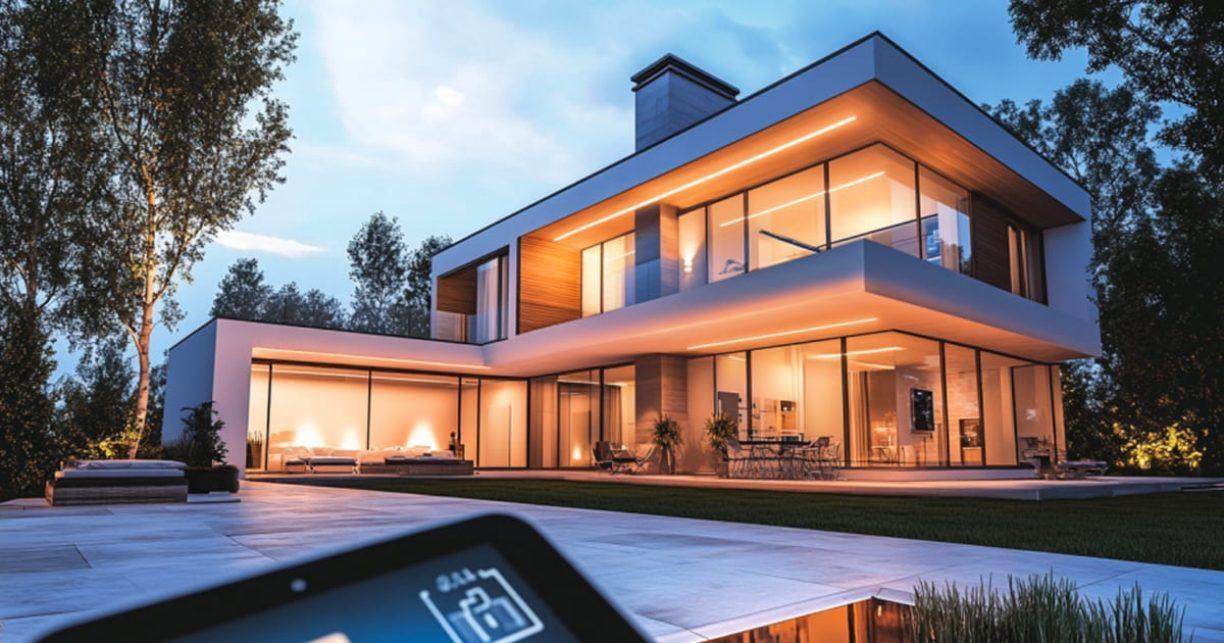
Technology is changing the way people live, work, and communicate. One of the most exciting developments in modern technology is the concept of smart homes. A smart home uses internet-connected devices and automated systems to make daily activities easier, safer, and more comfortable.
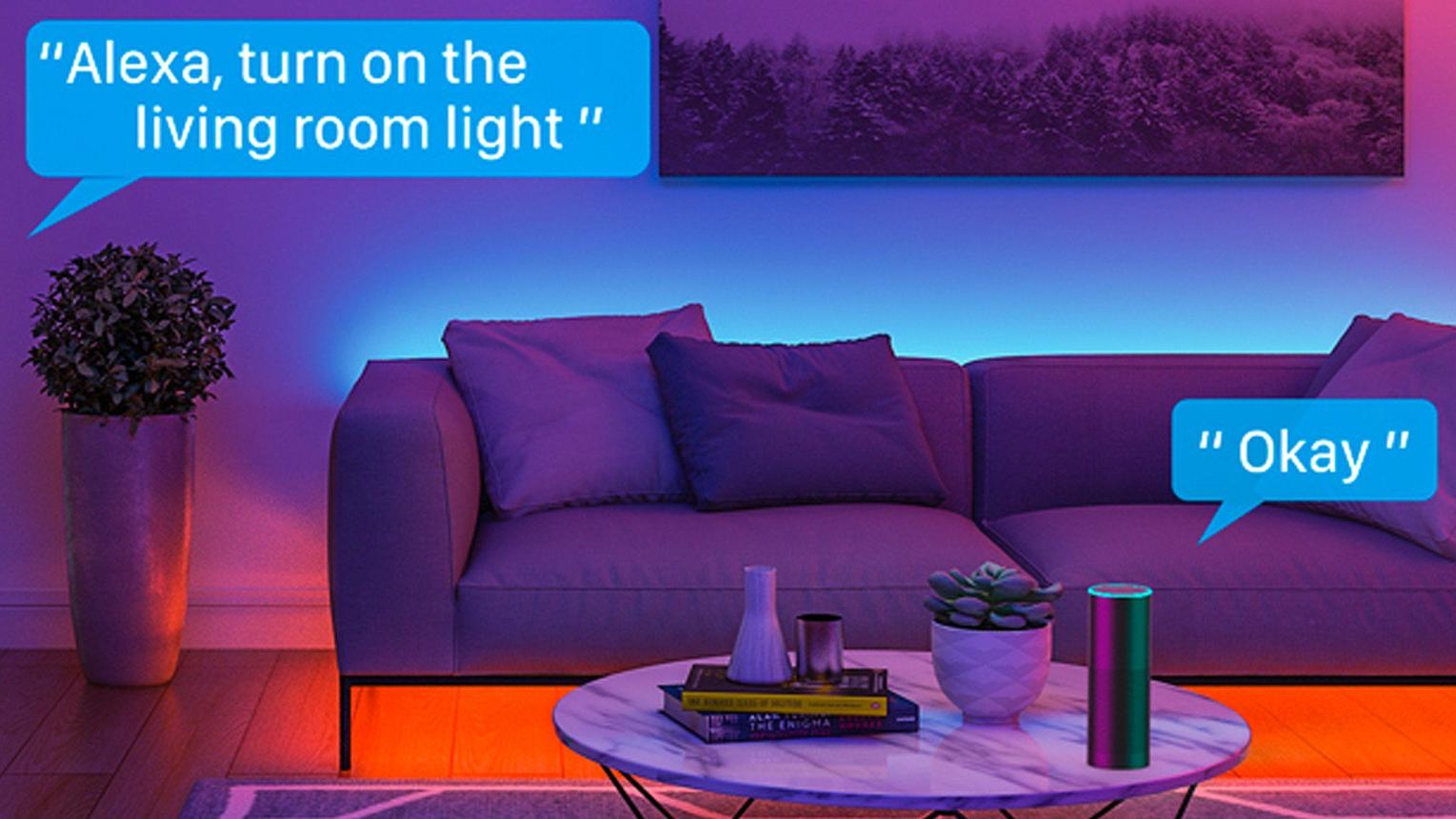
Imagine controlling your lights, fans, air conditioners, security cameras, and other household appliances using your smartphone. You can even use voice commands to switch on lights or adjust the temperature without touching a switch. These facilities are becoming increasingly popular in modern homes.
Smart home technology is not just about luxury. It also helps people save time, manage energy consumption, and improve home security. As technology continues to develop, smart homes may become a normal part of everyday life.
1. What Is a Smart Home?
A smart home is a house equipped with connected electronic devices that can be controlled remotely or automatically. These devices communicate through the internet or other wireless technologies.
Homeowners can manage different household systems through smartphones, tablets, computers, or voice assistants.
For example, a person can turn off the lights while sitting in another room or check security cameras while away from home.
Smart home systems can include smart lighting, smart locks, security cameras, thermostats, televisions, and automated appliances.
The main purpose of a smart home is to make household management more convenient and efficient.
2. How Does Smart Home Technology Work?
Smart homes use different technologies to connect household devices. Wi-Fi, Bluetooth, Zigbee, and other communication systems allow smart devices to exchange information.
Most smart home devices are connected to a central application or control system.
For example, a homeowner can install a smart lighting system and connect it to a mobile application. The application allows the user to switch lights on or off, adjust brightness, and create automatic schedules.
Some systems also use artificial intelligence to understand user preferences and perform tasks automatically.
These technologies work together to create a connected and convenient living environment.
3. Smart Lighting Systems
Smart lighting is one of the most common features of a smart home.
Traditional lights require manual switches, while smart lights can be controlled through smartphones or voice commands.
Users can change brightness, select different lighting colours, and schedule when lights should turn on or off.
Motion sensors can also automatically activate lights when someone enters a room.
Smart lighting provides convenience and may reduce unnecessary electricity consumption when properly configured.
4. Smart Home Security
Home security is one of the biggest reasons people choose smart home technology.
Smart security systems include cameras, motion sensors, smart doorbells, alarms, and digital locks.
Security cameras allow homeowners to monitor their properties through mobile applications. Some devices send notifications when unusual movement is detected.
Smart door locks allow people to lock and unlock doors using digital codes, mobile applications, or other authorized methods.
These systems can provide additional protection and help homeowners monitor their properties when they are away.
However, strong passwords and secure internet connections are important for protecting smart security devices.
5. Smart Kitchen Appliances
Smart technology is also transforming modern kitchens.
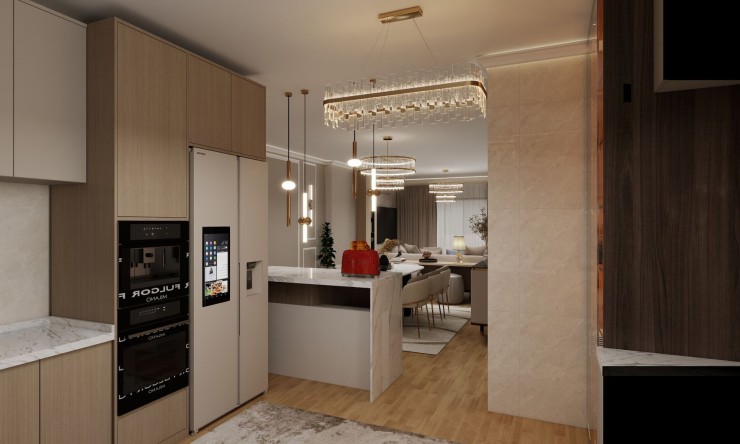
Smart refrigerators can help users monitor food storage and manage grocery lists. Some advanced models include touchscreens and internet connectivity.
Smart ovens allow users to control cooking temperatures and timers through mobile applications.
Other connected kitchen appliances include coffee machines, dishwashers, and cooking devices.
These technologies can save time and make kitchen activities more convenient.
6. Benefits of Smart Homes
Smart homes offer several advantages that improve daily living.
Convenience: People can control different household appliances using smartphones or voice commands.
Energy Efficiency: Smart thermostats and lighting systems help manage electricity consumption.
Home Security: Smart cameras, alarms, and digital locks provide additional security features.
Time Saving: Automated household tasks reduce the need for constant manual control.
Comfort: Smart temperature controls and lighting systems help create a comfortable environment.
Remote Access: Homeowners can monitor and control connected devices even when they are away.
These benefits make smart home technology attractive to people who want a more organized lifestyle.
7. Smart Homes and Energy Saving
Energy conservation is an important advantage of smart home technology.
Smart thermostats can automatically adjust heating and cooling settings according to schedules or user preferences.
Smart lights can turn off when rooms are empty, reducing unnecessary electricity usage.
Smart plugs can help users monitor and control the power consumption of certain appliances.
When combined with renewable energy sources such as solar panels, smart home systems can support more efficient energy management.
These features are especially useful in areas where electricity costs are high.
8. The Role of Artificial Intelligence in Smart Homes
Artificial intelligence is making smart homes more advanced.
AI-powered systems can learn user preferences and help automate everyday activities.
For example, a smart assistant may recognize voice commands and respond to requests such as turning on lights, playing music, or checking the weather.
Some intelligent systems can also suggest suitable temperature settings based on previous usage patterns.
As artificial intelligence develops, smart homes may become more responsive and capable of managing household activities with less human effort.
9. Disadvantages of Smart Homes
Although smart homes offer many benefits, they also have some disadvantages.
The initial installation cost can be expensive because smart devices and automated systems may require additional investment.
Another concern is internet dependency. Some smart devices cannot provide their full functionality without a stable internet connection.
Privacy and cybersecurity are also important challenges. Connected devices may collect personal information, so users must choose reliable products and protect their accounts with strong passwords.
Compatibility can create additional difficulties when devices from different manufacturers do not work together properly.
Therefore, homeowners should carefully research smart products before purchasing them.
10. Smart Homes in Pakistan
Smart home technology is gradually gaining attention in Pakistan.
People are becoming interested in smart lights, security cameras, automated door locks, smart switches, and voice-controlled appliances.
In cities such as Karachi, Lahore, and Islamabad, modern homeowners are exploring ways to make their houses more secure and convenient.
However, the cost of advanced systems and internet reliability can affect their adoption.
Affordable smart devices and better technical awareness may encourage more Pakistani households to adopt this technology in the future.
11. The Future of Smart Homes
The future of smart homes is full of exciting possibilities.
Artificial intelligence, robotics, renewable energy, and improved wireless connectivity may make home automation more advanced.
Future homes may automatically adjust lighting, temperature, security, and energy consumption according to residents' needs.
Smart appliances may communicate with one another and coordinate different household activities.
Technology may also help elderly people and individuals with mobility difficulties manage their homes more independently.
As smart technology becomes more affordable and accessible, more families may benefit from connected living environments.
Conclusion
Smart homes represent an important step towards modern and technology-driven living. They combine internet-connected devices, automation, artificial intelligence, and security systems to make everyday activities easier.
Although installation costs, privacy concerns, and internet dependency remain challenges, the benefits of convenience, comfort, and energy management make smart home technology increasingly attractive.
By choosing reliable devices and using them responsibly, homeowners can create safer, smarter, and more efficient living spaces.
Smart homes are not simply a vision of the future; they are becoming an important part of modern life.






Comments 0
Sign in to join the conversation.
No comments yet. Be the first to say something.