

1. Introduction to Smart Home Technology
Smart home technology is the integration of advanced systems and devices that allow homeowners to automate and remotely control various functions within their homes. Powered by the Internet of Things (IoT), these technologies enable connectivity between devices such as lighting systems, thermostats, security cameras, and even kitchen appliances.
For example, a smart home setup might include a thermostat that adjusts itself based on your schedule, lighting systems that turn on when you enter a room, and voice-activated assistants that help manage your daily tasks. These interconnected systems create a seamless experience designed for convenience, efficiency, and enhanced security.
The adoption of smart home technology is growing exponentially, with an increasing number of households embracing automation to make life easier and more efficient.

2. The Benefits of Living in a Smart Home
Living in a smart home offers numerous advantages:
- Convenience: Automating daily tasks, such as adjusting the thermostat or controlling lighting, saves time and effort.
- Energy Efficiency: Smart devices like thermostats and lighting systems help reduce energy consumption, contributing to lower utility bills and a smaller carbon footprint.
- Enhanced Security: With smart cameras, door locks, and motion sensors, homeowners can monitor their properties in real time and respond to potential threats instantly.
- Personalization: Many smart systems learn user preferences and adapt settings automatically, providing a tailored living experience.
These benefits demonstrate why smart homes are becoming a cornerstone of modern living, making everyday life more efficient and secure.

3. Must-Have Smart Home Devices for Modern Living
A wide range of smart home devices is available to meet various needs. Here are some of the most popular categories:
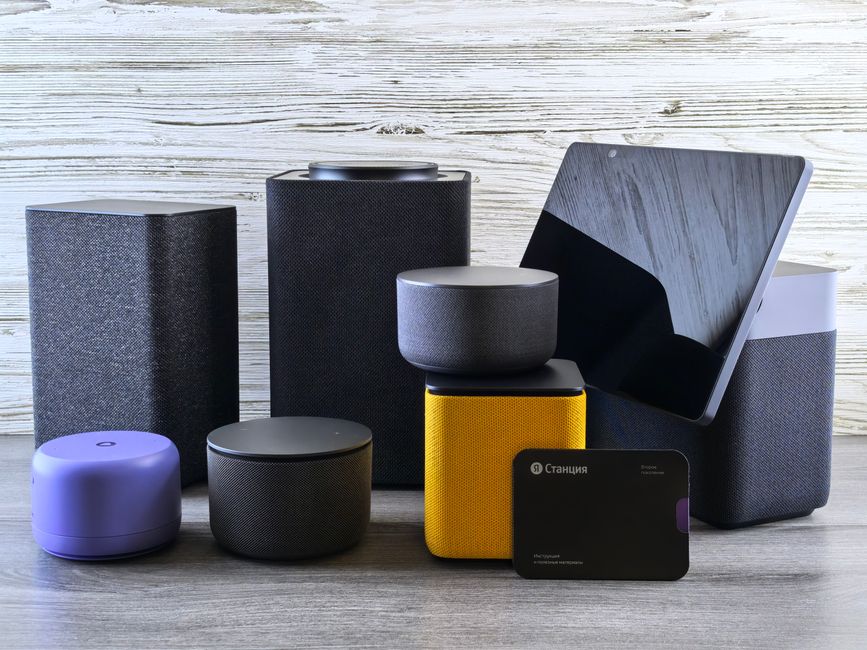
- Smart Speakers: Devices like Amazon Echo and Google Nest act as hubs for voice-activated control of other connected devices.
- Smart Thermostats: Brands such as Nest and Ecobee optimize heating and cooling systems for energy savings.
- Smart Security Systems: Companies like Ring and Arlo offer advanced home surveillance, motion detection, and remote monitoring capabilities.
- Smart Appliances: Refrigerators, ovens, and washing machines equipped with smart features allow for enhanced functionality and remote operation.
Each of these devices contributes to a connected, efficient, and comfortable living environment.
4. The Role of AI and IoT in Home Automation
Artificial Intelligence (AI) and IoT are the backbone of smart home technology. AI allows systems to learn from user behaviors and preferences, automating tasks and providing personalized recommendations. For instance, an AI-powered lighting system can gradually dim lights in the evening based on your bedtime routine.
IoT, on the other hand, ensures connectivity and communication between devices. Through IoT, devices can share real-time data, making it possible to control and monitor systems remotely via mobile apps or voice commands.
Together, AI and IoT enhance the efficiency, adaptability, and intelligence of smart home systems, making them indispensable for modern households.
5. Challenges and Emerging Trends in Smart Home Technology
Despite its potential, the widespread adoption of smart home technology faces several challenges:
- Privacy Concerns: The collection and storage of user data by smart devices raise concerns about cybersecurity and data breaches.
- Compatibility Issues: Devices from different manufacturers may not always integrate seamlessly, limiting functionality.
- High Initial Costs: Setting up a fully automated smart home can be expensive, making it less accessible for some consumers.
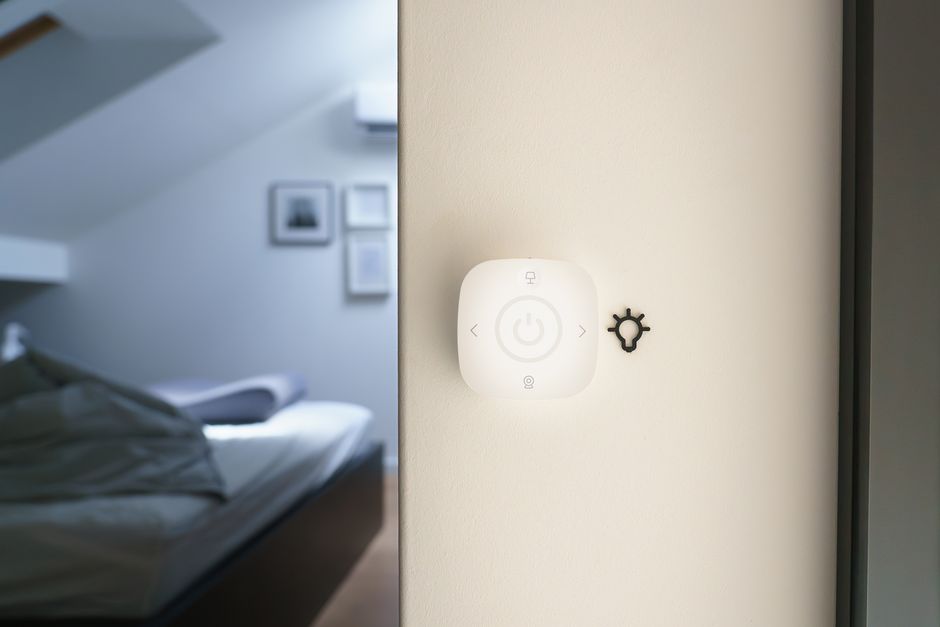
Emerging trends in smart home technology aim to address these issues. Innovations like blockchain for secure data sharing, 5G for faster device communication, and open-source platforms for enhanced compatibility are paving the way for a more connected future. As these advancements unfold, the smart home market is set to grow even further, reshaping the way we live and interact with our homes.









Comments 0
Sign in to join the conversation.
No comments yet. Be the first to say something.