


In 2025, smart homes have matured from novel tech showcases into truly intelligent, adaptive, and deeply integrated living spaces. No longer limited to isolated gadgets or voice commands, the smart home of today is an ecosystem where artificial intelligence, environmental awareness, and human-centric design converge to elevate everyday life.
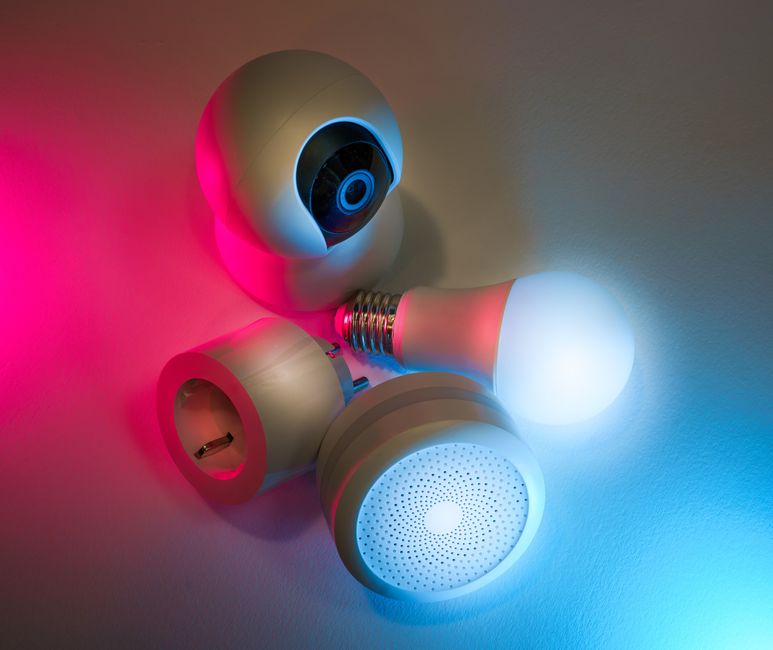
The Evolution of Smart Homes
Just a decade ago, the idea of a smart home often conjured up images of Wi-Fi connected lightbulbs and voice assistants that could play music or set timers. Today, in 2025, those features are just the beginning. We’re witnessing the dawn of holistic automation where technology anticipates, learns, and responds to human needs with remarkable precision.
At the heart of this evolution is AI integration. Machine learning algorithms now learn routines, predict preferences, and make real-time decisions to enhance comfort and efficiency. From adjusting lighting based on mood or natural sunlight to preheating the oven when you're on your way home, smart homes today actively assist rather than simply respond.

Core Components of Smart Homes in 2025
1. AI-Driven Automation
Modern smart homes use contextual AI to orchestrate daily life. These systems analyze patterns from wearable devices, calendars, location data, and environmental sensors to customize experiences. For example, your home can detect your elevated heart rate after a run and start a warm shower, lower the lights, and queue up relaxing music.
2. Sustainability and Energy Efficiency
Climate consciousness has become a priority, and smart homes are now key players in sustainability. Smart thermostats, solar panels with AI-powered distribution, and intelligent energy grids help reduce waste and lower utility bills. In 2025, homes even negotiate with energy providers in real-time to purchase electricity during off-peak hours, maximizing cost-effectiveness.

3. Enhanced Security Systems
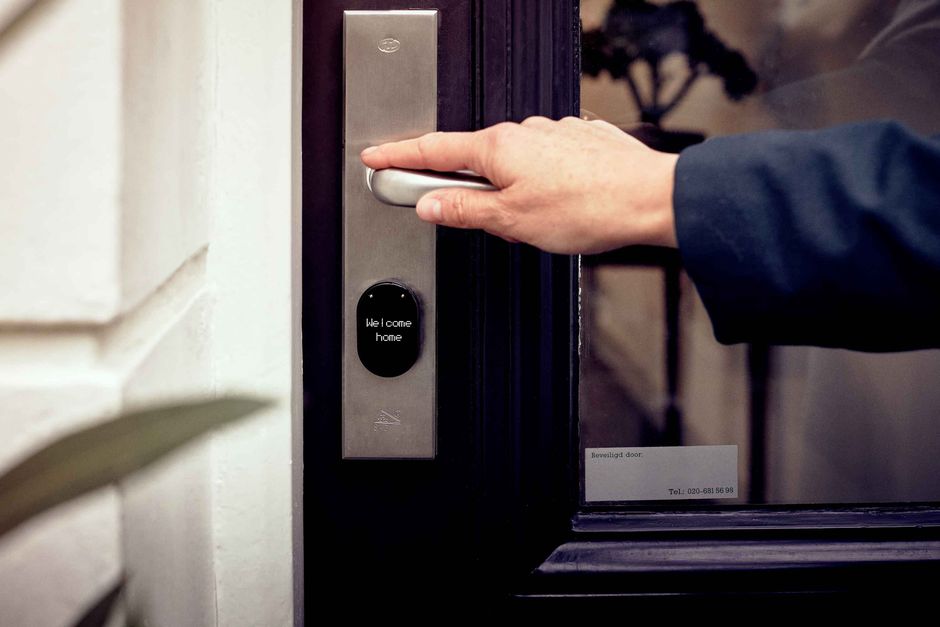
Security in smart homes is more proactive than reactive. Facial recognition entry systems, drone surveillance, real-time intrusion alerts, and AI threat analysis provide comprehensive protection. These systems don’t just alert you—they can deter threats, alert authorities, and even simulate occupancy when you’re away.
4. Health and Wellness Integration
Smart homes now contribute directly to health and wellness. Smart beds monitor sleep quality and suggest improvements. Air quality sensors adjust ventilation based on CO2 levels. Connected kitchen appliances provide nutritional guidance, and even toilets offer real-time health diagnostics using bio-sensing technology.

5. Interconnectivity and Interoperability
Gone are the days of fragmented smart devices. The industry has embraced universal standards, enabling seamless communication between different brands and devices. Whether it’s your fridge, smartwatch, EV, or lighting system, everything speaks the same language and works together effortlessly.
Living in a Smart Home: A Day in the Life
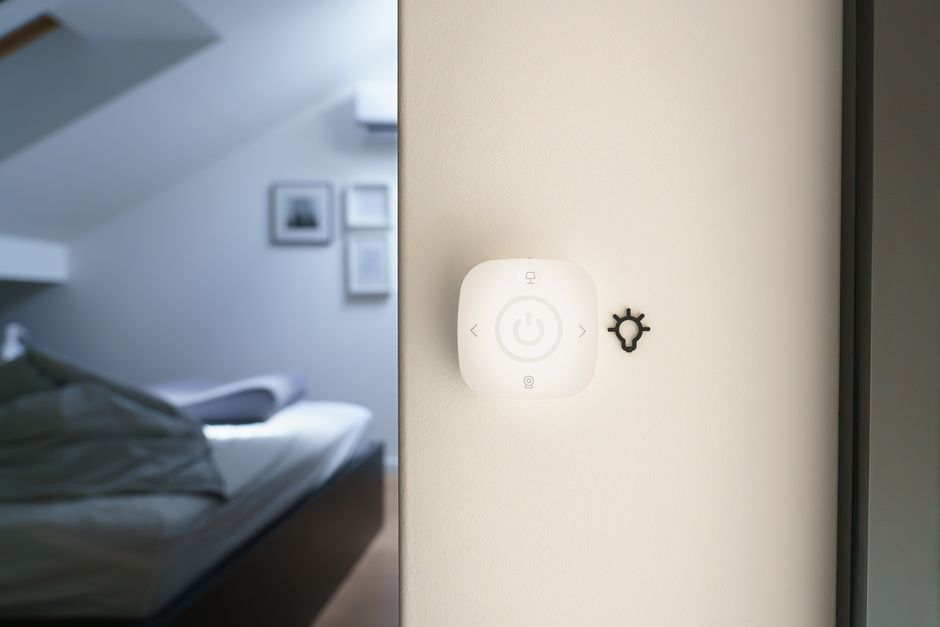
Morning: You wake up to gradual lighting that mimics sunrise. Your wearable syncs with your smart home to report sleep quality. The bathroom is pre-warmed, and your mirror shows personalized news and weather.
Afternoon: While you’re out, the home’s energy system adjusts based on sunlight exposure, rerouting excess solar energy to your home battery. A delivery arrives and is stored in a secure smart locker.
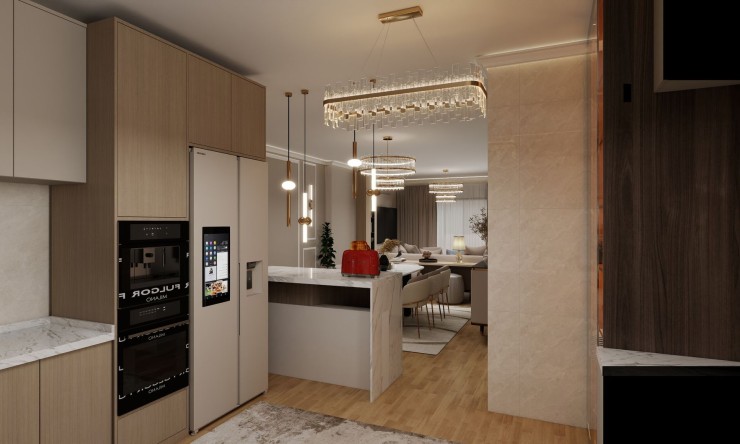
Evening: The AI detects fatigue and shifts lighting to warmer hues, cues calming music, and recommends a light, healthy dinner. Your smart fridge suggests recipes based on its inventory.
Night: The security system arms itself, checks locks, and lowers blinds. Climate control optimizes your bedroom environment for deep sleep, and white noise is subtly introduced based on sound levels.

Privacy and Ethical Considerations
With all this data being collected and processed, privacy is a major concern. In 2025, privacy-first design is becoming standard. Edge computing ensures that much of the data is processed locally, and transparent data usage policies are enforced. Users can choose what data to share, and encrypted channels are used to communicate sensitive information.
Still, as homes become smarter, ethical questions arise: Who owns the data? What happens when an AI makes a mistake? How do we balance automation with human agency? These are active discussions shaping regulations and designs.

The Future Outlook
The next frontier includes emotion-aware environments, quantum-encrypted security systems, and self-healing infrastructure that detects and repairs faults automatically. The smart home of 2025 is not a destination but a milestone on the path to even more immersive, intuitive, and resilient living environments.
Moreover, with the rise of smart cities, individual smart homes are becoming nodes in a broader connected network, sharing data to optimize urban energy use, traffic flow, and disaster response.

Final Thoughts
Smart homes in 2025 represent a convergence of innovation, sustainability, and lifestyle enhancement. They aren’t just changing how we interact with technology—they’re redefining what it means to feel at home. Whether it’s about improving convenience, health, safety, or environmental impact, smart living is no longer optional. It’s the new normal.
As we continue to innovate and redefine the spaces we live in, the focus must remain on human-centric design—technology that adapts to us, not the other way around.







Comments 0
Sign in to join the conversation.
No comments yet. Be the first to say something.