

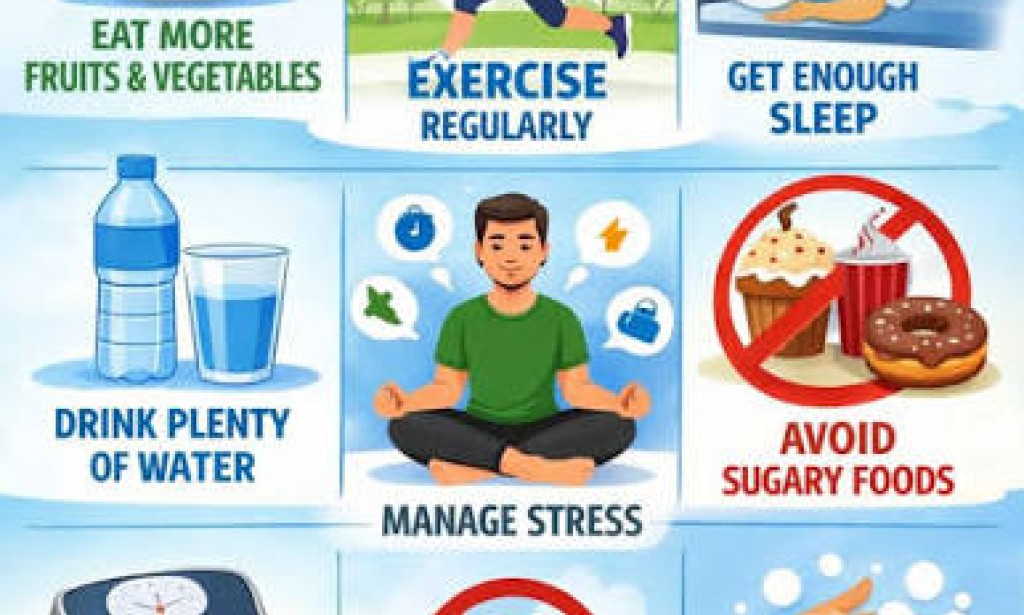
Healthy Living: Simple Ways to Improve Your Health and Well-Being
Introduction
Health is one of the most valuable blessings in human life. A healthy person can enjoy life, achieve personal goals, and perform daily activities with energy and confidence. Good health is not only about avoiding diseases; it also means maintaining physical fitness, mental peace, emotional stability, and positive social relationships.
In today's modern world, many people ignore their health because of busy schedules, unhealthy eating habits, lack of exercise, and insufficient sleep. These habits can negatively affect their quality of life. Therefore, everyone should understand the importance of a healthy lifestyle and develop positive habits to protect their health.
1. Understanding the Meaning of G
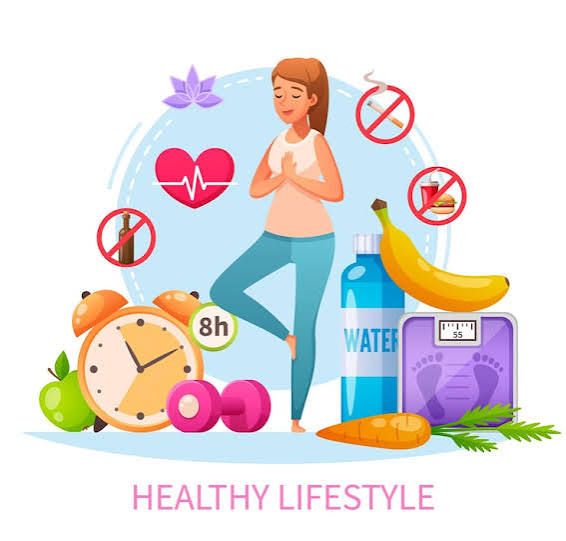
ood Health
Good health means maintaining a balanced condition of the body and mind. It allows individuals to work, study, communicate, and enjoy everyday activities.
Health has different dimensions. Physical health keeps the body strong and active. Mental health helps people think clearly and manage stress. Emotional health allows individuals to understand their feelings, while social health helps them build positive relationships.
All these dimensions are connected. When people take care of their bodies and minds, they can enjoy a better and more balanced life.
2. Importance of a Balanced Diet
A balanced diet is essential for maintaining good health. Our bodies need different nutrients to produce energy, repair tissues, strengthen bones, and support the immune system.
A healthy diet should include fresh fruits, vegetables, whole grains, proteins, and healthy fats. Foods such as eggs, fish, chicken, beans, lentils, and milk provide important nutrients.
Fruits and vegetables contain vitamins, minerals, and fibre that support normal body functions. Whole grains provide energy and support digestion.
People should avoid eating too much junk food, sugary snacks, and highly processed foods. Making healthy food choices every day can improve physical fitness and support long-term health.
3. Importance of Drinking Enough Water
Water is necessary for the proper functioning of the human body. It helps regulate body temperature, supports digestion, transports nutrients, and removes waste materials.
Not drinking enough water may cause dehydration, headaches, tiredness, and difficulty concentrating.
Everyone should develop the habit of drinking clean water throughout the day. Instead of consuming too many soft drinks and sugary beverages, people should choose water as their main source of hydration.
4. Benefits of Regular Exercise
Physical exercise plays an important role in maintaining a healthy lifestyle. Regular physical activity strengthens muscles, supports heart health, improves flexibility, and helps maintain a healthy weight.
People can include different activities in their daily routines, such as walking, jogging, cycling, swimming, yoga, and outdoor games.
Exercise also improves mood, reduces stress, and increases energy levels. Adults should aim for at least 150 minutes of moderate physical activity each week.
People who are not physically active should start with simple exercises and gradually increase their activity levels.
5. The Importance of Mental Health
Mental health is just as important as physical health. It influences how people think, feel, communicate, and respond to everyday challenges.
Students may experience examination stress, teachers may face professional responsibilities, and employees may experience workplace pressure. These challenges can affect mental well-being.
People can support their mental health by spending time with family, reading books, taking regular breaks, sharing feelings with trusted individuals, and practising relaxation techniques.
Seeking professional support when necessary is also important. Taking care of mental health is a positive step towards a happier and healthier life.
6. The Role of Proper Sleep
Sleep is essential for maintaining physical and mental health. During sleep, the body recovers, repairs tissues, and restores energy.
Adults generally need seven to nine hours of sleep every night. Poor sleeping habits can cause tiredness, irritability, and difficulty concentrating.
To improve sleep quality, people should maintain a regular sleeping schedule, avoid excessive mobile phone use before bedtime, and create a comfortable sleeping environment.
Proper sleep helps individuals remain fresh, active, and productive throughout the day.
7. Personal Hygiene and Cleanliness
Personal hygiene protects us from harmful germs and infections. Cleanliness should become a regular part of everyone's daily routine.
Important hygiene habits include washing hands with soap, brushing teeth twice daily, taking regular baths, wearing clean clothes, and keeping nails clean.
We should also maintain cleanliness in our homes, schools, workplaces, and surroundings. Proper waste disposal and access to clean drinking water help protect individuals and communities from diseases.
8. Disease Prevention and Healthcare
Prevention is better than cure. People should take preventive measures to protect themselves from different diseases.
Vaccination, regular medical check-ups, balanced nutrition, physical activity, and personal hygiene are important parts of preventive healthcare.
People should never ignore unusual symptoms or delay seeking medical advice. Regular health awareness helps individuals make informed decisions and protect their families.
Avoiding tobacco and other harmful substances is also essential for maintaining good health.
9. Effects of an Unhealthy Lifestyle
An unhealthy lifestyle can negatively affect the human body and mind. Eating excessive junk food, avoiding exercise, sleeping poorly, and spending too much time sitting may increase the risk of different health problems.
Unhealthy eating and physical inactivity can contribute to weight gain. Poor dietary habits may increase cardiovascular risks, while certain lifestyle patterns can increase the risk of type 2 diabetes.
Similarly, insufficient sleep and excessive stress can affect mental well-being and daily performance.
Understanding these risks encourages people to adopt healthier habits and make better decisions.
10. Health Education and Awareness
Health education plays an important role in creating a healthy society. Schools, colleges, families, and healthcare institutions should spread awareness about nutrition, cleanliness, exercise, and disease prevention.
Teachers can encourage students to participate in sports, drink clean water, and choose nutritious foods. Parents should also guide children by practising healthy habits at home.
When people have accurate health information, they can make better decisions for themselves and their families.
11. Technology and Modern Healthcare
Technology has made healthcare information more accessible. People can use mobile applications and smartwatches to monitor physical activity, sleep patterns, and daily fitness goals.
Online educational resources also help individuals learn about nutrition, exercise, and disease prevention.
However, technology should be used responsibly. Excessive screen time can reduce physical activity and disturb sleep. Technology should support healthy living rather than replace physical activities and professional medical advice.
12. Simple Daily Habits for Better Health
A healthy lifestyle does not require expensive products or complicated routines. Small daily habits can create positive changes over time.
Some useful habits include:
Wake up at a regular time.
Eat a nutritious breakfast.
Drink enough clean water.
Include fruits and vegetables in meals.
Exercise or walk regularly.
Maintain personal hygiene.
Reduce unnecessary screen time.
Spend quality time with family.
Manage stress positively.
Get sufficient sleep.
Consistency is the key to developing a healthy lifestyle. Even small improvements can make everyday life better.
13. Health and Personal Productivity
Good health has a positive influence on education, employment, and personal development.
Healthy students can concentrate better, participate in classroom activities, and manage their studies more effectively. Similarly, healthy employees can perform their professional responsibilities with greater energy and focus.
When people take care of their physical and mental health, they may experience better concentration, improved confidence, and greater motivation.
Therefore, health should be considered an important investment in personal and professional success.
Conclusion
Health is the foundation of a happy, successful, and productive life. A balanced diet, regular exercise, proper sleep, personal hygiene, mental well-being, and preventive healthcare are essential for maintaining good health.
Everyone should understand that health is more valuable than material possessions. We should not wait until we become sick to start caring for ourselves. Every small positive action can make a difference.
A healthy lifestyle begins with small steps and consistent efforts. Take care of your body, protect your mind, and make healthy choices every day.
Remember, your health is your greatest wealth. Invest in it today for a happier, healthier, and brighter tomorrow.









Comments 0
Sign in to join the conversation.
No comments yet. Be the first to say something.