

Introduction
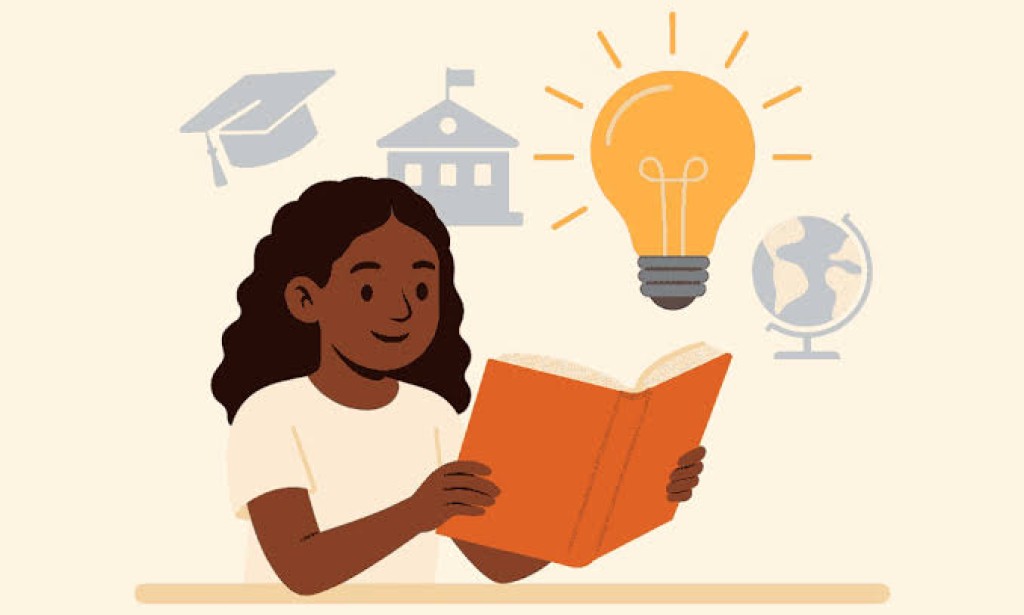
Education is one of the most powerful tools for changing human lives. It provides knowledge, develops skills, builds confidence, and creates opportunities for a better future. Education is not limited to reading books or passing examinations. It teaches people how to think, solve problems, make decisions, and understand the world around them.
In today's modern society, education plays an important role in personal development and national progress. Every individual deserves the opportunity to receive quality education and develop their abilities. A well-educated society can achieve economic growth, reduce poverty, promote equality, and create a peaceful environment.
1. What Is Education?
Education is the process of gaining knowledge, skills, values, and experiences through learning and teaching. It begins at home and continues in schools, colleges, universities, and everyday life.
There are different types of education:
Formal Education: This type of education takes place in schools, colleges, and universities through an organized system.
Informal Education: People gain informal education through family experiences, daily activities, conversations, and observations.
Non-Formal Education: This includes short courses, professional training, workshops, and skill-development programs.
All these forms of education help individuals improve their knowledge and abilities.
2. Importance of Education in Personal Development
Education helps people understand their strengths, interests, and abilities. It develops confidence and encourages individuals to work towards their goals.
Educated people can communicate effectively, think critically, and make informed decisions. They are also better prepared to face challenges in their personal and professional lives.
Education teaches discipline, responsibility, patience, and respect for others. These qualities help individuals become responsible members of society.
3. Education and Career Opportunities
Education creates better career opportunities. People with appropriate knowledge and professional skills can apply for different jobs and explore various career paths.
Today, many organizations require employees who have communication skills, computer knowledge, problem-solving abilities, and professional experience.
Students should focus not only on academic qualifications but also on practical skills. Learning English, computer skills, digital marketing, content writing, and other professional skills can help individuals explore new opportunities.
Education also encourages entrepreneurship. People can use their knowledge to start small businesses, provide services, and become financially independent.
4. The Role of Teachers in Education
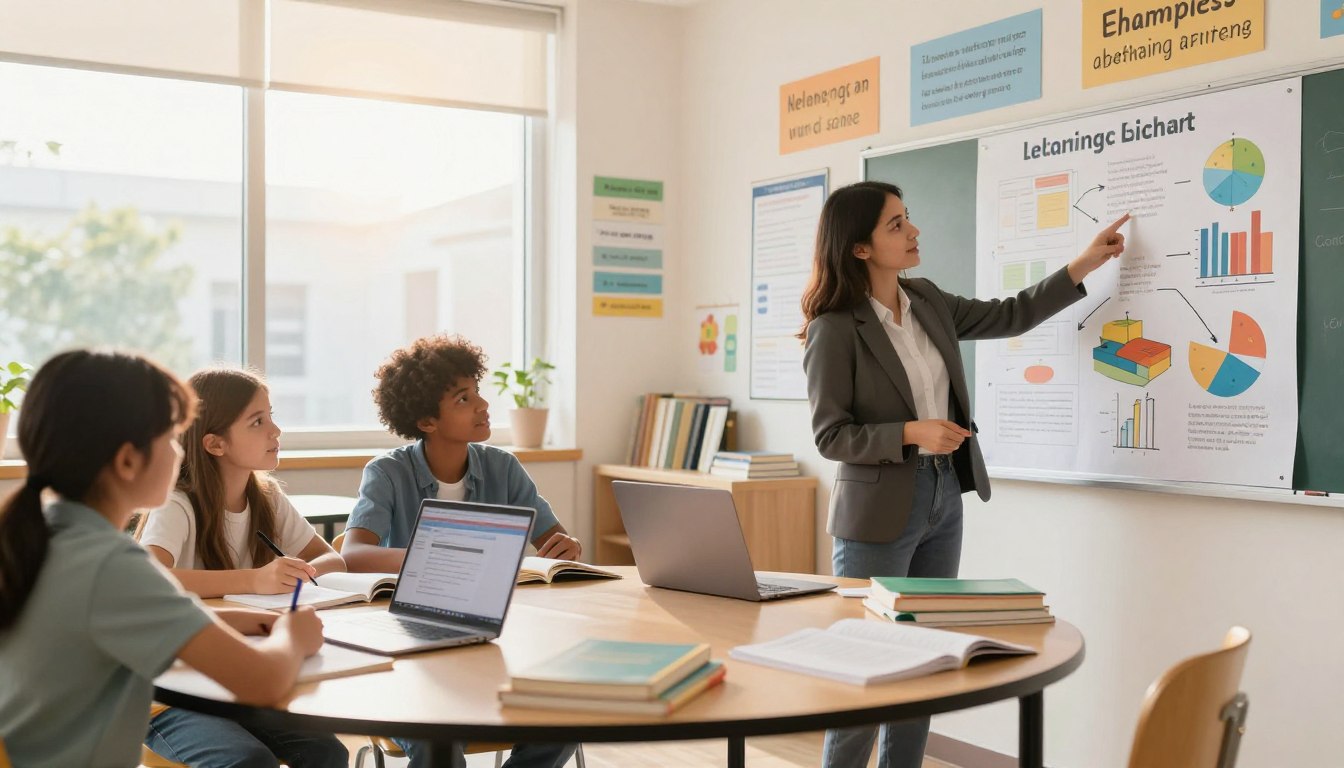
Teachers play an important role in shaping the future of students. They do not simply deliver lessons; they guide, motivate, and encourage learners to become successful individuals.
A good teacher understands students' abilities and learning needs. Teachers use different teaching methods, classroom activities, discussions, and examples to make learning interesting.
They also teach moral values, discipline, teamwork, and respect.
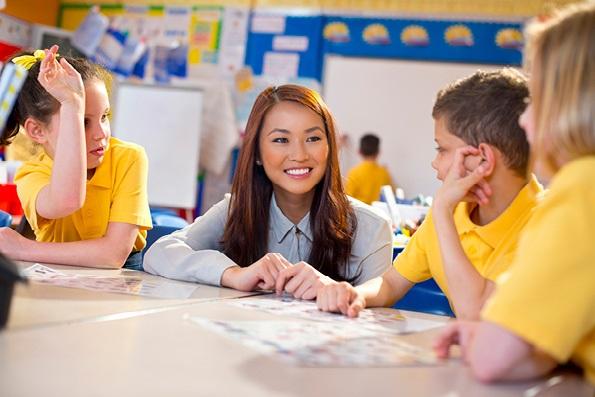
The relationship between teachers and students creates a positive learning environment. When teachers encourage students and appreciate their efforts, learners become more confident and motivated.
5. Importance of Education for Girls
Girls' education is essential for building a strong and developed society. Every girl deserves equal opportunities to receive quality education and achieve her dreams.
Educated girls can become teachers, doctors, engineers, writers, businesswomen, and leaders. Education provides them with knowledge, confidence, and independence.
When girls receive education, they can contribute to their families, communities, and national development.
Families and communities should encourage girls to continue their studies and participate in professional activities. Equal educational opportunities help create a fairer and stronger society.
6. Technology and Modern Education
Technology has changed the traditional education system. Students can now access educational information through computers, smartphones, digital libraries, and online learning platforms.
Online education allows students to attend classes, watch educational videos, complete assignments, and learn new skills from different locations.
Digital tools also help teachers prepare presentations, share learning materials, and communicate with students.
However, technology should be used responsibly. Students should avoid unnecessary screen time and focus on reliable educational resources.
Combining traditional teaching methods with modern technology can make learning more effective and interesting.
7. Challenges in the Education System
Despite the importance of education, many students face difficulties in accessing quality learning opportunities.
Some common educational challenges include:
Poverty and financial difficulties.
Lack of schools in remote areas.
Shortage of qualified teachers.
Limited educational resources.
Poor classroom facilities.
Gender inequality.
Lack of access to digital technology.
These problems can affect students' academic progress and future opportunities.
Governments, educational institutions, teachers, and communities should work together to improve educational facilities and provide equal learning opportunities.
8. Education and National Development
Education is essential for the progress of a country. An educated population contributes to economic growth, scientific development, social awareness, and national stability.
Educated individuals can become skilled professionals who support important sectors such as healthcare, agriculture, engineering, business, and technology.
Education also helps people understand their rights and responsibilities. It encourages tolerance, cooperation, equality, and respect for different opinions.
Countries that invest in quality education can develop a skilled workforce and build a stronger economy.
9. Importance of Self-Education
Learning should not stop after completing school or university. Self-education is the process of gaining knowledge independently through books, online courses, research, and practical experiences.
People can learn new languages, improve communication skills, explore technology, and develop professional abilities without always attending traditional classrooms.
Reading books, watching educational videos, and practising new skills are useful ways to continue learning.
Self-education develops curiosity, independence, and confidence. It also helps individuals remain prepared for changes in the modern world.
10. Education and Moral Values
Education is not only about academic knowledge. It also teaches important moral values that help people become responsible citizens.
Respect, honesty, kindness, patience, cooperation, and responsibility are essential qualities of a good human being.
Schools and families should work together to develop these values in children. Students should learn to respect teachers, help others, follow rules, and contribute positively to society.
A truly educated person uses knowledge in a responsible and beneficial way.
11. How Students Can Become Successful Learners
Students can improve their learning abilities by developing positive study habits and maintaining discipline.
Some useful practices include:
Create a daily study schedule.
Attend classes regularly.
Read books and educational materials.
Ask questions when something is unclear.
Complete assignments on time.
Participate in classroom discussions.
Practise English communication skills.
Learn basic computer skills.
Set realistic academic goals.
Maintain a positive attitude towards learning.
Consistency and hard work are important for achieving educational success.
12. The Future of Education
The future of education will continue to change with technology and new learning methods. Online classrooms, artificial intelligence, digital learning resources, and interactive educational tools are creating new opportunities for students and teachers.
In the future, education will focus not only on academic knowledge but also on creativity, communication, critical thinking, and practical skills.
Students will need to develop the ability to learn independently and adapt to new challenges.
Educational institutions should prepare learners for real-world responsibilities and professional opportunities.
Conclusion
Education is the foundation of personal growth, professional success, and national development. It gives people the knowledge, confidence, and skills needed to build better lives.
Every child deserves access to quality education, regardless of gender, financial background, or geographical location.
Teachers, parents, governments, and communities must work together to improve learning opportunities and encourage lifelong education.
Education opens doors to new opportunities and helps people turn their dreams into reality.
Remember, education is not just preparation for life; it is an important part of life itself.







Comments 0
Sign in to join the conversation.
No comments yet. Be the first to say something.