

Things Your Brain Does Without You Ever Noticing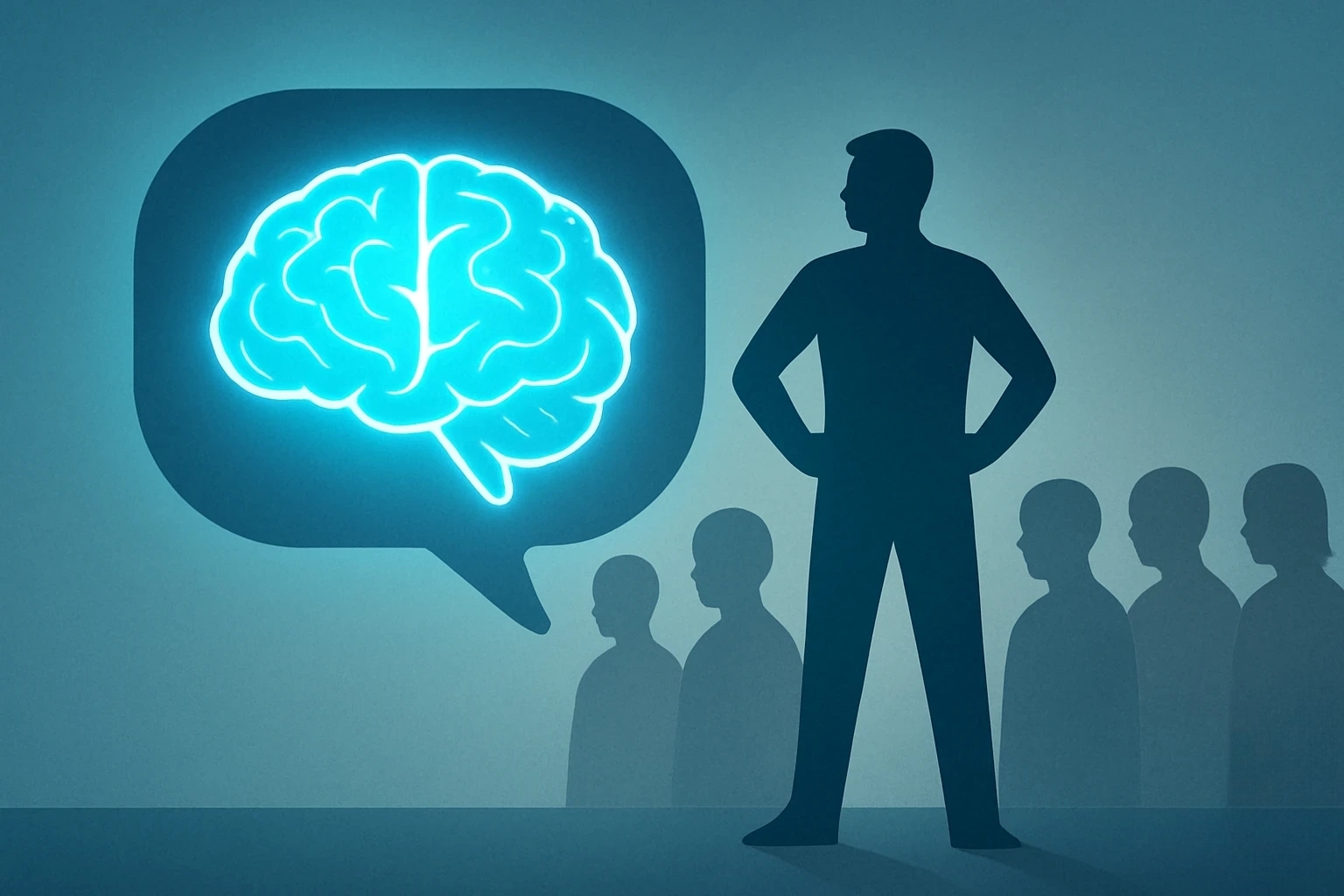
Introduction
Your brain is busy every second of the day, even when you think you’re doing “nothing.” While you focus on work, scrolling your phone, or daydreaming out the window, your brain is quietly running thousands of background processes that keep you alive, safe, and surprisingly smart.
Many of these processes happen so smoothly that you never notice them. They shape your thoughts, decisions, emotions, and even your personality without asking for permission. Understanding what your brain does behind the scenes can help you appreciate how powerful it is and how to work with it instead of against it.
In this long-form guide, you’ll discover the hidden tasks your brain performs every day. From filtering information to predicting the future, these silent processes explain why you feel the way you do, make the choices you make, and sometimes act before you even realize it.
Your Brain as an Invisible Control Center
Your brain is not just a thinking machine. It is a full-time control center that manages your body, interprets the world, and prepares you for what might happen next. Most of its work happens outside your awareness.
How Much of the Brain Works Unconsciously
A huge percentage of brain activity happens below conscious awareness. You are only aware of a tiny fraction of what your brain processes at any given moment.
Your senses alone deliver millions of bits of information every second. Your conscious mind can only handle a few dozen. The rest is filtered, sorted, and processed silently.
This is why you can walk, breathe, and recognize faces without thinking about it. Your brain handles the heavy lifting so your conscious mind can focus on what matters most in the moment.
Why You Are Not Aware of Most Brain Activity
If you were aware of every process happening in your brain, you would be overwhelmed. You would not be able to function.
Your brain evolved to automate repetitive and survival-related tasks. This frees your attention for problem-solving, creativity, and social connection.
In simple terms, your brain hides the boring but essential work from you so you can live your life.
Filtering Information Before You Notice It
Every second, your brain decides what you will notice and what you will ignore. This filtering shapes your reality more than you might realize.
How Your Brain Filters Sensory Input
Your senses collect far more data than you can consciously process. Your brain filters out background noise, repetitive sensations, and irrelevant details.
For example, you usually do not notice the feeling of your clothes on your skin after a few minutes. Your brain decides that information is not important and turns down its volume.
This filtering helps you focus. Without it, the world would feel unbearably loud and chaotic.
The Reticular Activating System and Attention
The reticular activating system is a network in your brain that helps decide what gets your attention. It acts like a spotlight operator for your awareness.
When something is relevant to your goals, emotions, or safety, this system brings it to the front of your mind.
This is why you suddenly notice your name in a crowded room or see your favorite car model everywhere after thinking about buying one. Your brain has tagged that information as important.
Predicting the Future in Real Time
Your brain is constantly predicting what will happen next. These predictions help you move smoothly through the world.
How the Brain Makes Predictions Automatically
Your brain uses past experiences to predict future outcomes. It constantly asks, “What is likely to happen next?”
When you reach for a cup, your brain predicts its weight and adjusts your grip before you touch it.
When you talk to someone, your brain predicts how they might respond based on past conversations.
These predictions happen so fast that they feel like intuition.
Why Prediction Helps You Survive
Prediction allows you to react quickly. You do not need to wait for something to happen to prepare for it.
Your brain prepares your muscles, emotions, and attention in advance. This helps you avoid danger and respond smoothly in social situations.
Even small predictions, like expecting a step on the stairs, prevent accidents and make movement feel effortless.
Making Decisions Before You Feel Them
Many of your decisions are made before you become aware of them. Your conscious mind often takes credit for choices that were already set in motion.
The Role of the Subconscious in Decision-Making
Your subconscious mind processes patterns, emotions, and past experiences quickly.
When you feel drawn to one option over another, that feeling often comes from subconscious processing.
By the time you “decide,” your brain has already weighed the options in the background.
Why You Often Rationalize Choices Afterward
After making a decision, your conscious mind creates reasons to explain it. This is called rationalization.
You may believe you chose something logically, but emotions and habits often played a bigger role.
This does not mean your decisions are bad. It means your brain blends logic and emotion more than you might realize.
Regulating Emotions Without Your Awareness
Your emotional life is shaped by brain processes you do not consciously control.
How the Brain Balances Emotional States
Your brain constantly adjusts your emotional state based on internal signals and external cues.
Hormones, memories, and body sensations influence how you feel, often without you noticing the cause.
If you feel suddenly irritable or calm, your brain may be responding to subtle changes in energy, stress, or environment.
The Brain’s Role in Emotional Habits
Over time, your brain forms emotional habits.
If you often react with anxiety to certain situations, your brain learns that pattern and activates it automatically.
This is why emotional responses can feel automatic. They are learned shortcuts your brain uses to save time and energy.
Keeping You Alive on Autopilot
Some of the most important things your brain does happen without any conscious input from you.
Regulating Breathing and Heart Rate
You do not have to remember to breathe. Your brainstem controls your breathing rhythm and adjusts it based on your needs.
Your heart rate also changes automatically. It speeds up when you move and slows down when you rest.
These processes are finely tuned to keep your body balanced and alive.
Managing Body Temperature and Balance
Your brain regulates body temperature by triggering sweating or shivering.
It also helps you maintain balance and posture without constant attention.
This silent management allows you to focus on your environment instead of your internal systems.
Creating a Sense of Self
Your feeling of being “you” is not as solid as it seems. Your brain constructs your sense of self moment by moment.
How the Brain Builds Your Identity
Your identity is shaped by memories, beliefs, and social feedback.
Your brain integrates these elements into a story about who you are.
This story feels stable, but it is constantly updated as you gain new experiences.
Why Your Self-Image Changes Over Time
As you grow and change, your brain revises your self-image.
New roles, relationships, and challenges reshape how you see yourself.
This process happens gradually, often without you noticing the small shifts.
Filling in Gaps in Your Perception
What you see is not exactly what is out there. Your brain fills in missing information to create a smooth picture of reality.
How Your Brain Completes Visual Information
Your eyes have blind spots, but you do not notice them. Your brain fills in the missing parts of the image.
Your brain also smooths out visual noise and sharpens edges to make the world look clearer.
What you perceive is a constructed version of reality, optimized for usefulness rather than accuracy.
Why You Rarely Notice Visual Gaps
Because your brain fills in gaps so seamlessly, you believe you see everything clearly.
This helps you move through the world with confidence.
However, it also explains why illusions and visual tricks can fool you so easily.
Creating Habits and Routines
Your brain loves habits. They save energy and reduce the need for conscious decision-making.
How Habits Form Without Your Awareness
When you repeat a behavior, your brain strengthens the neural pathways associated with it.
Over time, the behavior becomes automatic.
This is why you can drive a familiar route without remembering each turn.
Why Habits Are Hard to Break
Once a habit is formed, your brain treats it as the default response.
Breaking a habit requires conscious effort because you are overriding an automatic system.
Understanding this can help you be kinder to yourself when change feels hard.
Shaping Your Memory Without You Noticing
Your memories are not exact recordings of the past. Your brain edits and reshapes them.
How Memories Are Reconstructed
Each time you remember something, your brain reconstructs the memory.
Details can change slightly with each recall.
This means your memories are influenced by your current mood and beliefs.
Why Memory Feels Reliable but Isn’t
Memories feel real because your brain presents them as complete experiences.
However, memory is influenced by emotion, expectation, and suggestion.
This is why two people can remember the same event differently.
Influencing Your Social Behavior
Your brain constantly reads social cues and adjusts your behavior without conscious effort.
How You Read Facial Expressions Automatically
Your brain decodes facial expressions in milliseconds.
You sense emotions like happiness, anger, or fear almost instantly.
This helps you respond appropriately in social situations.
Mirroring and Social Connection
Your brain naturally mirrors the body language and tone of people around you.
This creates a sense of connection and trust.
You rarely notice this mirroring, but it plays a big role in building relationships.
Managing Attention and Focus
Your attention is guided by invisible processes that prioritize what matters most in each moment.
Why Your Focus Drifts
Your brain constantly scans for new or important information.
If something seems more relevant or rewarding than your current task, your attention may shift automatically.
This is not a personal failure. It is how your brain is designed to work.
How Your Brain Protects You From Overload
Your brain limits how much you can focus on at once.
By narrowing your attention, it protects you from being overwhelmed.
This selective focus helps you complete tasks more effectively.
Shaping Your Motivation
Your brain quietly influences what you want and what you avoid.
How Reward Systems Guide Your Behavior
Your brain uses reward signals to encourage certain behaviors.
When you experience pleasure or relief, your brain learns that the action was beneficial.
This shapes your future choices without you having to think about it.
Why Some Tasks Feel Easier Than Others
Tasks that your brain associates with reward feel easier to start.
Tasks linked to stress or failure feel heavier, even if they are objectively simple.
This emotional weighting happens below conscious awareness.
Protecting You From Psychological Pain
Your brain uses defense mechanisms to protect your sense of self.
How the Brain Softens Emotional Threats
Your brain may downplay painful information or reinterpret events to protect you emotionally.
This can help you cope with disappointment or embarrassment.
These processes often happen without your conscious input.
The Role of Denial and Minimization
Denial and minimization are ways your brain reduces emotional discomfort.
While these defenses can be helpful in the short term, being aware of them can support personal growth.
Why Understanding These Hidden Processes Matters
Knowing what your brain does behind the scenes can change how you relate to yourself.
Becoming More Self-Aware
When you understand that many reactions are automatic, you can pause before judging yourself.
This awareness creates space for more intentional choices.
You gain more control by recognizing what is happening inside you.
Working With Your Brain Instead of Against It
When you design habits, environments, and routines that support your brain’s natural tendencies, life feels easier.
You can use small changes to guide attention, motivation, and emotion in healthier directions.
This is not about controlling your brain. It is about partnering with it.
Practical Ways to Work With Your Brain
Understanding your brain is useful, but applying that understanding is where change happens.
Use Environment to Guide Behavior
Place reminders, tools, and cues in your environment to support good habits.
Your brain responds strongly to what it sees and feels around it.
Small environmental changes can create big behavioral shifts.
Build Awareness of Automatic Patterns
Notice when your reactions feel automatic.
Pause and ask yourself what triggered them.
This simple practice can help you regain choice in moments that usually feel out of control.
Support Your Brain With Rest and Nutrition
Your brain needs rest, sleep, and nourishment to function well.
When you are tired or hungry, automatic processes become less balanced.
Caring for your body supports your mind in powerful ways.
Conclusion
Your brain is constantly working in the background, shaping your reality without asking for your attention. It filters information, predicts outcomes, regulates emotions, and keeps your body alive on autopilot.
Most of what makes you “you” happens quietly and automatically. While this can feel strange, it is also a gift. These hidden processes allow you to move through life smoothly, adapt to challenges, and connect with others.
When you become aware of how much your brain does without you noticing, you gain compassion for yourself. You realize that many struggles are not personal failures but natural outcomes of how the brain works.
By learning to work with these hidden processes, you can build habits, shape your environment, and guide your attention in ways that support a healthier, more intentional life.

You must be logged in to post a comment.