

Entertainment has always been an integral part of human existence, evolving alongside our societies, cultures, and technologies. From ancient storytelling around campfires to streaming content on demand through the cloud, the ways we entertain ourselves reflect who we are and the tools we use to connect with each other.
This article takes you on a journey through the history of entertainment, highlighting milestones that shaped how humanity experiences joy, leisure, and connection.
1. The Dawn of Entertainment: Storytelling and Music
Campfire Tales
In prehistoric times, storytelling around campfires served as the primary form of entertainment. Early humans used tales to:
- Share knowledge and traditions.
- Explain natural phenomena.
- Create communal bonds.
Primitive Instruments
Music likely began with rhythm—clapping hands, drumming on hollow objects, and mimicking animal sounds. Instruments such as bone flutes and drums emerged, marking music as a universal form of joy and expression.
2. Ancient Civilizations: Theater and Spectacles
Greek and Roman Theater
- In Ancient Greece (circa 5th century BCE), drama flourished with tragedies and comedies performed in amphitheaters.
- Roman culture borrowed from Greece but added grand spectacles like gladiator games and chariot races in the Colosseum.
Cultural Festivals
- Festivals like the Indian Mahabharata recitations and Chinese shadow puppetry combined storytelling, music, and visual art to captivate audiences.
3. The Middle Ages: Art, Fairs, and Folklore
Traveling Performers
Minstrels and troubadours traveled across Europe, performing songs and stories that brought communities together.
Religious Dramas
- Churches staged morality and mystery plays to convey biblical stories in an entertaining format.
- Public fairs featured jesters, acrobats, and puppet shows.
4. The Renaissance: A Cultural Explosion
Theater Renaissance
- William Shakespeare and his contemporaries elevated theater to new heights with complex characters and compelling narratives.
- Opera emerged in Italy, blending music, theater, and art.
Visual Arts
- The Renaissance also saw the rise of patronage for visual arts, with masterpieces by artists like Michelangelo and Leonardo da Vinci becoming spectacles in their own right.
5. The Industrial Revolution: The Birth of Mass Entertainment
Printing Press and Literature
- The printing press revolutionized access to books, newspapers, and serialized fiction.
- Novels became a popular form of storytelling.
Music Halls and Vaudeville
- Urbanization led to the rise of theaters, music halls, and vaudeville shows, providing accessible entertainment to the working class.
6. The 20th Century: Technology Redefines Entertainment
Cinema and Radio
- The invention of the motion picture in the late 19th century gave birth to Hollywood and global cinema.
- Radio became a household staple, bringing music, drama, and news directly into homes.
Television
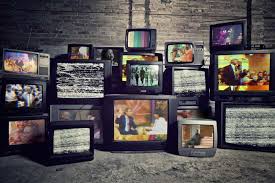
- The mid-20th century saw television emerge as the dominant medium for entertainment, creating shared cultural experiences.
- Popular shows and live broadcasts became major events.
7. The Digital Revolution: Personalized Entertainment
The Internet Era
- The internet democratized access to entertainment, enabling individuals to produce and share content.
- Platforms like YouTube and blogs allowed audiences to consume and interact with creators.
Video Games
- From Pong to virtual reality, video games transformed from niche hobbies to a multibillion-dollar industry.
8. The Streaming Age: Entertainment Without Limits
Cloud-Based Streaming
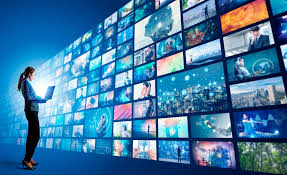
- Platforms like Netflix, Spotify, and YouTube redefined how we consume content, offering vast libraries on-demand.
- Live-streaming services like Twitch and TikTok allow creators to engage audiences in real time.
Globalization of Culture
- Streaming platforms have made global content accessible, popularizing K-dramas, anime, and Bollywood among diverse audiences.
9. The Future of Entertainment
Immersive Experiences
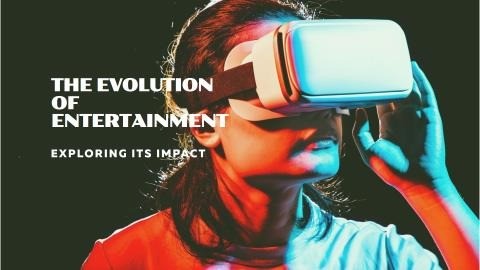
- Virtual and augmented reality promise fully immersive storytelling and interactive worlds.
- AI-driven content creation could personalize entertainment for each individual.
The Metaverse
- The metaverse is poised to blend gaming, social interaction, and commerce into a unified entertainment ecosystem.
Conclusion
From the flicker of campfire flames to the infinite possibilities of cloud-based streaming, the evolution of entertainment mirrors humanity’s journey through time. Each innovation reflects our desire to connect, express, and share experiences. As technology continues to advance, the next chapters of entertainment promise to be as transformative and exciting as those that came before.

You must be logged in to post a comment.