

Everyday Objects With Dark, Unexpected Origins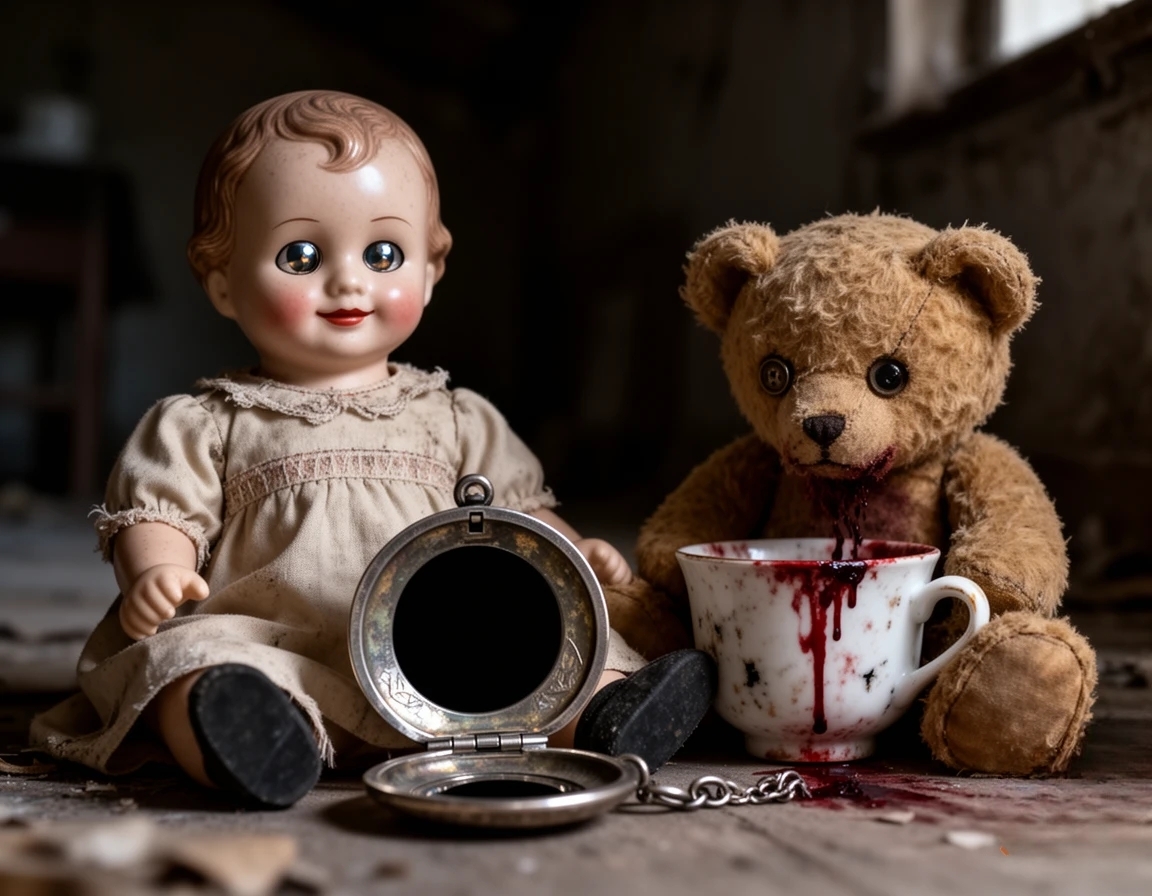
We use everyday objects without thinking twice about where they came from or why they exist. A toothbrush is just a toothbrush. A coffee break is just a coffee break. A necktie is just part of getting dressed for work.
But history has a darker sense of humor. Many items we consider harmless or even comforting were born from war, disease, punishment, exploitation, or tragedy. Their original purposes were often grim, practical, and sometimes downright disturbing. Over time, these objects were softened by culture, commercialized, and normalized into daily life.
This article explores the hidden, often unsettling origins of everyday objects. Not to ruin them for you—okay, maybe just a little—but to reveal how deeply history shapes the modern world in ways we rarely notice.
The Hidden Histories Behind Everyday Objects
Every object carries a story. Some stories are inspiring. Others are messy, violent, or uncomfortable. When tools and inventions first appear, they are often created to solve urgent problems: survival, control, warfare, punishment, or disease prevention.
As societies evolve, the original context fades. What remains is the object itself—cleaned up, repackaged, and stripped of its darker past.
Understanding these origins doesn’t make the objects evil. It simply shows how much of modern life grew out of human suffering, fear, and desperation.
Household Items0 With Disturbing Origins
The Fork: From Sinful Tool to Dining Essential
Today, the fork is one of the most basic dining utensils in the world. But when it was introduced to Western Europe in the Middle Ages, it was considered immoral.
Why the Fork Was Once “Evil”
In 11th-century Italy, forks were associated with decadence and excessive luxury. Religious leaders argued that using a metal tool to eat food that God provided by hand was an insult to divine creation. Some even claimed the fork resembled the devil’s trident.
People who used forks were accused of vanity and sinfulness. For centuries, the fork was rejected in much of Europe before slowly becoming acceptable.
How It Became Normal
As hygiene standards improved and social customs changed, forks became symbols of refinement instead of corruption. What was once seen as sinful is now a basic requirement at the dinner table.
The Toaster: Born From Fire Hazards and Burned Homes
The toaster feels harmless. It sits quietly on your kitchen counter, waiting to warm bread. Early versions, however, were dangerously close to being household arson devices.
Early Toasters Were Fire Traps
The first electric toasters in the early 1900s had exposed heating elements. Bread could catch fire easily, and many homes experienced small kitchen fires because of faulty wiring and overheating components.
Electricity itself was still new and poorly regulated. Using a toaster was a genuine safety risk.
The Legacy of Trial and Error
Modern safety standards exist because early consumers were essentially test subjects. Burned kitchens and electrical accidents pushed manufacturers to develop insulation, automatic shut-off systems, and safer materials.
The Mattress: Once a Breeding Ground for Disease
Your bed is supposed to be the safest place in your home. Historically, it was often one of the dirtiest.
Mattresses Filled With Filth
Before modern sanitation, mattresses were stuffed with straw, hay, feathers, or horsehair. These materials absorbed sweat, blood, and bodily fluids. They also became perfect homes for lice, fleas, bedbugs, and bacteria.
Poor families reused mattress stuffing for years. Some mattresses were passed down through generations without proper cleaning.
How Modern Beds Were Born
Public health movements in the 19th and 20th centuries highlighted how filthy sleeping conditions contributed to disease. This led to washable mattresses, antimicrobial fabrics, and modern hygiene standards that transformed bedrooms into safer spaces.
Fashion Items With Grim Backstories
High Heels: Designed for Violence and War
High heels were not invented for fashion. They were originally tools of warfare.
High Heels as Military Gear
Persian cavalry soldiers wore heels to help lock their feet into stirrups while standing and shooting arrows. The raised heel gave stability during combat.
When European nobles saw this, they adopted heels as a symbol of power, masculinity, and dominance. High heels were worn by men long before they became associated with women’s fashion.
The Shift to Fashion
Over time, heels were sexualized and feminized. What began as a functional war tool became a symbol of elegance, status, and beauty—while its violent origins faded from memory.
Neckties: Inspired by Battlefield Uniforms
The modern necktie traces its roots back to war.
The Croat Soldiers of the 1600s
During the Thirty Years’ War, Croatian mercenaries wore cloth scarves around their necks as part of their uniform. French elites admired the look and adopted it as a fashion statement.
The word “cravat” comes from “Croat,” reflecting its military origins.
From War Symbol to Office Wear
Over time, the necktie became a symbol of professionalism, discipline, and conformity. A piece of battlefield identity was transformed into corporate culture.
Perfume: Designed to Mask the Smell of Death
Perfume wasn’t originally about smelling nice. It was about surviving filth.
Life Smelled Terrible
In pre-modern cities, people rarely bathed. Sewage ran through streets. Bodies were buried close to living spaces. The smell of decay was constant.
Perfume was used to mask the stench of unwashed bodies and rotting environments. It was also believed that strong scents could ward off disease.
From Survival Tool to Luxury
As hygiene improved, perfume shifted from necessity to indulgence. Today, it’s marketed as romance and elegance, but its origins are rooted in rot and decay.
Medical Tools That Came From Suffering
The Stethoscope: Created to Avoid Physical Contact
The stethoscope is a symbol of care. Its invention was driven by discomfort and social taboo.
The Problem of Listening to Women’s Chests
In the early 1800s, doctors listened to patients’ hearts by placing their ears directly on the chest. This became awkward, especially when examining women.
A French doctor rolled up paper into a tube to avoid physical contact. This crude device became the first stethoscope.
The Emotional Distance of Medicine
The stethoscope reflects how medicine has long balanced care with emotional and physical distance. A tool of healing was born from social discomfort.
The Wheelchair: Developed for War Injuries
Wheelchairs are tools of mobility and independence. Their widespread development came from mass injury.
War Created Demand
Large-scale wars left countless soldiers permanently disabled. Early wheelchairs were built to transport wounded veterans who could no longer walk.
They were heavy, uncomfortable, and often designed for institutional settings, not personal freedom.
From Institutional Tool to Empowerment
Modern wheelchairs emphasize independence, accessibility, and dignity. But their roots lie in a history of violent conflict and lifelong injuries.
Toys and Entertainment With Dark Pasts
Teddy Bears: Born From a Killing
The teddy bear is one of the most comforting childhood toys. Its name comes from a disturbing hunting story.
The Roosevelt Incident
In 1902, U.S. President Theodore Roosevelt refused to shoot a captured bear during a hunting trip. The incident was turned into a political cartoon.
Toy makers created stuffed bears in his honor, calling them “Teddy’s bears.”
Cute Mascot, Violent Roots
The teddy bear’s origin is tied to animal cruelty and hunting culture. What we see as a symbol of safety and comfort began as a novelty inspired by a near-execution.
Board Games: Often Based on Moral Punishment
Many early board games were designed to teach moral lessons through punishment.
Games That Taught Fear
19th-century board games often punished players for “bad behavior” like drinking, laziness, or disobedience. Losing meant being sent backward, trapped, or forced to start over.
The fun was secondary to moral control.
From Moral Tool to Entertainment
Modern games prioritize enjoyment, but the genre grew out of social discipline and behavior correction rather than pure fun.
Workplace Tools With Brutal Histories
The Office Chair: Designed for Control and Endurance
Office chairs seem ergonomic and harmless. Early versions were designed to keep workers seated for long, exhausting hours.
Productivity Over Comfort
During the Industrial Revolution, seating was introduced not for comfort but to keep workers productive for longer periods. Chairs were rigid and uncomfortable, designed to prevent rest.
The goal was efficiency, not health.
How Ergonomics Emerged
Modern ergonomic chairs are a reaction to decades of worker exploitation. Comfort became necessary only after widespread health problems emerged.
Time Clocks: Tools of Surveillance
Clocking in and out feels normal today. Originally, it was a method of control.
Monitoring the Workforce
Factories introduced time clocks to track workers and prevent theft of time. Workers were fined or punished for being late by minutes.
The system treated human time as a resource to be extracted and monitored.
The Culture of Constant Measurement
Modern productivity tracking tools descend from this mindset. Surveillance at work didn’t start with software. It began with mechanical time clocks.
Food and Drink With Sinister Backstories
Sugar: Built on Enslavement
Sugar sweetens modern life. Its history is soaked in blood.
Plantations and Slavery
The global sugar trade was built on enslaved labor in the Caribbean and the Americas. Millions of people were forced into brutal plantation work under deadly conditions.
Sugar fueled colonial wealth and industrial growth at an unimaginable human cost.
The Bitter Truth Behind Sweetness
Every spoonful of sugar today is tied to a global system created through exploitation. While production has changed, the legacy remains embedded in history.
Coffee: Fueled by Colonial Control
Coffee culture feels cozy and social. Its global spread came through imperial power.
Coffee and Empire
European powers established coffee plantations in colonized regions, exploiting local labor and land. Indigenous communities were often displaced to make room for profitable crops.
From Colonial Commodity to Daily Ritual
Your morning coffee is the result of centuries of forced labor systems, economic domination, and environmental exploitation.
Personal Care Items With Dark Origins
Soap: Developed to Control Disease and Poverty
Soap is associated with cleanliness and care. Its widespread use was originally about controlling the poor.
Hygiene as Social Control
In the 19th century, soap campaigns targeted working-class communities, blaming disease outbreaks on “dirty lifestyles” rather than poor living conditions.
Soap became a symbol of moral purity, not just cleanliness.
The Moral Judgment of Cleanliness
Even today, cleanliness is tied to social worth. This idea has roots in classism and public health campaigns that shamed the poor.
Toothbrushes: Promoted Through Military Discipline
Brushing your teeth feels personal. Its normalization came from military control.
The Army and Oral Hygiene
Before the 20th century, many people did not brush daily. Armies required soldiers to clean their teeth to maintain health and discipline.
After soldiers returned home, the habit spread into civilian life.
Hygiene as Obedience
The toothbrush became a tool of routine and discipline long before it became a personal wellness item.
Why Dark Origins Fade From Memory
How Marketing Softens History
Companies rebrand objects to feel safe, comforting, or luxurious. Dark origins don’t sell well. Over time, stories are rewritten to focus on convenience and pleasure.
Cultural Amnesia and Convenience
We prefer not to think about uncomfortable truths. Everyday objects are easier to enjoy when detached from their origins. Convenience encourages forgetting.
The Human Pattern of Normalization
What begins in crisis often becomes normal through repetition. Violence, exploitation, and suffering fade into the background as tools become ordinary.
What These Dark Origins Teach Us
Objects Are Not Neutral
Every object reflects the values, fears, and power structures of the society that created it. Convenience often comes from conflict.
History Shapes Daily Life
You don’t just live in the present. You live inside the long shadow of the past. Every fork, tie, chair, and cup of coffee carries echoes of earlier worlds.
Awareness Creates Better Choices
Knowing these origins doesn’t mean rejecting modern life. It means engaging with it more thoughtfully. Awareness can inspire more ethical consumption, curiosity, and empathy.
Final Thoughts: The Strange Truth About Ordinary Things
The objects around you are quiet storytellers. They whisper about wars, disease, exploitation, and survival. What feels simple today was often born from human struggle yesterday.
There is something humbling about realizing that comfort is built on centuries of trial, error, and suffering. It doesn’t mean you can’t enjoy everyday objects. It means you can appreciate them with a deeper sense of context.
So the next time you tie a necktie, sip your coffee, or lie down on your mattress, remember: ordinary things are rarely ordinary.

You must be logged in to post a comment.