

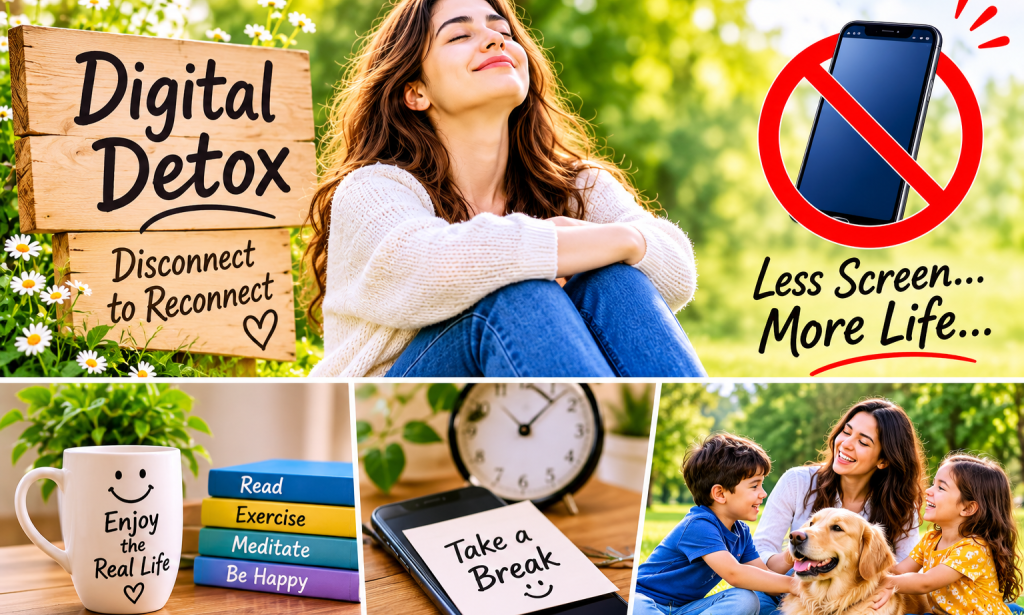
The Digital Detox Revolution: Simple Ways to Reduce Screen Time and Reconnect with Real Life
Introduction
Smartphones have become an essential part of modern life. We use them to communicate, work, study, shop, watch videos, read news, and entertain ourselves. Although technology makes everyday activities easier, spending too much time on digital devices can gradually affect our routines, productivity, sleep, and personal relationships.
Many people now feel overwhelmed by constant notifications, social media updates, and the habit of checking their phones every few minutes. This has encouraged a growing interest in digital detoxing, a lifestyle practice that helps people develop healthier relationships with technology.
A digital detox does not mean completely abandoning smartphones or the internet. Instead, it means using technology more consciously and creating space for activities that bring genuine happiness, peace, and balance.
What Is a Digital Detox?
A digital detox is a planned period during which a person reduces their use of smartphones, computers, social media, and other digital devices. The purpose is to take a break from unnecessary screen time and focus more on real-world experiences.
Some people choose to stay away from social media for a weekend, while others establish daily screen-free hours. Even small changes, such as avoiding phones during meals or before bedtime, can help create a healthier routine.
Digital detoxing is not about rejecting technology. It is about learning to control how we use it instead of allowing digital habits to control our time and attention.
Why Are People Choosing to Spend Less Time on Their Phones?
1. Improving Mental Well-Being
Social media often exposes people to endless news, comparisons, opinions, and information. Constantly scrolling through content can leave some individuals feeling mentally exhausted or distracted.
Taking breaks from digital platforms can create more opportunities for relaxation, reflection, and emotional balance. Instead of comparing their lives with carefully edited online images, people can focus on their own goals, achievements, and personal happiness.
2. Getting Better Sleep
Using smartphones late at night has become a common habit. People frequently watch videos, scroll through social media, or reply to messages when they should be preparing for sleep.
Bright screens and stimulating content may interfere with a relaxing bedtime routine. Keeping devices away from the bed and reducing screen use before sleeping can help people create a calmer environment and improve their sleep habits.
3. Strengthening Relationships
Technology helps us stay connected with people across the world, but excessive phone use can sometimes reduce meaningful conversations with people who are physically present.
Family members may sit together while everyone looks at a different screen. Friends may spend time together without having meaningful conversations.
Creating phone-free moments during meals, gatherings, and family activities encourages better communication and stronger personal connections.
The Benefits of a Digital Detox
Reducing unnecessary screen time can help people make better use of their daily lives. Some possible benefits include:
Better concentration: Fewer interruptions may make it easier to focus on work, learning, and important tasks.
More time for hobbies: Reading, gardening, cooking, painting, and exercising can become enjoyable parts of everyday life.
Improved daily routines: Less scrolling can create time for healthy habits and personal goals.
Reduced digital distractions: Managing notifications and online activities can help people feel less overwhelmed.
Stronger relationships: Spending quality time with family and friends without constant phone interruptions can improve communication.
The benefits may differ from person to person, but the goal is to create a balanced lifestyle that supports both digital convenience and real-world enjoyment.
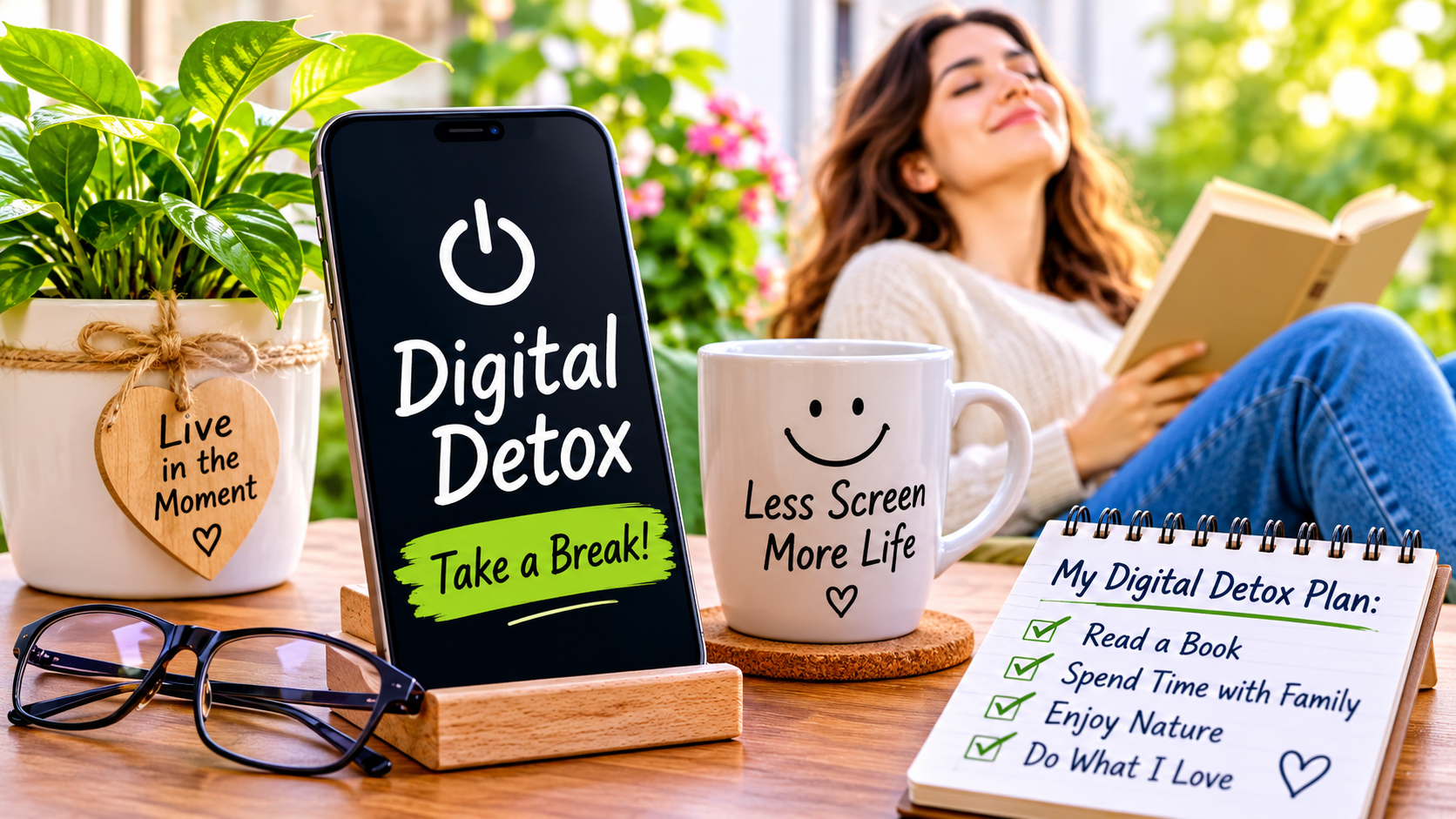
Simple Ways to Start a Digital Detox
1. Track Your Screen Time
Start by checking how much time you spend on your smartphone each day. Most modern phones provide screen-time reports that show app usage and daily activity.
Understanding your habits is the first step toward making meaningful changes.
2. Turn Off Unnecessary Notifications
Not every notification deserves immediate attention. Disable alerts from apps that are not important, especially social media, shopping, and entertainment platforms.
This simple change can reduce interruptions throughout the day.
3. Create Phone-Free Zones
Choose certain places where smartphones are not regularly used. Your dining table, bedroom, or family sitting area can become phone-free spaces.
These boundaries encourage healthier habits and help people enjoy their surroundings.
4. Replace Scrolling with Meaningful Activities
Reducing screen time becomes easier when you have something enjoyable to do instead. Read a book, take a walk, prepare a new recipe, exercise, spend time with children, or learn a new skill.
The idea is to replace unnecessary digital habits with activities that make you feel productive and relaxed.
5. Set a Social Media Schedule
Instead of opening social media throughout the day, choose specific times to check your accounts. For example, you might check messages in the morning and evening rather than continuously.
A simple schedule can help prevent social media from taking over your daily routine.
6. Try a Digital Detox Day
If possible, dedicate a few hours or one day each week to reducing unnecessary phone use. You can still use your phone for emergencies or essential tasks.
Spend the extra time outdoors, with friends, or doing something creative. A short break may help you notice how often you reach for your phone automatically.
How to Maintain a Healthy Digital Balance
A digital detox works best when it becomes part of a sustainable lifestyle rather than a temporary challenge.
You do not need to follow strict rules or stop using technology completely. Start with realistic goals, make gradual changes, and allow yourself flexibility.
Technology is useful for education, communication, work, and creativity. The key is to use it intentionally. When you open an app, ask yourself whether you have a specific purpose or are simply looking for something to occupy your time.
Developing this awareness can help you make better choices and protect time for activities that matter.
Conclusion
The digital detox revolution is a reminder that our lives are bigger than the screens we use every day. Smartphones and digital platforms offer many valuable opportunities, but maintaining balance is equally important.
By reducing unnecessary screen time, creating phone-free spaces, improving daily routines, and reconnecting with hobbies and loved ones, we can build a healthier relationship with technology.
A digital detox does not require dramatic changes. Sometimes, putting your phone aside for a few minutes, enjoying a peaceful walk, or having an uninterrupted conversation is enough to make your day feel more meaningful.
Technology should support our lives, not replace the experiences that make life beautiful. Disconnecting from the screen occasionally may be one of the simplest ways to reconnect with ourselves and the world around us.







Comments 0
Sign in to join the conversation.
No comments yet. Be the first to say something.