

How AI Is Transforming Women's Beauty Routines in 2026: Smart Skincare, Makeup and Personalized Beauty
Introduction
The beauty industry is entering an exciting new era where technology and personal care are becoming increasingly connected. Artificial intelligence (AI) is changing how women explore skincare, choose makeup, discover hairstyles, and build everyday beauty routines. What once required hours of research, product testing, and professional consultations can now be explored with the help of smart digital tools.
From AI-powered skin analysis to virtual makeup try-ons and personalized beauty recommendations, technology is making beauty experiences more interactive and convenient. Women can explore different looks, learn about skincare ingredients, and discover products that may better suit their individual preferences.
But AI beauty is not only about filters or digital transformations. It is also about convenience, creativity, education, and making beauty routines easier to understand.
In this article, we explore how artificial intelligence is transforming women's beauty routines in 2026 and how these technologies may help women make more informed beauty choices.
1. What Is AI Beauty iiiiiiiiiiTechnology and How Does It Work?
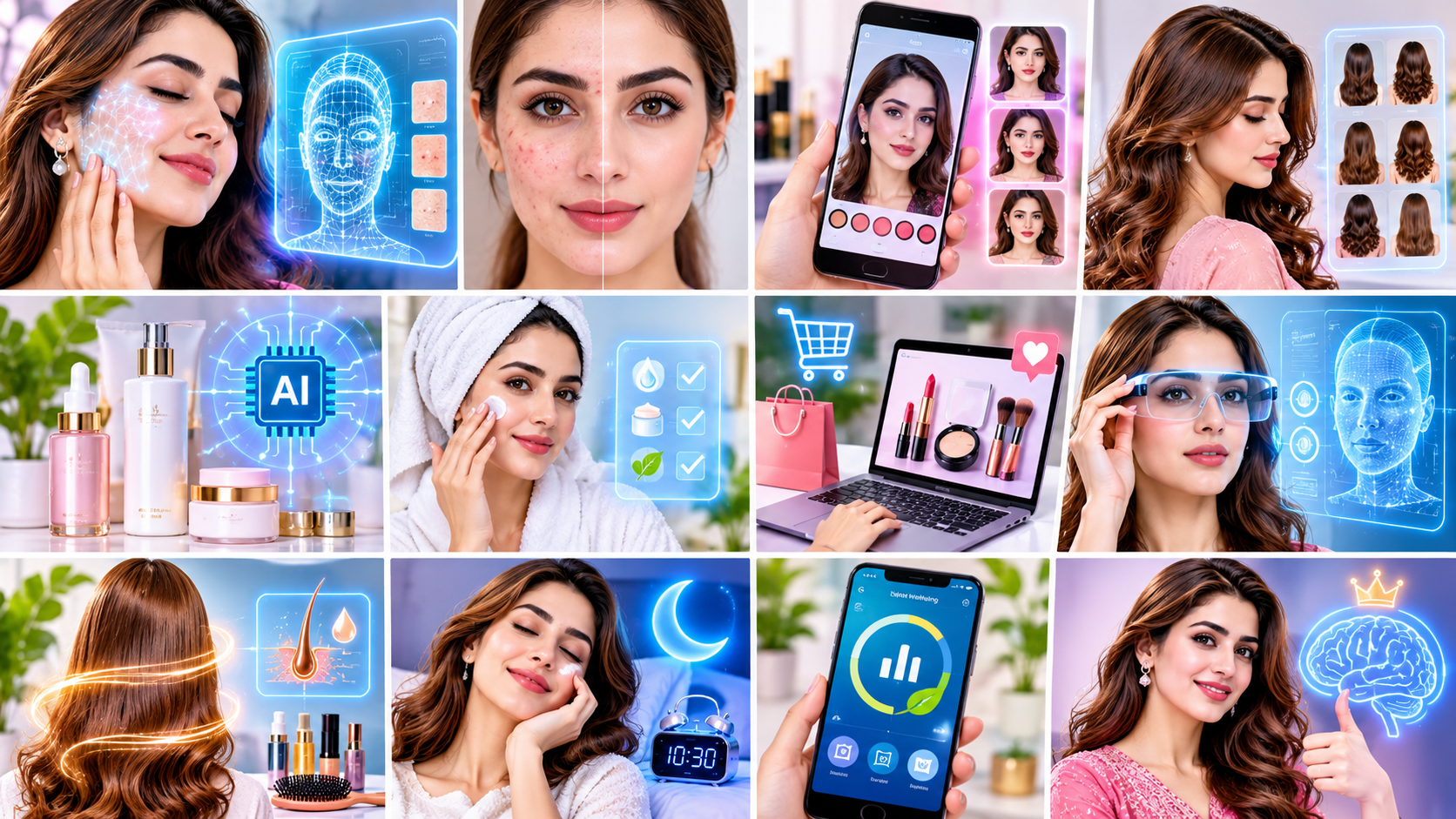
AI beauty technology uses artificial intelligence, computer vision, and data analysis to offer beauty-related experiences and recommendations.
Some applications can analyze images, recognize facial features, simulate makeup, or help users explore skincare and beauty products. Other tools provide recommendations based on preferences, questionnaires, or information users enter.
AI beauty technology can be found in mobile apps, beauty websites, online shopping platforms, and smart beauty devices.
Instead of relying only on traditional product browsing, users can interact with digital beauty tools to explore different options.
2. How AI Is Changing Personalized Skincare Routines
Skincare is one of the areas where artificial intelligence is becoming increasingly popular.
Some AI-powered applications allow users to upload a facial photograph or answer questions about their skincare concerns. Based on the information provided, these tools may suggest skincare routines, ingredients, or products to explore.
For example, a user interested in dryness may receive suggestions about moisturizers and hydration-focused ingredients, while someone concerned about uneven skin tone may be directed toward ingredients commonly used in brightening skincare products.
However, AI skincare recommendations are not medical diagnoses. Lighting, camera quality, and image processing can influence results, and skin conditions should be evaluated by qualified healthcare professionals.
3. Can AI Help You Understand Your Skin Type?
Understanding your skin can help you choose a more appropriate skincare routine. AI-powered skin analysis tools are designed to make this process easier for users.
Some applications examine photographs and attempt to identify visible characteristics such as:
Visible pores
Dry-looking areas
Uneven skin tone
Fine lines
Visible redness
Oiliness-related appearance
These tools may provide educational information and product suggestions, but their results are not always accurate.
Skin can change because of weather, hormones, lifestyle, and other factors. AI analysis should therefore be treated as a starting point rather than a definitive assessment of your skin.
4. AI-Powered Makeup: Try Products Before Buying
Virtual makeup technology is one of the most exciting developments in the beauty industry.
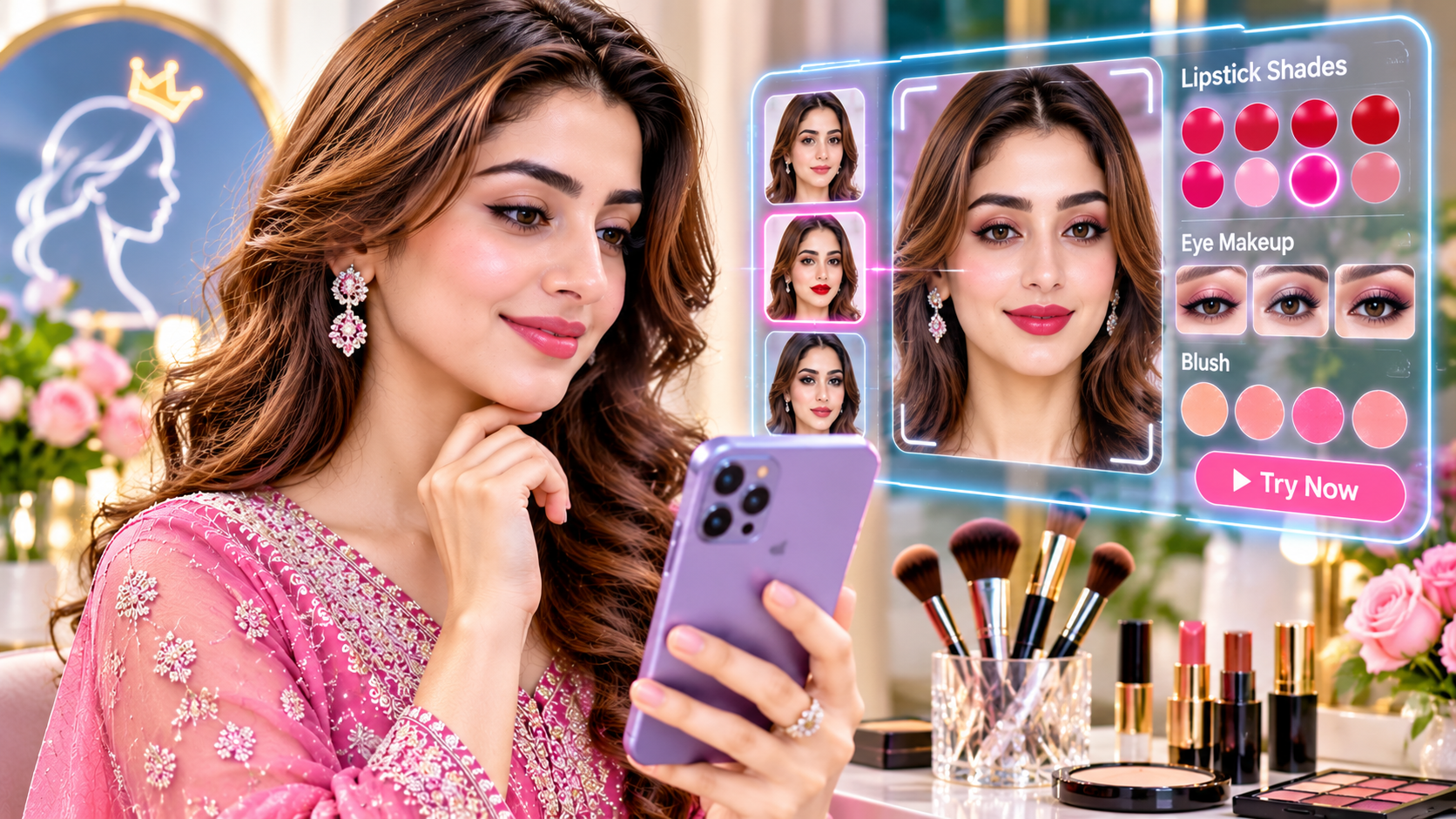
AI and augmented reality tools allow users to virtually try lipstick shades, foundation colors, eyeshadow, blush, and other makeup products using a smartphone camera.
This technology can help users experiment with different looks without physically applying products.
For example, someone shopping online can explore several lipstick shades or compare makeup styles before making a purchase.
Virtual try-on tools may also make online beauty shopping more interactive and enjoyable.
Although virtual color previews can be helpful, actual product shades may look different depending on lighting, screen settings, and skin undertones.
5. How AI I uses Transforming Haircare and Hair Styling
Artificial intelligence is also influencing haircare and hairstyling experiences.
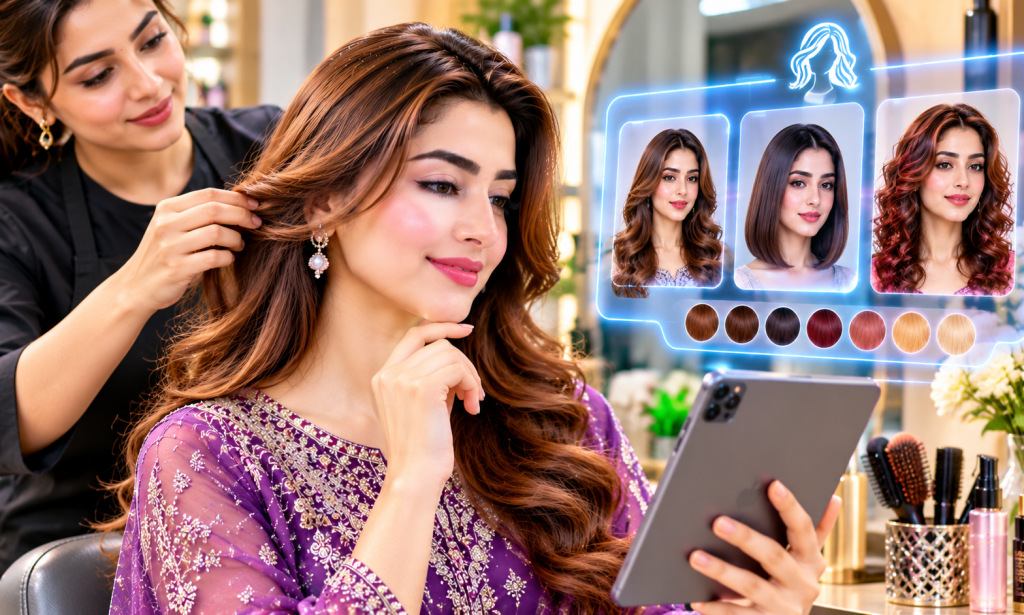
Some digital tools allow users to preview hairstyles, hair colors, lengths, and styling options using photographs.
Women who are considering a new haircut or hair color can experiment digitally before visiting a salon.
AI-powered tools may also help users explore haircare products and styling ideas based on their preferences.
These experiences can provide inspiration, but hair texture, density, condition, and professional advice remain important when choosing a hairstyle or treatment.

6. Can AI Help Women Choose the Right Beauty Products?
Choosing beauty products can sometimes feel overwhelming because there are so many options available.
AI-powered recommendation systems can help users explore products based on their preferences, budget, concerns, and previously selected information.
Some digital beauty platforms may recommend:
Skincare products
Makeup shades
Haircare products
Beauty accessories
Personalized routines
These recommendations can save time when exploring products online.
However, recommendations may also be influenced by commercial partnerships, product availability, and the information users provide. It is always a good idea to read ingredient lists, reviews, and product information before purchasing.
7. Smart Beauty Apps Every Woman Should Know About
Several beauty platforms are incorporating AI-powered features into their digital experiences.
Examples include:
YouCam Makeup for virtual makeup experiences
L'Oréal's ModiFace technology for virtual beauty try-ons
Beauty-related AI skin analysis features offered through various skincare platforms
Virtual hairstyle and hair-color preview tools available through beauty apps
Features, availability, and pricing can vary by app, device, and region.
These platforms can help users explore makeup, hairstyles, and beauty products in a more interactive way.
8. How AI Is Making Beauty Shopping More Personalized
Online beauty shopping is becoming more personalized with the help of artificial intelligence.
Instead of browsing hundreds of products, users may receive recommendations based on their preferences, selected skin concerns, makeup choices, or previous interactions with a shopping platform.
Virtual product previews, personalized suggestions, and interactive beauty experiences may help shoppers discover products they would not have considered otherwise.
AI can also make product discovery more conguarantee that a product will suit every individual. Checking product ingredients, reviews, and return policies remains important.
9. The Benefits of AI in Everyday Beauty Routines
AI beauty technology offers several potential benefits.
Saves Time
Digital beauty tools can help users explore products and styles without spending hours searching through different websites.
Encourages Creativity
Virtual makeup and hairstyle tools allow users to experiment with looks they may not have tried in real life.
Makes Beauty Information More Accessible
AI-powered applications can help users understand skincare ingredients, beauty routines, and product categories.
Supports Personalized Experiences
Some tools offer recommendations based on user preferences and selected concerns.
Improves Online Shopping Experiences
Virtual try-ons can help users explore makeup and beauty products before making a purchase.
10. Are There Any Risks of Using AI Beauty Tools?
Although AI beauty technology offers convenience, users should be aware of potential limitations.
Privacy Concerns
Some applications request facial photographs or personal information. Users should review privacy policies and understand how their images and data may be stored or used.
Inaccurate Skin Analysis
AI tools may misinterpret skin characteristics because of lighting, image quality, filters, or limitations in their algorithms.
Unrealistic Beauty Standards
Some AI-powered filters may create unrealistic facial features or skin appearances, potentially encouraging unhealthy comparisons.
Product Recommendations Are Not Guarantees
An AI recommendation does not guarantee that a skincare or makeup product will be suitable for your skin.
Using AI responsibly means treating it as a helpful tool rather than relying on it for every beauty decision.
11. 10 Smart Ways Women Can Use AI for Beauty in 2026
Here are ten practical ways to explore AI beauty technology:
Explore virtual makeup try-on tools before purchasing makeup.
Use hairstyle preview apps to experiment with different haircuts.
Learn about skincare ingredients using educational AI tools.
Create a simple skincare routine based on your preferences.
Compare beauty products before purchasing.
Explore different makeup styles for special occasions.
Discover beauty trends and styling inspiration.
Use AI tools to organize your beauty products and routines.
Explore personalized beauty recommendations while checking product ingr
12. The Future of AI and Women's Beauty
The future of AI beauty technology may include more personalized skincare experiences, improved virtual makeup previews, smart beauty devices, and advanced digital product recommendations.
As technology evolves, beauty brands may develop more interactive experiences that combine AI, augmented reality, and personalized shopping.
However, technology should not replace individual preferences, professional advice, or the confidence women have in their natural appearance.
The most meaningful role
Frequently Asked Questions
Can AI really help with skincare?
AI tools can offer educational information and skincare suggestions based on photographs mj user-provided information. However, they cannot reliably diagnose skin conditions.
Is AI makeup try-on accurate?
Virtual makeup try-on tools can provide useful previews, but the appearance of actual products may differ because of lighting, camera quality, and screen settings.
Are AI beauty apps free?
Some beauty applications offer free features, while others may require subscriptions, paid services, or in-app purchases.
Can AI recommend makeup according to skin tone?
Some AI-powered tools attempt to recommend makeup shades based on photographs or user information. Results may vary, so testing products whenever possible remains helpful.
Is AI beauty technology safe?
AI beauty tools can be useful, but users should review privacy policies, avoid sharing unnecessary personal images, and understand that digital recommendations may not always be accurate.
Conclusion
Artificial intelligence is transforming the beauty industry by making skincare exploration, virtual makeup, hairstyle previews, and product discovery more interactive.
In 2026, AI beauty tools offer women new ways to experiment with personal style, learn about skincare, and explore beauty products. These technologies can save time and encourage creativity, but they should be used though






Comments 0
Sign in to join the conversation.
No comments yet. Be the first to say something.