

Mehndi Designs 2026: Latest Trends and Beautiful Patterns
Mehndi remains a beloved art form for celebrations across South Asian cultures. This ancient form of body art has evolved significantly over the years, and 2026 brings exciting new trends that blend traditional craftsmanship with modern aesthetics. Whether you're preparing for a wedding, festival, or casual gathering, mehndi designs continue to be a symbol of beauty, celebration, and cultural pride. Explore the latest mehndi design trends and styles for 2026 to find the perfect pattern that matches your personality and occasion.
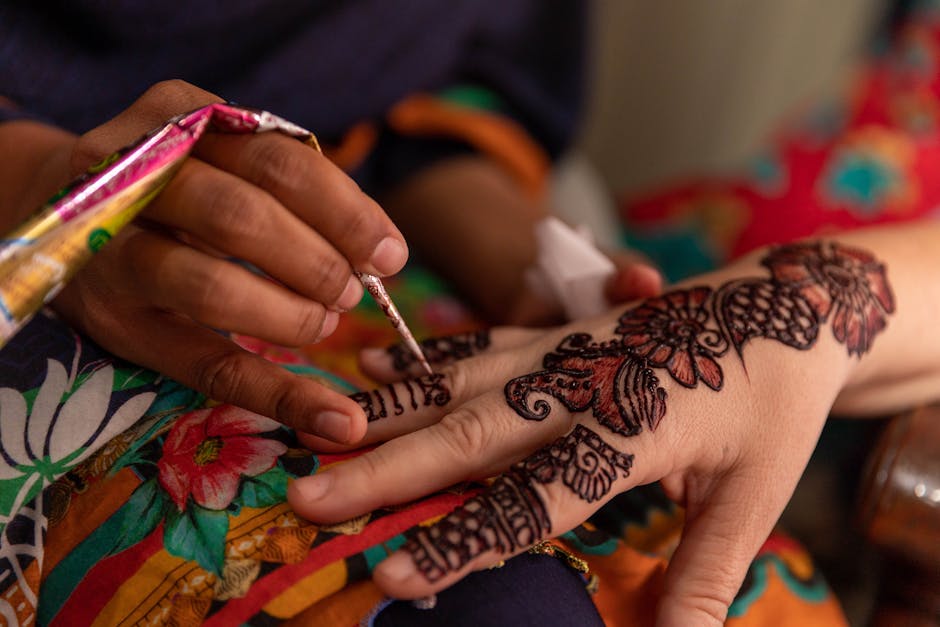
Trending Mehndi Styles 2026
Minimalist Mehndi
Simple, elegant designs with clean lines and negative space are gaining tremendous popularity among modern women. This style emphasizes quality over quantity, featuring delicate patterns that showcase the natural beauty of the hands. Minimalist mehndi is perfect for contemporary aesthetics and professional settings where you want to maintain sophistication without overwhelming patterns. The beauty of minimalist designs lies in their versatility—they look elegant on any skin tone and can be customized to match various occasions. Many modern brides are opting for minimalist mehndi designs as they photograph beautifully and create a timeless appeal.
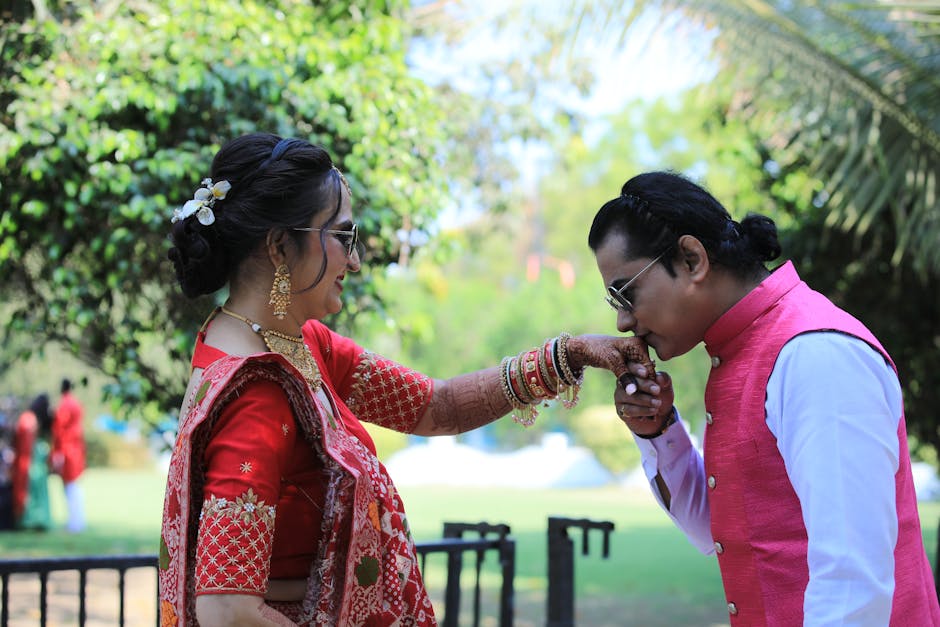
Indo-Arabic Fusion
One of the most captivating trends of 2026 is the Indo-Arabic fusion style that combines bold Arabic patterns with intricate Indian motifs for truly unique designs. Arabic mehndi is known for its flowing curves, geometric shapes, and bold lines, while Indian designs emphasize detailed florals and intricate detailing. When these two styles merge, they create a harmonious blend that celebrates both cultural heritages. This fusion style is particularly popular for wedding mehndi, as it allows for maximum coverage while maintaining an elegant appearance. Artists are increasingly experimenting with combining these styles to create personalized designs that tell individual stories.
Mandala Mehndi
Circular geometric patterns creating stunning centerpieces on palms have become increasingly popular in recent years. Mandala designs represent wholeness, balance, and spiritual harmony, making them more than just beautiful patterns. These intricate circular designs often feature multiple layers with symmetrical patterns radiating from the center. Mandala mehndi is particularly striking on the palms and the back of hands, where the circular pattern can be fully appreciated. The geometric precision required for mandala designs demonstrates the artist's skill and dedication to their craft. Many women choose mandala patterns because they feel empowering and spiritually connected to the designs they wear.
Contemporary Florals
Modern interpretations of traditional flower designs with artistic flair are bringing fresh energy to mehndi artistry. Rather than strict, geometric florals, contemporary floral designs feature flowing vines, realistic petals, and botanical accuracy combined with artistic freedom. These designs often incorporate different flower varieties, creating a garden-like appearance on the hands and arms. Contemporary floral mehndi works beautifully for spring and summer celebrations, and the natural imagery creates a refreshing, organic feel. Artists are experimenting with layering different floral elements to create depth and dimension in their designs.
Popular Design Elements
- Geometric patterns and shapes: Triangles, hexagons, and intricate geometric arrangements that create visual interest
- Floral vines and trails: Flowing botanical elements that wind gracefully across the hands
- Paisley and peacock motifs: Classic elements that add traditional charm and elegance
- Mandala circles: Intricate circular patterns symbolizing balance and harmony
- Finger jewelry designs: Decorative patterns that accentuate fingers and nails
- Negative space patterns: Strategic use of empty space to create contrast and sophistication
- Contemporary illustrations: Modern artwork integrated with traditional mehndi elements
Mehndi for Different Occasions
- Weddings: Elaborate bridal designs covering hands and arms, often featuring groom's initials or wedding motifs
- Eid: Traditional festive patterns celebrating religious occasions with cultural significance
- Diwali: Elegant celebratory mehndi featuring auspicious symbols and festive colors
- Casual: Simple everyday designs perfect for regular wear and personal expression
- Engagement: Semi-elaborate designs marking this important milestone in life
- Festivals and Celebrations: Customized patterns for various cultural celebrations throughout the year
Tips for Beautiful Mehndi
- Use fresh, natural henna paste: Fresh henna provides better color and darker staining on the skin. Store in cool conditions to maintain freshness.
- Clean hands before application: Remove oils and dirt from your hands to ensure better adhesion and color development of the mehndi paste.
- Allow adequate drying time: Let the mehndi paste dry completely (4-8 hours) before removing it for deeper, longer-lasting color.
- Apply lemon-sugar sealant: Use a mixture of lemon juice and sugar to seal and darken the mehndi stain once it has dried.
- Avoid water for 12+ hours: Water can fade the stain, so keep your hands dry for at least 12-24 hours after application for best results.
- Moisturize regularly: Apply coconut or sesame oil to help the stain last longer and keep your skin healthy.
- Choose experienced artists: A skilled mehndi artist can create intricate designs that enhance the beauty of your hands and arms.
How Long Does Mehndi Last?
Mehndi stains typically last between 1-2 weeks, depending on various factors including your skin type, henna quality, and how well you care for your stain. Darker skin tones often retain the color longer than lighter skin tones. The stain gradually fades as your skin naturally sheds dead cells. To extend the longevity of your mehndi, minimize contact with water, moisturize regularly, and avoid harsh soaps. Natural henna provides better color retention compared to chemical-based alternatives, so always invest in quality henna products.
Choosing the Right Design for Your Skin Tone
Different mehndi designs can complement various skin tones in unique ways. For fair skin, both bold and delicate designs work beautifully, with minimalist designs creating striking contrast. Medium skin tones are incredibly versatile and can carry any design style from intricate florals to bold Arabic patterns. Darker skin tones showcase elaborate designs spectacularly, with the contrast making geometric patterns and mandala designs particularly striking. Consider your personal style, the occasion, and your comfort level when selecting a design. A skilled mehndi artist can customize designs to suit your specific skin tone and preferences perfectly.
Frequently Asked Questions About Mehndi Designs
What is the best time to get mehndi applied?
The best time to apply mehndi is in the evening or before sleeping, allowing it to dry overnight for deeper color development. For special occasions like weddings, mehndi is traditionally applied a day before the main event. Avoid applying mehndi if your hands will get wet soon, as water can interrupt the staining process and reduce color intensity.
Can I design my own mehndi or should I hire a professional artist?
While simple designs can be applied at home with practice, complex and intricate mehndi patterns are best left to professional artists who have the skill and experience to create beautiful, symmetrical designs. Professional mehndi artists can customize designs based on your preferences, skin tone, and occasion. If you're planning mehndi for a special event, investing in a professional artist is definitely recommended for stunning results.
How can I make my mehndi darker and longer-lasting?
To achieve darker, longer-lasting mehndi, use fresh, high-quality natural henna paste. After the paste dries and before removing it, apply a lemon-sugar mixture to seal the stain. Keep your hands dry for 24 hours after application, as water can fade the color prematurely. Moisturizing with coconut oil and avoiding harsh soaps will also help the stain last longer and maintain its darkness throughout the week.
Are there any risks or allergies associated with mehndi application?
Natural henna is generally safe for most people, but some individuals may experience allergies or sensitive reactions. Always do a patch test before full application if you have sensitive skin. Avoid products containing chemicals like PPD (paraphenylenediamine), which are used in black henna and can cause serious allergic reactions. If you experience redness, itching, or swelling, wash off the mehndi immediately and consult a healthcare provider. Pregnancy is not a contraindication for mehndi use, though some prefer to be cautious during this time.
What's the difference between henna, indigo, and black mehndi?
Natural henna produces an orange-red to reddish-brown stain on the skin. Indigo is a blue dye often mixed with henna to create darker colors and longer-lasting stains. Black mehndi, which is not truly mehndi, contains chemical PPD and should be avoided due to health risks. For the safest and most authentic mehndi experience, always choose products made with natural henna and indigo, avoiding any products labeled as black henna or containing synthetic chemicals.
Conclusion
Mehndi designs continue to evolve while honoring their rich cultural heritage and artistic traditions. Whether you choose a minimalist design, an elaborate Indo-Arabic fusion, or a spiritual mandala pattern, mehndi is a beautiful way to express your creativity and celebrate special moments. The trends of 2026 showcase the incredible diversity and artistry within mehndi design, offering something for everyone regardless of personal style or occasion. From traditional patterns to contemporary interpretations, mehndi remains a timeless art form that connects us to our cultural roots while allowing for modern innovation and personal expression. Invest in quality henna, choose an experienced artist, and enjoy the beauty and tradition of mehndi.

Hello dear,I need your help plz kindly message me on whatspp.+923012810907
You must be logged in to post a comment.