

While the faces of actors often steal the spotlight in film and television, the true magic lies in the hands of the creators behind the camera. Directors, writers, and producers play essential roles in shaping the stories we love, ensuring the right vision is realized on screen. Their combined efforts are what bring a script to life and transform it into a compelling and memorable experience for the audience.
This article explores the critical roles of directors, writers, and producers in the entertainment industry and how they collaborate to craft some of the greatest films and TV shows of all time.
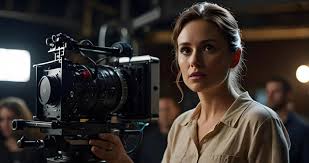
The Director: The Visionary Behind the Lens
The director is often regarded as the captain of the ship, responsible for the overall vision of the project. They work closely with every department to ensure the story, tone, and mood of the film or TV show align with their creative intentions.
Key Responsibilities of a Director
- Visionary Leadership: The director is responsible for interpreting the script and bringing it to life on screen, often visualizing the story before anyone else.
- Casting: Directors work with casting directors to select the right actors for the roles, ensuring the cast complements the script and the overall vision.
- Guiding Performances: Directors work with actors to shape their performances, ensuring they capture the desired emotion and tone.
- Creative Decision-Making: Directors collaborate with cinematographers, editors, and other departments to make decisions about camera angles, lighting, set design, and pacing.
- Post-Production: In the editing room, directors often work closely with editors to fine-tune the final product, ensuring the pacing, tone, and visuals are aligned with their original vision.
Notable Directors
- Steven Spielberg: Known for his storytelling mastery and ability to blend heart and spectacle in films like E.T. and Schindler's List.
- Quentin Tarantino: Famous for his unique dialogue-driven style and non-linear storytelling in films like Pulp Fiction and Inglourious Basterds.
- Ava DuVernay: Known for her powerful social justice films, such as Selma and the documentary 13th.
The Writer: Crafting the Story
Writers are the architects of the stories that directors and actors bring to life. Whether it’s a film script or a TV series episode, the writer’s role is to create compelling narratives, unique characters, and gripping dialogues that resonate with audiences.
Key Responsibilities of a Writer
- Developing the Story: Writers create the plot, characters, and setting of the narrative, often spending months or years developing the world that will be portrayed on screen.
- Crafting Dialogue: Writers create the dialogue that drives the characters and the story, often setting the tone and rhythm of the piece.
- Adapting Material: Writers are often tasked with adapting books, articles, or real-life events into screenplays, which requires balancing creative vision with fidelity to the original material.
- Collaborating with the Director: Writers and directors often work together to ensure that the screenplay aligns with the director’s vision and that the dialogue and characters remain true to the story's emotional core.
Notable Writers
- Aaron Sorkin: Renowned for his sharp, fast-paced dialogue and compelling narratives in works like The Social Network and The West Wing.
- Shonda Rhimes: Creator of hit TV shows such as Grey’s Anatomy and Scandal, known for her engaging character-driven storytelling.
- Charlie Kaufman: Known for his complex, thought-provoking screenplays for films like Eternal Sunshine of the Spotless Mind and Being John Malkovich.

The Producer: The Architect of Logistics and Financing
Producers are the unsung heroes who ensure that the project moves forward from idea to execution. They are responsible for managing budgets, schedules, and logistics, working with directors and writers to ensure the project meets its creative goals within the given constraints.
Key Responsibilities of a Producer
- Financing and Budgeting: Producers are often responsible for securing funding for a project, working with studios or investors to finance the production. They also manage the project’s budget, ensuring that it stays on track financially.
- Project Management: Producers oversee the day-to-day operations of the film or TV show, ensuring everything runs smoothly from pre-production through to the final edit.
- Hiring Key Personnel: Producers are involved in hiring the director, writers, and key cast members, ensuring the right people are in place to bring the story to life.
- Collaboration and Problem-Solving: Producers serve as the point of contact between various departments, resolving any issues that may arise during production and keeping the creative vision aligned with the practical realities of filmmaking.
Notable Producers
- Kathleen Kennedy: Known for producing iconic films such as E.T., Jurassic Park, and Star Wars: The Force Awakens.
- Jerry Bruckheimer: A legendary producer responsible for hit franchises like Pirates of the Caribbean and Top Gun.
- Shonda Rhimes: In addition to her work as a writer, Rhimes is also a producer, known for producing TV shows like Scandal, How to Get Away with Murder, and Bridgerton.
How Directors, Writers, and Producers Collaborate
While each role has distinct responsibilities, successful films and TV shows rely on the collaboration between directors, writers, and producers. Their combined efforts are crucial to ensuring that the project stays true to its creative vision while also adhering to practical considerations like time, budget, and logistics.
Key Areas of Collaboration
- Script to Screen: The writer’s script becomes the foundation for the director to shape the story, and the producer ensures it’s brought to life within the available resources.
- Creative Vision: Directors, writers, and producers must work together to align the vision of the project, from the initial concept to the final cut.
- Problem-Solving: During production, unforeseen challenges are bound to arise, and these three key players must collaborate to find creative solutions while keeping the project on track.

The Impact of Behind-the-Scenes Creators on Film and TV
The combined contributions of directors, writers, and producers often go unnoticed by the audience but are vital to the success of any project. These creators lay the groundwork for the performances, the visual storytelling, and the technical execution of a production. Their work ensures that the final product resonates with audiences long after the credits roll.
Conclusion
Behind every great film or TV show lies a team of talented individuals whose dedication, creativity, and hard work make it all possible. Directors, writers, and producers work together to create the magic we experience on the screen, shaping stories that entertain, inspire, and move us.

You must be logged in to post a comment.