

Introduction
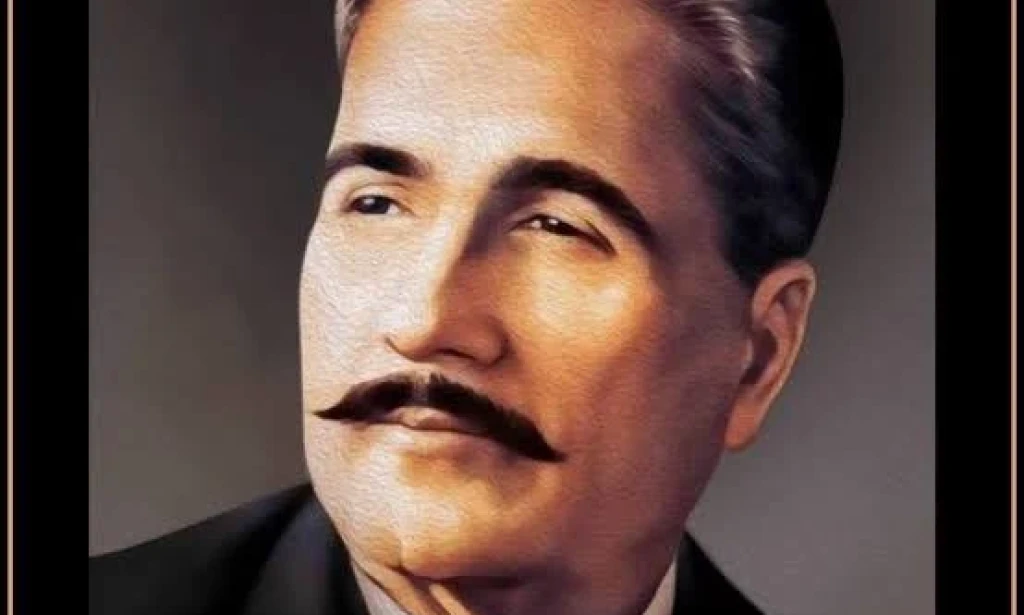
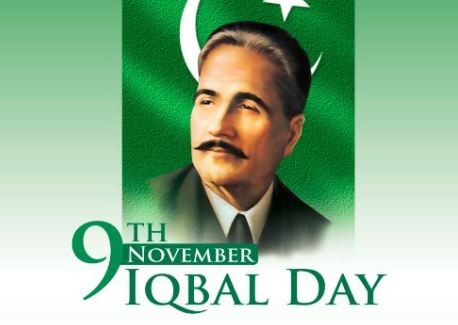
The 9th of November is a very special day in the history of Pakistan. It is celebrated as Allama Iqbal Day to remember the birth anniversary of Dr. Allama Muhammad Iqbal, one of the greatest poets, philosophers, and thinkers of the Muslim world. He was born on 9 November 1877 in Sialkot, a city that is now part of Pakistan. Allama Iqbal played an important role in awakening the political, intellectual, and spiritual awareness of Muslims in the Indian subcontinent. His poetry inspired millions of people and encouraged them to believe in themselves, work hard, and achieve great things.
Allama Iqbal is widely known as the National Poet of Pakistan. His ideas and vision became an important foundation for the Pakistan Movement. Every year, 9 November reminds us of his remarkable contributions and encourages us to follow his message of hope, courage, education, and self-respect.
Early Life and Education
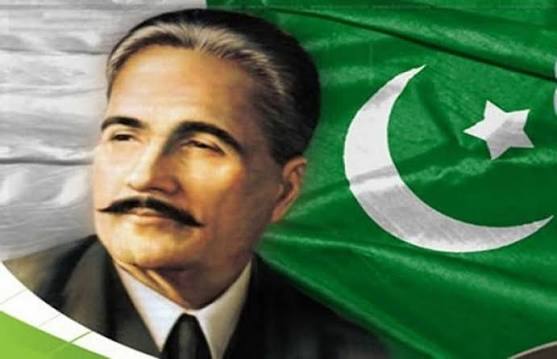
Allama Muhammad Iqbal was born into a respected family in Sialkot. His father, Sheikh Noor Muhammad, was a religious and hardworking person who played an important role in his upbringing. From an early age, Iqbal showed great interest in education, literature, and knowledge.
He received his early education in Sialkot, where one of his teachers, Maulana Syed Mir Hassan, recognized his extraordinary abilities and encouraged him to develop his intellectual skills.
Later, Iqbal continued his education at Government College Lahore. He studied philosophy and literature and achieved remarkable academic success. His passion for knowledge took him to Europe, where he studied at the University of Cambridge and received a degree in philosophy. He also studied at the University of Munich in Germany and earned a doctorate.
His educational journey helped him develop a deep understanding of philosophy, history, politics, and human development.
Allama Iqbal as a Great Poet
Allama Iqbal was not an ordinary poet. His poetry carried powerful messages about life, courage, determination, freedom, and self-confidence. He believed that individuals could achieve greatness through hard work, strong character, and faith.
His poetry encouraged young people to recognize their abilities and never become discouraged by difficulties.
One of his famous verses is:
"Khudi ko kar buland itna ke har taqdeer se pehle,
Khuda bande se khud poochay bata teri raza kya hai."
This verse teaches us to develop our personality, strengthen our character, and work towards becoming better human beings.
Iqbal wrote poetry in Urdu and Persian. His famous works include:
Bang-e-Dra
Bal-e-Jibril
Zarb-e-Kalim
Asrar-e-Khudi
Rumuz-e-Bekhudi
Payam-e-Mashriq
These books contain valuable lessons about personal development, spirituality, education, and society.
Allama Iqbal's Vision for Pakistan
Allama Iqbal played a significant role in shaping the political thinking of Muslims in the Indian subcontinent. He believed that Muslims needed a separate political identity where they could freely practice their religion, protect their culture, and develop their social and educational institutions.
In his famous Allahabad Address of 1930, Iqbal presented the idea of a separate Muslim state in northwestern India. His vision became an important inspiration for the Pakistan Movement.
Although he did not live to see the creation of Pakistan in 1947, his ideas influenced many Muslim leaders, including Quaid-e-Azam Muhammad Ali Jinnah.
Today, Pakistanis remember him not only as a poet but also as a visionary thinker whose ideas contributed to the struggle for an independent homeland.
Importance of Education in Iqbal's Philosophy
Education was one of the most important themes in Allama Iqbal's philosophy. He believed that knowledge was essential for the progress of individuals and nations.
According to his ideas, education should not only provide information but also develop confidence, creativity, moral values, and independent thinking.
He wanted young Muslims to become educated, responsible, and hardworking members of society.
In the modern world, his message is still relevant. Students should focus on acquiring knowledge, improving their skills, and using education to solve social problems.
A nation cannot achieve lasting progress without educated and responsible citizens.
The Message of Khudi
One of the most important concepts in Iqbal's philosophy is Khudi, which means selfhood or self-realization.
Through this concept, Iqbal encouraged people to recognize their inner abilities, develop confidence, and take responsibility for their lives.
He believed that people should not depend entirely on others for their success. Instead, they should work hard, make positive decisions, and develop strong personalities.
Khudi teaches us that every person has potential. However, this potential can only be developed through discipline, determination, courage, and continuous learning.
This message is particularly important for young people who want to build successful careers and contribute positively to society.
Why Is 9 November Celebrated?
The 9th of November is observed to honor the birth anniversary of Allama Muhammad Iqbal.
On this occasion, educational institutions, universities, literary organizations, and cultural institutions organize different activities to highlight his contributions.
Common activities include:
Special school and college programs.
Poetry competitions.
Speech competitions.
Discussions about Iqbal's philosophy.
Essay-writing competitions.
Educational seminars.
Recitation of Iqbal's poetry.
These activities help students understand his ideas and recognize his importance in the history of Pakistan.
The day also provides an opportunity to discuss how his teachings can guide modern society.
Allama Iqbal's Message for Young Generation
Allama Iqbal had great expectations from young people. He believed that youth were the future of a nation and could bring positive changes through education, courage, and hard work.
He wanted young people to become confident, creative, and independent thinkers.
His famous poem "Lab Pe Aati Hai Dua Ban Ke Tamanna Meri" is especially popular among schoolchildren. It expresses beautiful wishes for a meaningful life, knowledge, kindness, and service to humanity.
Young people can learn several important lessons from his poetry:
Believe in your abilities.
Never give up during difficult situations.
Respect knowledge and education.
Develop strong moral values.
Work honestly towards your goals.
Help others and serve humanity.
Become responsible citizens.
These principles can help students build successful and meaningful lives.
Relevance of Iqbal's Teachings in Modern Society
The world has changed significantly since Allama Iqbal's time. Technology, communication, education, and economic systems have developed rapidly. However, his teachings remain meaningful.
Today, young people face many challenges, including unemployment, competition, lack of confidence, and social pressure.
Iqbal's philosophy encourages individuals to face these challenges with courage and determination.
His emphasis on education reminds us to continue learning. His concept of Khudi encourages self-confidence, while his poetry teaches us to maintain hope even during difficult times.
His message can also inspire teachers, parents, students, writers, and leaders to work for a better society.
Conclusion
The 9th of November is more than a day of celebration. It is an opportunity to remember the life, achievements, and valuable teachings of Allama Muhammad Iqbal.
He was a great poet, philosopher, intellectual, and visionary who inspired generations through his powerful words and remarkable ideas.
His philosophy teaches us the importance of education, self-respect, determination, faith, and hard work. His vision also played an important role in the intellectual foundation of Pakistan.
We should not limit our appreciation of Allama Iqbal to speeches and celebrations. Instead, we should apply his teachings in our daily lives.
By becoming educated, confident, responsible, and hardworking citizens, we can contribute to the development of Pakistan.
Allama Iqbal's words continue to inspire us to dream big, believe in ourselves, and work towards a brighter future.







Comments 0
Sign in to join the conversation.
No comments yet. Be the first to say something.