

Table of Contents
1. Introduction: The Power of Women in Society
Women have always played a crucial role in shaping societies, even when their contributions were overlooked or undervalued. Today, women are recognized not only as caregivers and nurturers but also as leaders, innovators, and changemakers. Empowering women means providing equal opportunities, access to resources, and the freedom to make decisions that impact their lives. When women are empowered, the ripple effects reach families, communities, and nations, fostering sustainable growth and development. Studies consistently show that societies with empowered women experience higher literacy rates, improved economic performance, and stronger social cohesion. Women empowerment is not simply a matter of justice; it is a necessity for building resilient and progressive societies.

2. Historical Perspective on Women Empowerment
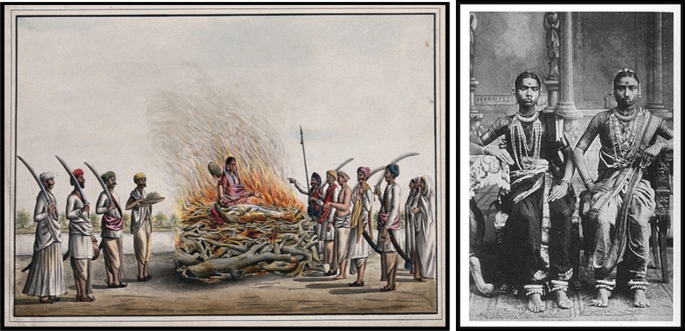
The journey of women empowerment has been long and complex. In ancient civilizations, women held varying degrees of influence, with some societies granting them rights to own property, lead communities, or participate in trade. However, in many cultures, women were confined to traditional roles with limited recognition of their talents and potential. The 19th and 20th centuries marked a turning point with global movements for women’s suffrage, education, and workplace rights. Activists like Susan B. Anthony, Emmeline Pankhurst, and Malala Yousafzai have been instrumental in shifting perceptions about women’s roles in society. Understanding this history is crucial because it highlights the struggles and sacrifices made to achieve progress, while also reminding us of the challenges that remain today.
3. Education as the Foundation of Empowerment
Education is often described as the key to empowerment, and this holds especially true for women. When women and girls have access to quality education, they are equipped with knowledge, skills, and confidence to pursue opportunities beyond traditional roles. Educated women are more likely to participate in the workforce, advocate for their rights, and make informed decisions for their families. They also contribute to reducing poverty and improving public health, as educated mothers are better able to support the education and well-being of their children. Unfortunately, millions of girls worldwide still face barriers such as poverty, early marriage, and cultural restrictions that prevent them from completing their education. Breaking these barriers is essential to unlock the full potential of women in society.

4. Economic Participation and Financial Independence
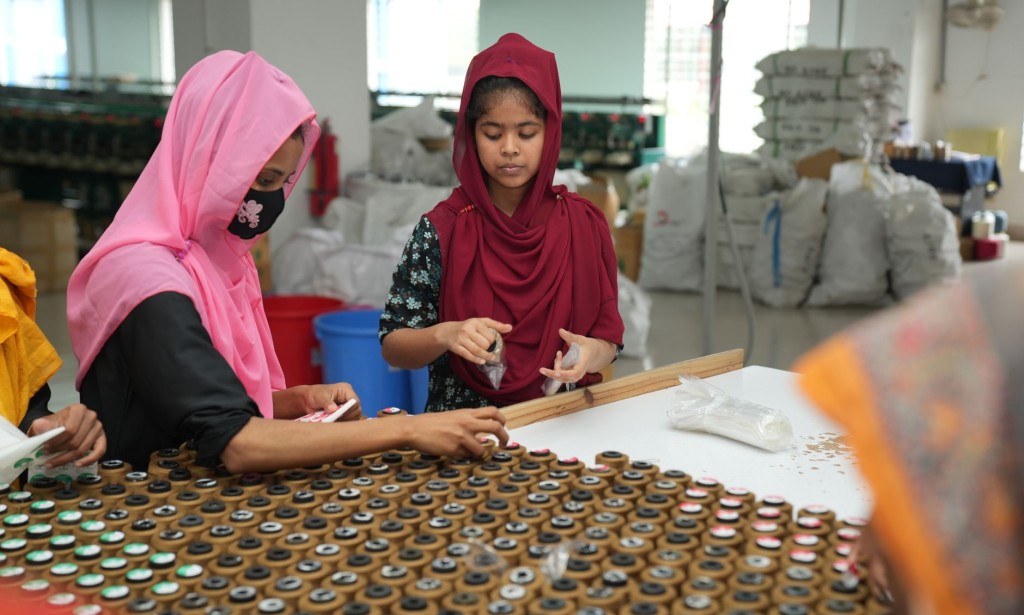
Women’s economic empowerment is a driving force behind national prosperity. When women participate equally in the workforce, businesses benefit from diverse perspectives, higher productivity, and greater innovation. Financial independence also gives women the power to make choices about their lives, reducing their vulnerability to exploitation and inequality. In many countries, women entrepreneurs are creating job opportunities and boosting local economies, proving that their contributions extend far beyond households. However, wage gaps, lack of access to credit, and workplace discrimination continue to hinder women’s economic participation. Governments, businesses, and communities must work together to create supportive environments where women can thrive economically and contribute to sustainable development.

5. Political Leadership and Representation
Political empowerment is another critical pillar of women empowerment. Representation in governance ensures that women’s voices are heard in decision-making processes that affect their lives. From local councils to national parliaments, women leaders bring unique perspectives on issues such as healthcare, education, and social welfare. Countries with higher levels of female political participation often adopt more inclusive and socially progressive policies. However, barriers such as gender stereotypes, limited resources, and political violence still discourage women from pursuing leadership roles. Promoting equal representation is not only about fairness but also about building governments that truly reflect the diverse needs of society.








Comments 0
Sign in to join the conversation.
No comments yet. Be the first to say something.