
The Weight of Silence: A Story of Waiting, Hope, and the Love That Never Fades
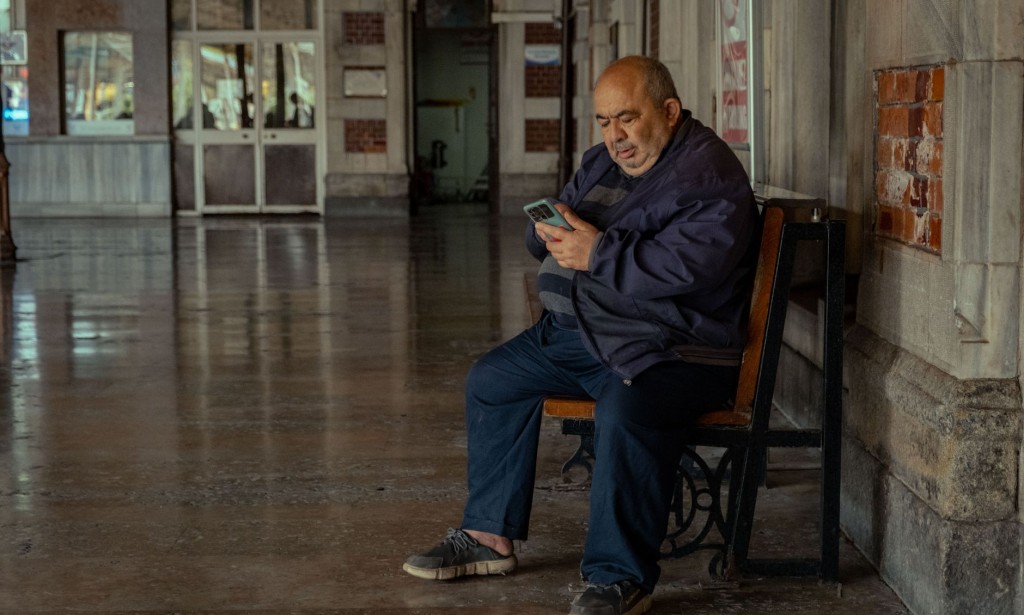
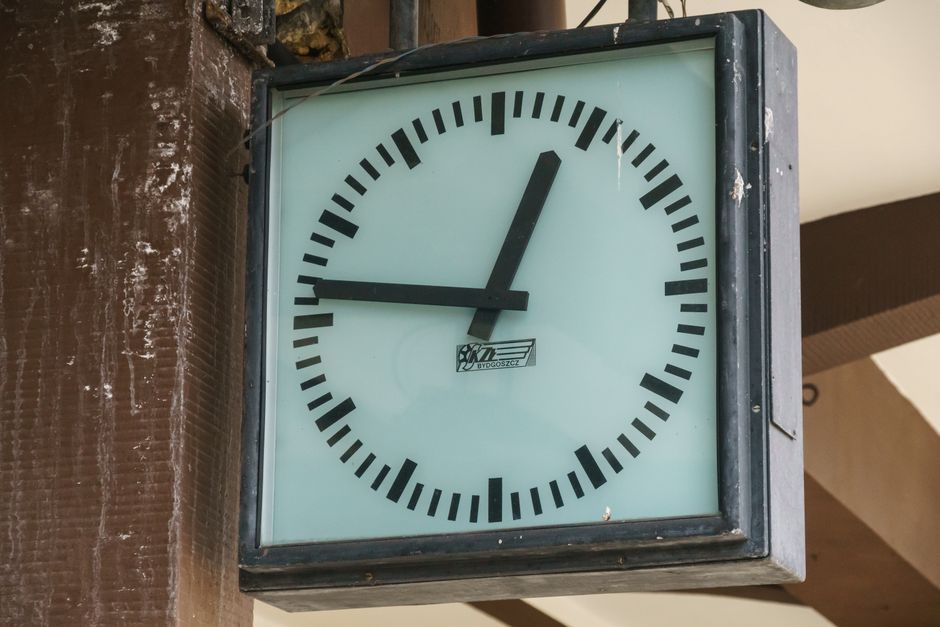
The old man arrived at the railway station every evening at six. He sat on the same wooden bench near Platform 3, beside the clock that no longer ticked. His wrinkled fingers clutched a worn leather bag, and his eyes, pale but alive, searched every arriving train as if expecting someone who had been gone too long.
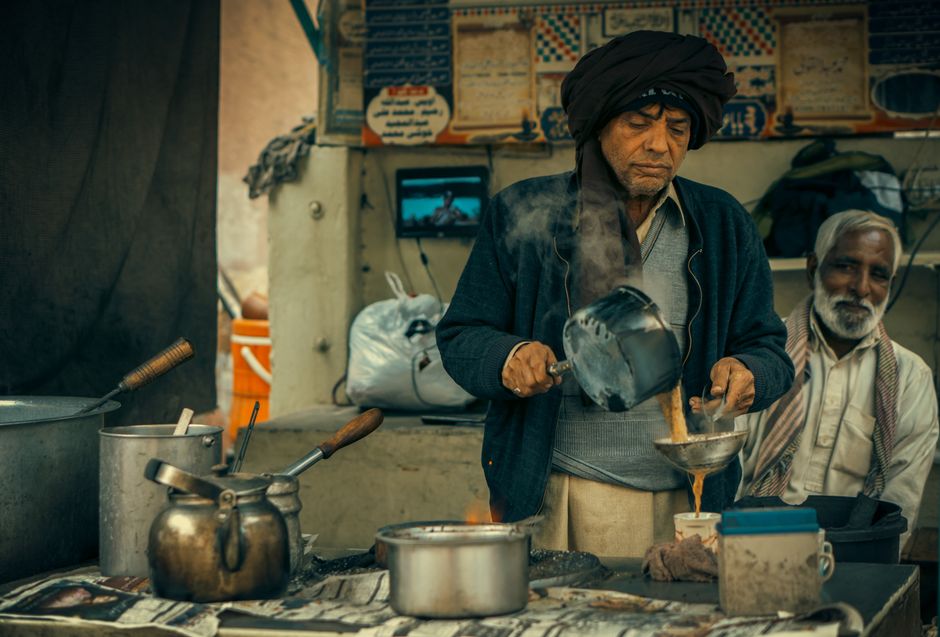
The station staff had grown used to him. The tea vendor always offered a free cup, which he sometimes accepted with a quiet nod. No one knew his name. To them, he was simply the waiting man.
Rumors floated like dust in the sunlight. Some said he was once a station master who had lost his family in a train accident. Others whispered he was a retired soldier who never returned home from war, or perhaps never found one to return to. But none of it mattered; what mattered was the way he waited, as if hope itself had taken a seat beside him.
One winter evening, a young woman named Zara noticed him. She was a journalist traveling through the small town for a feature on forgotten railway stations. There was something hauntingly poetic about the old man’s stillness, so she approached him, notebook in hand.
“Excuse me, sir,” she said softly. “I’m writing about people who belong to places that time has left behind. May I ask why you come here every day?”
The man turned his gaze toward her. For a moment, his silence filled the space between them like fog. Then he smiled faintly. “I’m waiting for my daughter,” he said. “She promised she’d come by train.” Zara hesitated. “When did she promise that?”
The man looked at the tracks, where a faint tremor hinted at an approaching train. “Thirty years ago,” he whispered. Zara’s pen froze. “Thirty years?”
He nodded. “She was twelve. I had to send her away during the riots. She said, ‘Baba, I’ll come back when the trains are safe again.’ So I wait. Every evening. Because she kept her promises when she was little.”
There was no bitterness in his voice, only a quiet, weathered faith. The train arrived, roaring and sighing as it stopped. Passengers spilled out laughter, luggage, and chaos. The old man’s eyes searched every face, one by one, and then softened again with resignation when she wasn’t there. When the train departed, he stood, brushed the dust from his coat, and said to Zara, “Maybe tomorrow.” Zara couldn’t speak. She only nodded, tears pricking her eyes.
The next day, she returned and the next, and the one after. Each evening, she found him there. Sometimes he told her stories of his daughter how she loved mangoes, how she once drew rainbows on the station walls, how she had dimples when she smiled. Sometimes they just sat in silence, watching the trains come and go. One evening, the bench was empty.
The station felt colder that day. The tea vendor shook his head when Zara asked about him. “He didn’t come today,” he said quietly. “Maybe he finally caught his train.”
Zara looked at the abandoned bench, at the bag left beneath it. Inside, she found a faded photograph of a little girl with bright eyes, standing beside a younger version of the man. On the back were three words written in careful handwriting:
“Wait for me.”
Zara never published her story about the railway station. Instead, she wrote a different one about the kind of love that doesn’t ask for proof, and the kind of hope that refuses to die. She titled it “The Weight of Silence.”
And every year, on the same winter evening, she visited Platform 3. Just to make sure someone was still waiting.






Comments 0
Sign in to join the conversation.
No comments yet. Be the first to say something.