


A Note to the Reader
This book began with a regret I have carried for a long time: the feeling that I did not give enough time to the people who loved me most. I cannot return to the moments I wasted, and I cannot ask my grandparents to come back so I can sit with them again. What I can do is speak honestly about what happened, what I wish I had understood, and what I hope another person might learn before it is too late.
I have not written these pages because I believe I have everything figured out. I have written them because I do not. I am still learning how to live with regret without allowing it to destroy the good that remains in my life. My memories are personal, and some details are simple or incomplete. Where I reflect beyond a specific event, I do so as a lesson—not as a claim that another event happened.
If you still have your parents, grandparents, siblings, or another person who has loved you for years, I hope this book encourages you to spend time with them today. Not after the next task. Not when you feel less tired. Today.
CHAPTER 1: THE HOME THAT HELD US
A childhood shaped by family

My childhood was connected to village life and a large family. I grew up around my parents, my two sisters, my brother, my grandparents, and relatives who lived close enough to be part of everyday life. Our world was not made up of perfect arrangements or endless comfort. It was made up of familiar faces, ordinary routines, shared space, and the feeling that family was always nearby.
When you grow up in a joint family, you can begin to think that togetherness is simply how life works. People are around you so often that their presence feels permanent. You see the same people at home, hear their voices, and move through familiar days without stopping to consider how precious those ordinary moments are. As a child, I did not understand that one day I might look back and wish I could return to a single ordinary evening.
Our days followed a simple rhythm. There was school, home, and the familiar routine of evenings. The village gave our life a sense of closeness. Family members were not distant figures whom we visited only on special occasions. They were part of the background of daily life. Their presence was so familiar that I rarely thought of it as something that could change.
That is one of the strange things about childhood: what is most valuable often feels the least remarkable. A person may remember a grand celebration, but later miss the small things—the sound of someone speaking from another room, a familiar face at home, a short conversation, or the comfort of knowing that an elder is still there.
I do not want to make my childhood sound like a story without problems. Every family has pressures, disagreements, and worries. Yet even when life is difficult, closeness has its own value. The people around us help create the world we know. We may not understand their sacrifices while we are young, but we often understand them more clearly when life changes.
Looking back, I can see that my family gave me something that cannot be bought: a sense of belonging. I did not always respond to that gift with the attention it deserved. I assumed the people who loved me would remain available. I thought there would always be another day to talk, another chance to sit with them, another opportunity to show affection.
If I could speak to my younger self, I would not tell him to stop enjoying childhood or to feel guilty about every hour. I would tell him to notice people. To put down what is distracting him for a few minutes. To sit with his grandparents even when there is no special reason. To understand that ordinary family life is not a waiting room before the real story begins. It is the story.
CHAPTER 2: THE PEOPLE I THOUGHT WOULD ALWAYS BE THERE
Love can become invisible through familiarity
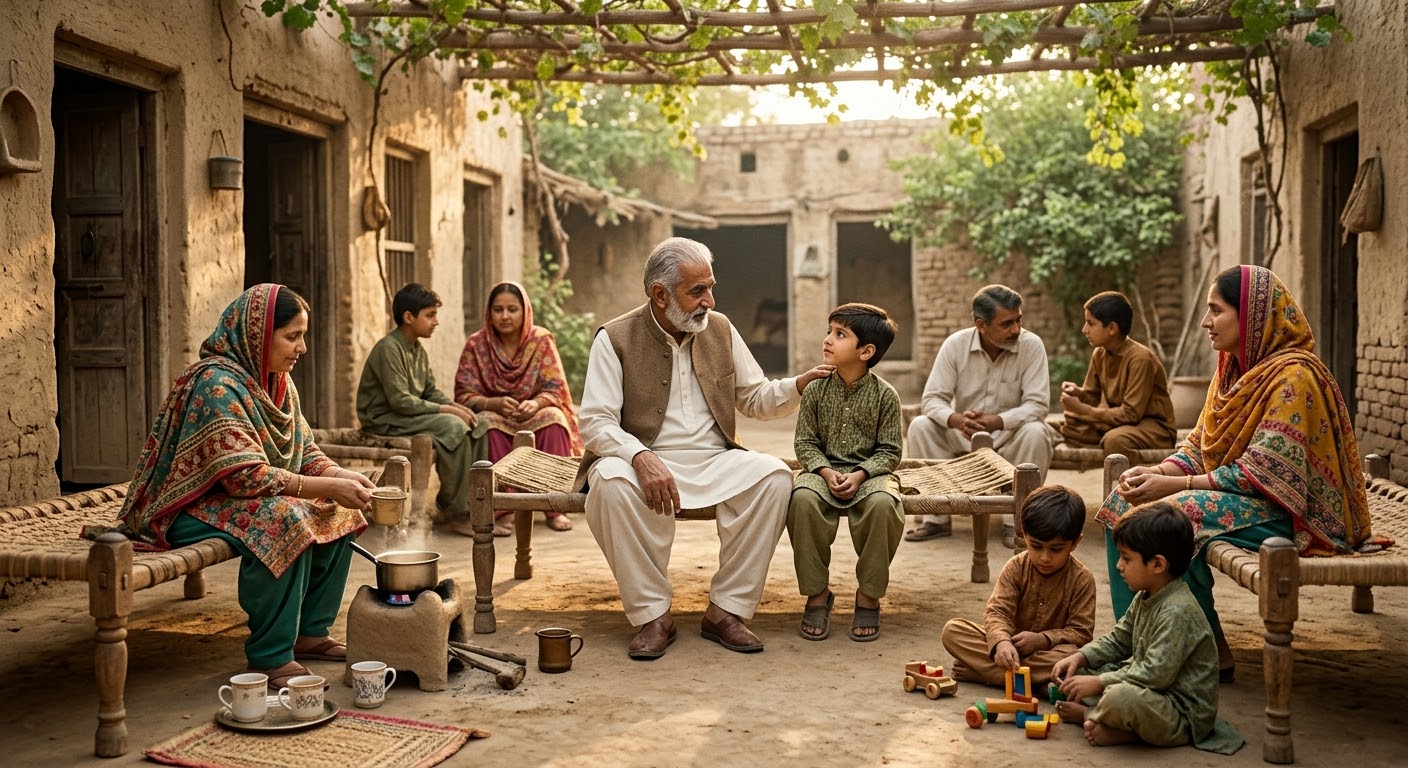
My grandparents were part of the family world I had always known. When someone is present for years, you can stop noticing the care they give. Their love becomes so familiar that you may treat it as something that will continue without effort from you. You do not mean to be ungrateful. You simply fail to recognise how much is being offered.
My grandfather loved me. I remember that he would give me things and show affection in ways that mattered to him. Those gestures were his way of making me feel cared for. At the time, I did not always understand the meaning behind them. A gift can look like a small thing to a child, but for the person giving it, it may be one more way to say, 'You matter to me.'
As my grandfather's health worsened, he became unable to move around as he once had. He needed help, and even a simple outing could require effort from other people. There were times when he wanted to go outside in a wheelchair. I did not always respond with patience. Sometimes I ignored his requests or resisted helping him go out. I cannot change that now. I can only admit it honestly.
That memory hurts because the request was not necessarily about going somewhere important. It may have been about seeing the outside world, feeling the air, changing the routine, or spending a little time with family. When someone is healthy, such things seem easy and unimportant. When a person loses mobility, a short outing can become a meaningful event. What looks like a small favour to us may mean a great deal to someone who depends on others.
I wish I had understood that love is not measured only by big gestures. Sometimes love means giving someone a little of your time when it would be easier to say no. It means listening without making the person feel like a burden. It means helping with a task that may seem repetitive because the person asking cannot do it alone.
Young people can mistake the presence of elders for an unlimited supply of time. We think they will be there when we are older, when we have more money, when we are less busy, or when we finally become more thoughtful. But life does not promise that schedule. Health changes. Families change. People die. The time available to us is real, but it is not endless.
I do not share these memories to present myself as a bad person forever. I share them because I want to take responsibility. Regret becomes useful only when it teaches us how to act differently. If I cannot give my grandfather another outing, I can still help someone else today. I can listen to an older relative. I can offer help without waiting to be asked twice. I can remember that dependence is not an inconvenience to punish; it is a human condition that each of us may experience one day.
CHAPTER 3: WHEN HEALTH CHANGED OUR FAMILY
The quiet beginning of change
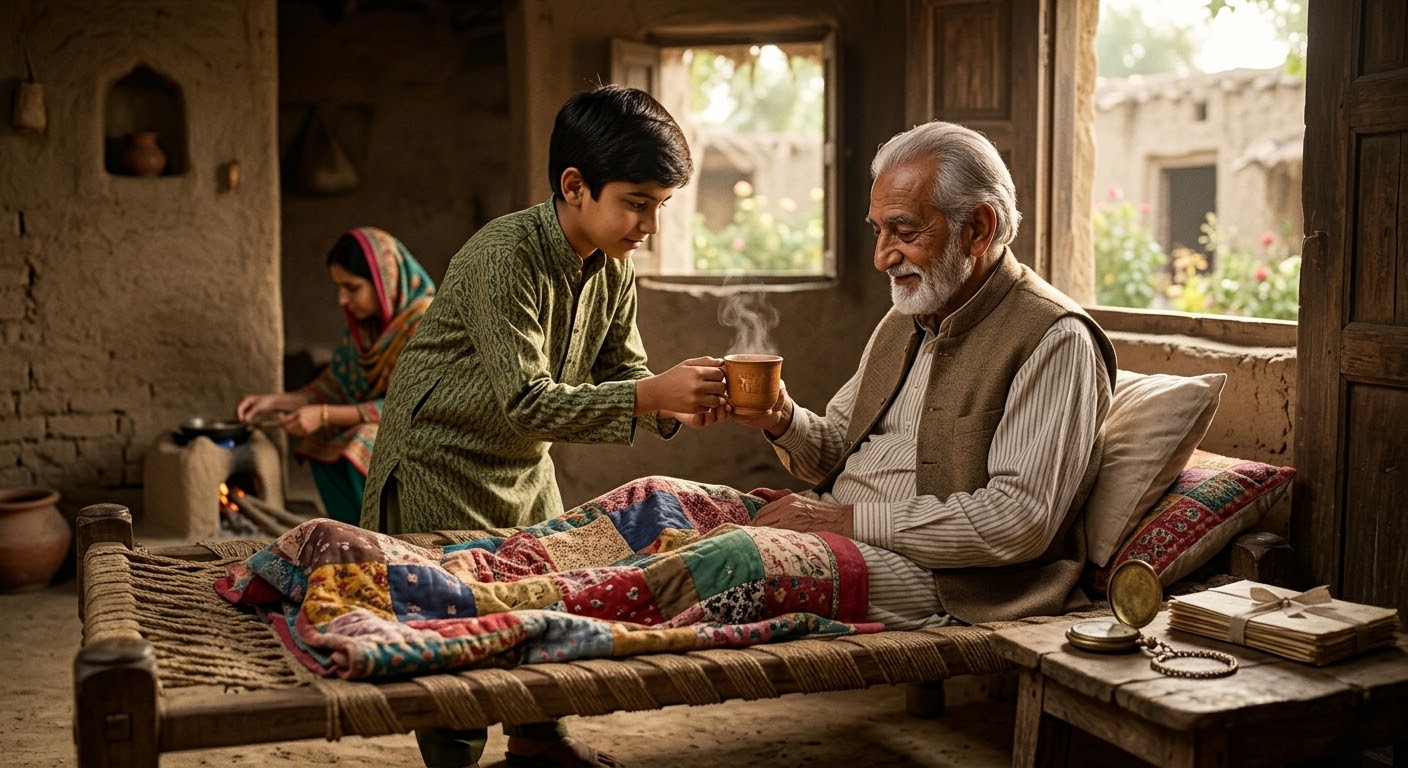
Life in our family changed as health and financial pressures grew. My grandfather became less mobile. My grandmother also faced health difficulties, including a heart attack. Later, caring for my grandfather became harder for her. The people who had once been part of the strength of our home were now facing needs of their own.
Families do not always change through one dramatic moment. Sometimes change arrives slowly: a health problem, a new responsibility, a worry about money, or a task that one person can no longer manage. Everyone tries to adjust. People do what they can, and they may be tired or anxious even when they do not say so openly.
When we are young, we often see only the part of the situation that affects us. We may notice that routines are different or that someone needs more attention, but we do not fully understand the pressure on the adults around us. We do not see every worry they carry. We may not know how much energy it takes to look after a loved one while also trying to keep the rest of life moving.
My grandparents' changing health should have helped me understand that time was becoming more precious. Instead, I continued to think as if there would be enough time later. This is one of the hardest truths about regret: the warning signs may be present, but we do not always recognise them as warnings. We see a situation changing and still imagine that the important conversations can wait.
There is no single perfect way to respond when an older relative becomes ill. Families may have limited money, limited space, and limited strength. Care can be complicated. But even when we cannot solve everything, we can often offer presence. We can sit beside someone, speak kindly, help with a small task, or ask what would make the day easier.
Presence does not cure illness, and it cannot stop every loss. But it can make a person feel less alone. It can also help us later, because we know we tried to be there. I did not always offer the attention I wish I had given. That is why I want this chapter to be a reminder: when someone's health begins to change, do not assume the old routine will return. Treat the time you still have as something worth protecting.
Looking back, I understand that family love is not only a feeling. It is also a practice. It requires patience, repeated small acts, and the willingness to make room for someone else's needs. We may not be able to control a family's circumstances, but we can choose how we behave within them.
CHAPTER 4: MONEY, PRESSURE, AND SEPARATION
When practical problems change home life
My family also faced financial pressure. My father had a grocery shop, and there were difficulties connected with debt and borrowing. Relatives and farmland had been part of the wider family support around us, but financial strain can place pressure on even close relationships. When money becomes a worry, it can affect where people live, what they can afford, and how they plan the future.
I was not the person responsible for managing these problems, and I did not understand every detail at the time. Children and young people often experience the results of financial decisions without knowing the full story behind them. They may notice a move, a change in routine, or a new arrangement, while the adults are carrying the stress of trying to make life work.
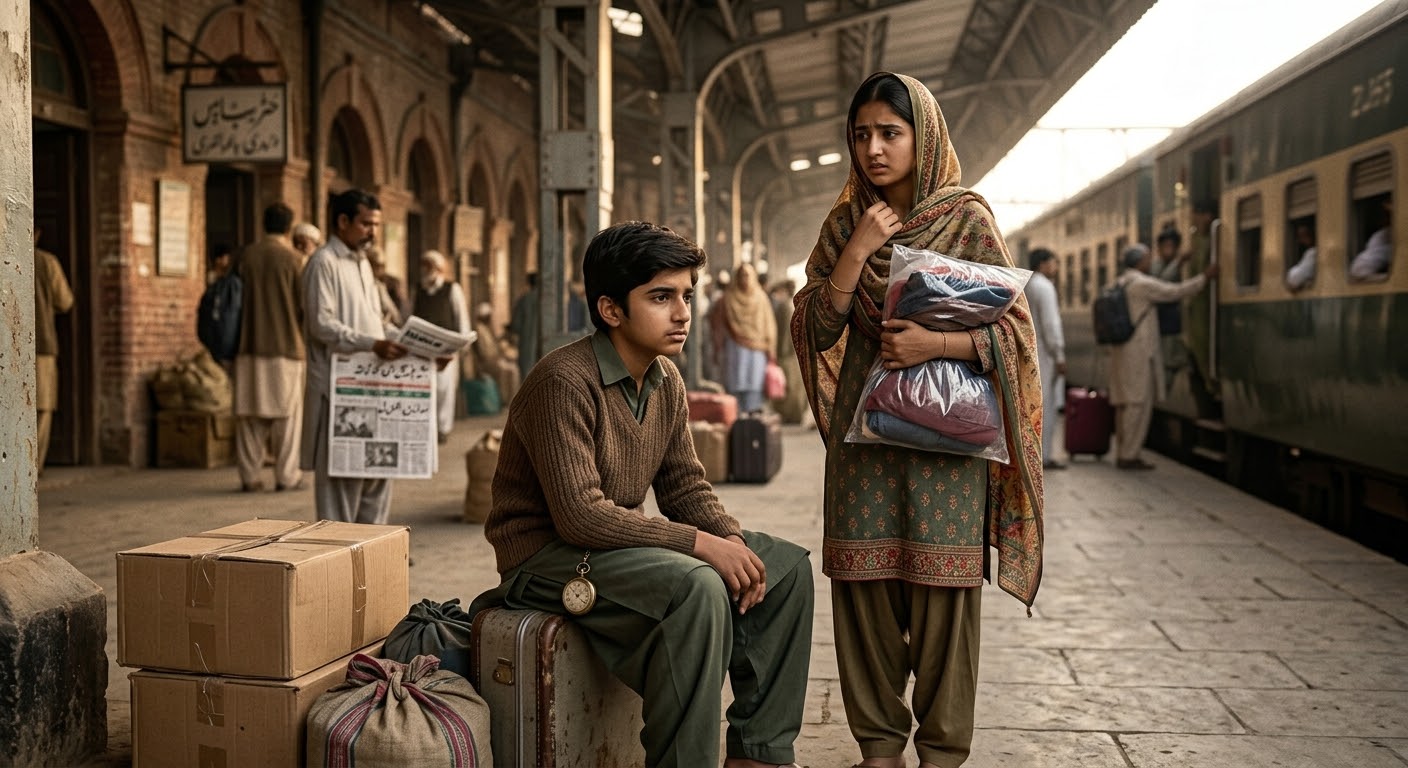
Eventually, our family circumstances led to separation from the shared arrangement we had known. We moved to the city because my sister needed to attend university and I needed to continue my college education. A move can be practical and necessary, but it also changes the shape of everyday life. Familiar faces may no longer be just a few steps away. Visits require planning. Time together becomes something that must be arranged rather than something that happens naturally.
At first, distance may not seem like a serious threat to closeness. You tell yourself that you will visit when there is a break, when travel is easier, or when your schedule allows it. Those plans may be sincere. But when time is no longer shared automatically, relationships need more deliberate care. If we do not make the effort, distance can quietly turn into absence.
The move to the city was not simply a personal choice to leave my grandparents behind. It was connected to education and the family's circumstances. I do not blame my family for needing to make practical decisions. Life often asks people to choose between imperfect options. The lesson I take from this is not that we should refuse change. It is that when circumstances separate us from loved ones, we must work harder to stay connected.
A phone call, a message, a planned visit, or a few minutes of real conversation can help bridge distance. These acts may look small, but they communicate something important: 'You are still part of my life, even when we are not in the same place.' I wish I had treated that responsibility more seriously.
Money matters. Education matters. Work matters. A family must often think about survival and the future. But while we work to build a better life, we should not forget the people who helped make our life meaningful. The goal should not be to choose between ambition and love. The goal should be to pursue our responsibilities without treating relationships as something we can always repair later.
CHAPTER 5: THE CITY AND THE PROMISE OF LATER
How distance can disguise itself as delay
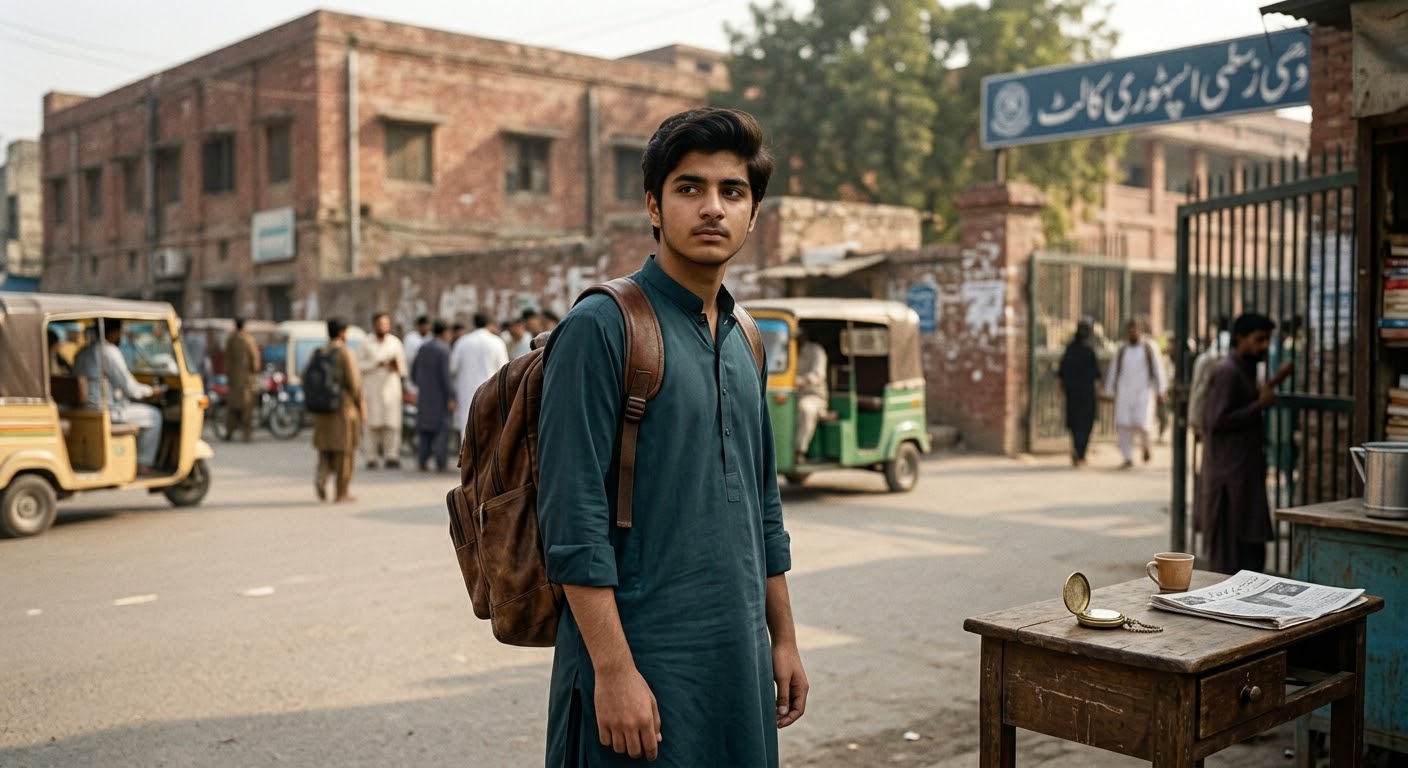
Moving to the city changed my daily life. My sister's university and my college were part of the reason for the move. There were new routines and responsibilities to think about. When life becomes busy, it is easy to believe that being busy is the same as moving forward in every area of life.
At a distance, the people we love can begin to feel less urgent. They are not in the room. They are not part of the daily routine. We may still love them deeply, but the small reminders of their presence are missing. Without those reminders, we can delay contact. We can think about calling without actually calling. We can intend to visit without choosing a date.
The word 'later' sounds harmless. It suggests that nothing is being refused; the action is simply being moved to another time. But repeated delays create a pattern. One missed call becomes several. One postponed visit becomes a season. A person may not complain, especially if they do not want to make us feel guilty. Their silence can make us think there is no problem.
Not every delay is a sign of neglect. People have work, studies, money problems, health problems, and responsibilities they cannot easily abandon. I know that life is not as simple as telling everyone to visit every day. But even within real limits, we can ask ourselves whether we are making a genuine effort or simply waiting for a perfect moment that never arrives.
I had time that I could have used better. I could have made more effort to check on my grandparents, to speak with them, and to value the chance to be with them. I cannot say that every day was easy or that I understood everything happening around me. I can say that I now wish I had given more attention to the people whose time was limited.
The danger is not only that we become busy. It is that we begin to treat our loved ones as permanent fixtures in the background of our lives. We may care for them, but we stop acting as though our time with them is precious. We assume the relationship can survive any amount of postponement.
If you are reading this while someone you love is still alive, do not turn this lesson into panic or guilt. Turn it into one small action. Call today. Ask how they are. Listen to the answer. If you can visit, make a realistic plan. If you cannot visit, explain honestly and stay in touch. Love does not require a perfect schedule. It requires attention that is expressed in real life.
CHAPTER 6: THE DAY I DID NOT GET UP
The memory that changed the meaning of time
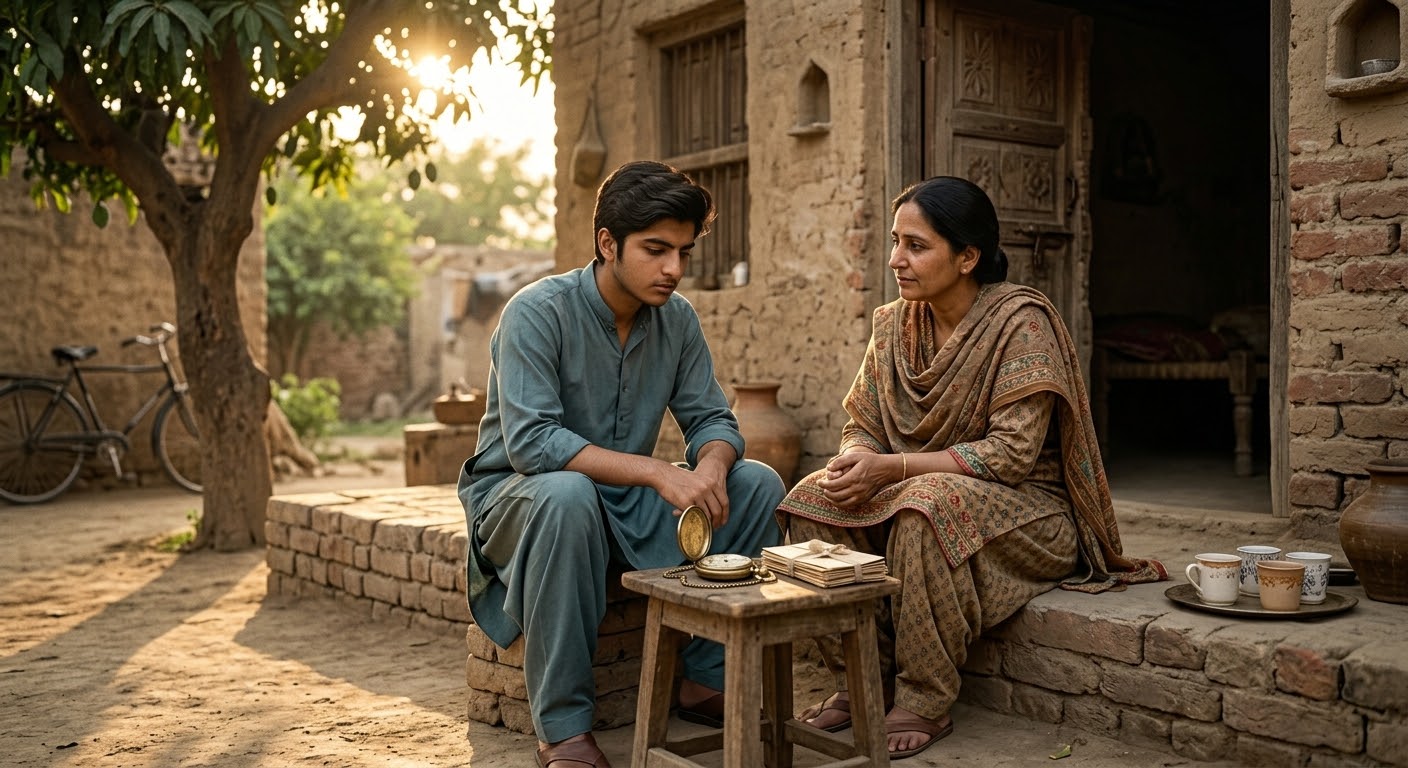
During a vacation, I was at home when my mother asked me to go and see my grandmother, who was unwell. I was tired and wanted to keep sleeping. I did not get up when I was asked. At the time, it may have seemed like a small decision: I would rest now and perhaps see her later. I did not understand that this ordinary moment would become one of the memories I would return to again and again.
My grandmother went to the hospital. The next morning, she died. She did not return home. The chance I thought I could postpone became a chance I would never have again. I could not go back and get up when my mother first asked. I could not sit beside my grandmother and give her the time I had withheld. I could not explain that I had not understood how little time remained.
There are moments when life changes without giving us time to prepare emotionally. We may know that someone is ill, but knowing that a person is unwell is not the same as accepting that they may die soon. The mind protects itself with ordinary expectations: perhaps tomorrow will be better; perhaps there will be another visit; perhaps the situation will settle. Sometimes it does. Sometimes it does not.
I cannot know exactly what would have happened if I had gone to see my grandmother that day. I cannot claim that one visit would have changed the outcome. What hurts is simpler and more personal: I had an opportunity to be with her, and I did not take it. I lost the chance to make that memory different. That is the regret I carry.
I am not writing this so that readers will judge me. I am writing it because many people make small decisions without recognising their possible importance. We choose comfort over a visit. We keep scrolling instead of talking. We postpone a call because we feel sleepy, distracted, or not in the mood. Most of these moments pass without tragedy. But we cannot know in advance which opportunity will be the last.
Regret often makes us replay a moment as though repetition could change the ending. We imagine standing up, going to the hospital, sitting beside the bed, speaking more kindly, or simply being present. These imagined alternatives can be painful because they show us what mattered. Yet replaying the past cannot give us the past back.
What we can do is allow the memory to change our future choices. When someone asks us to visit a sick relative, we can pause before saying no. When we hear that an elder is unwell, we can take it seriously. When a person we love wants to talk, we can give them a little time even if the conversation seems ordinary. We do not have to live in constant fear. We simply have to remember that some chances are not repeated.
CHAPTER 7: THE SILENCE AFTER LOSS
Learning to live with what cannot be changed
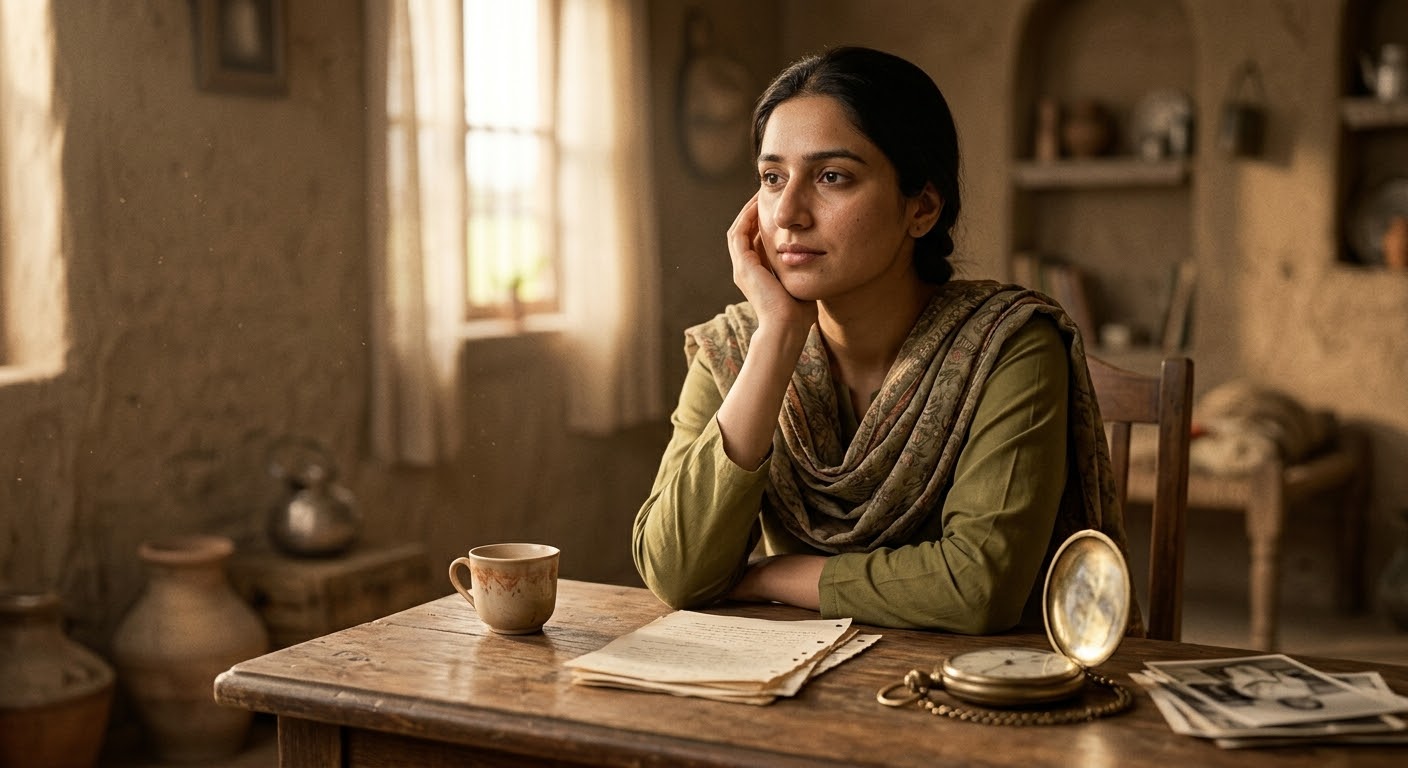
After my grandmother died, the family was left with a reality that could not be undone. The person who had been part of our life was no longer coming home. The routines that once seemed ordinary now carried a different meaning. Loss can make a familiar place feel unfamiliar because the people who gave it warmth are missing.
One of the hardest parts of grief is that the world continues. People still have to eat, study, work, travel, and handle ordinary responsibilities. Yet inside, a person may be stuck on one moment. For me, the thought that I had not gone to see my grandmother remained painful. It was not only sadness that she had died; it was sadness mixed with the knowledge that I had missed a chance to be present.
Guilt can make grief heavier. It may tell us that if we had done one thing differently, everything would be easier now. Sometimes we blame ourselves for the parts of a situation we could not control. In my case, I cannot claim that my visit would have changed what happened medically. But I can acknowledge that I wish I had made a different choice. Both truths can exist together: I did not cause every part of the loss, and I still regret my own decision.
It is important to distinguish responsibility from endless self-punishment. Responsibility says, 'I wish I had acted differently, and I will learn from this.' Endless self-punishment says, 'Because I made a mistake, I must never allow myself peace.' The first can lead to growth. The second keeps a person trapped in a past that cannot be changed.
Grief does not follow a neat schedule. Some days the memory may feel distant; on other days, a small reminder may bring it back with force. A person can pray, remember, talk with family, or quietly reflect. There is no single correct way to feel. If grief or guilt becomes too heavy to manage alone, seeking support from someone trustworthy or a qualified professional is a sign of care, not weakness.
Conclusion : BE THERE WHILE YOU CAN
A final message
My story is not a story of perfect decisions. It is a story of ordinary moments that became important after they were gone. I grew up surrounded by family, and I did not always understand how much that closeness meant. I saw my grandparents' needs change as their health declined. I moved to the city for education and family reasons. I believed there would be more time. Then my grandmother died, and my grandfather followed about a month later.
I cannot rewrite those events. I cannot replace the visit I missed or the patience I failed to show. I can only tell the truth about what I regret and try to let that truth guide the person I become.
Please do not read these pages and decide that you must live in fear of every goodbye. Life cannot be controlled that way. Instead, let the story remind you to be present. Make room for the people you love. Take their health seriously. Do not allow tiredness, distraction, pride, or endless scrolling to make every important moment wait until later.






Comments 0
Sign in to join the conversation.
No comments yet. Be the first to say something.