

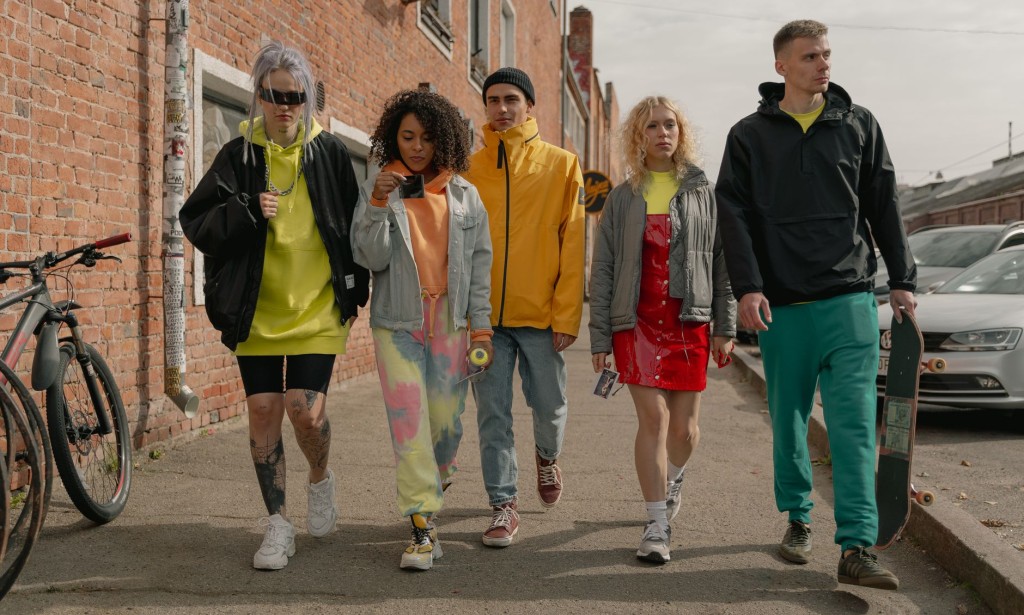
Streetwear, once a niche subculture rooted in urban neighborhoods.
has evolved into a dominant force in global fashion. Merging the aesthetics of skateboarding, hip-hop, and street art with luxury and high-end fashion, it has redefined how people express identity, rebellion, and individuality.
This article explores the rise of streetwear, its cultural origins, and how it has transformed into a multi-billion-dollar industry influencing modern fashion trends.

The Origins of Streetwear
1. Skateboarding and Surf Culture (1970s-1980s)
The roots of streetwear lie in the skateboarding and surf scenes of California. Brands like Stüssy began by selling logo-adorned T-shirts, emphasizing casual, functional attire that resonated with young, rebellious audiences.
2. Hip-Hop and Urban Influence (1980s-1990s)
As hip-hop culture grew, streetwear began to incorporate elements of urban fashion. Baggy jeans, oversized hoodies, and sneakers became iconic symbols of music and self-expression, driven by artists like Run-DMC and LL Cool J.
3. DIY Aesthetic
The early streetwear scene was deeply tied to individuality. Customized pieces, graffiti-inspired designs, and screen-printed logos embodied the DIY spirit, allowing wearers to stand out.
Key Elements of Streetwear
Streetwear is characterized by its emphasis on comfort, authenticity, and cultural storytelling.
1. Graphic T-Shirts
Bold logos, slogans, and artwork remain a staple of streetwear, often reflecting cultural or political commentary.
2. Sneakers
Sneakers are the cornerstone of streetwear. Iconic collaborations between brands like Nike and Adidas with artists and designers have elevated sneakers to collectible status.
3. Hoodies and Outerwear
Oversized hoodies, bomber jackets, and puffer coats offer both practicality and style, blending casual wear with cutting-edge design.
4. Accessories
Caps, backpacks, and crossbody bags are essential, often bearing the logos of influential streetwear brands.
The Luxury Streetwear Fusion
1. High Fashion’s Adoption
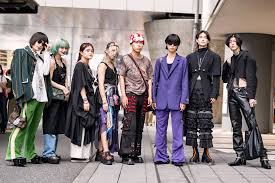
In the 2010s, high-fashion houses like Louis Vuitton, Gucci, and Balenciaga embraced streetwear, blending luxury with urban aesthetics. Collaborations, such as Louis Vuitton x Supreme, marked a pivotal moment in the merging of these worlds.
2. Designer-Led Innovation
Designers like Virgil Abloh (Off-White) and Demna Gvasalia (Balenciaga) have pioneered the integration of streetwear into couture, creating a new genre of accessible luxury.
Cultural Impact of Streetwear
1. Breaking Barriers
Streetwear has democratized fashion, allowing individuals from all backgrounds to participate in and shape trends.
2. Community and Collaboration
Streetwear thrives on collaboration, whether between brands and artists or through limited-edition drops that create a sense of exclusivity and excitement.
3. A Global Phenomenon
What began as a local movement has gone global, influencing fashion in cities from Tokyo to Paris, adapting to regional cultures while maintaining its urban roots.
The Role of Social Media and Technology
1. Hype Culture
Platforms like Instagram and TikTok have amplified streetwear’s reach, with influencers showcasing exclusive drops and styling tips. Hype-driven releases create demand and fuel the resale market.
2. Resale Economy
Streetwear has birthed a booming resale market on platforms like StockX and GOAT, where limited-edition items are sold at premium prices, making fashion both an investment and a status symbol.
Streetwear’s Influence on Modern Trends
1. Gender-Neutral Fashion
Streetwear’s oversized silhouettes and unisex designs have played a significant role in breaking gender norms in fashion.
2. Sustainability
Some streetwear brands are embracing sustainable practices, using recycled materials and advocating for ethical production.
3. Everyday Luxe
The blending of casual streetwear with tailored pieces has popularized the “high-low” trend, where sneakers are paired with suits, or hoodies with designer coats.
Challenges and Criticism
While streetwear has seen immense success, it faces challenges:
- Cultural Appropriation: The commercialization of streetwear has raised questions about the exploitation of urban and minority cultures.
- Sustainability: Fast fashion’s impact on the environment is a concern as streetwear continues to thrive on mass production and frequent drops.
The Future of Streetwear
Streetwear’s adaptability and cultural relevance ensure its continued influence on fashion. Innovations in digital fashion, such as NFT-based apparel, and an increasing emphasis on sustainability are likely to shape the next phase of this cultural phenomenon.
Conclusion.
The streetwear revolution is a testament to the power of culture, creativity, and community. From its humble beginnings on skate ramps and city streets to its dominance on runways and social media, streetwear has redefined what it means to be fashionable. It’s not just a trend—it’s a movement that continues to challenge and inspire the world of style.




Comments 0
Sign in to join the conversation.
No comments yet. Be the first to say something.