

The Significance of Ramazan
Ramazan, also known as Ramadan, is the holiest month in the Islamic calendar, observed by Muslims worldwide as a time of fasting, prayer, reflection, and community. It is the ninth month of the Islamic lunar calendar and is believed to be the month in which the Holy Quran was revealed to Prophet Muhammad (PBUH). The significance of Ramazan goes beyond just refraining from food and drink; it is a period of self-discipline, spiritual growth, and devotion to Allah.
Fasting, or sawm, is one of the Five Pillars of Islam and is obligatory for all healthy adult Muslims.
From dawn (Suhoor) until sunset (Iftar), Muslims abstain from eating, drinking, smoking, and engaging in sinful behavior. The fast is broken at sunset with a meal that typically starts with dates and water, followed by a variety of traditional dishes. The act of fasting not only serves as an expression of obedience to Allah but also fosters empathy for those who are less fortunate. It is a reminder of the struggles of the poor and hungry, encouraging charity and generosity.
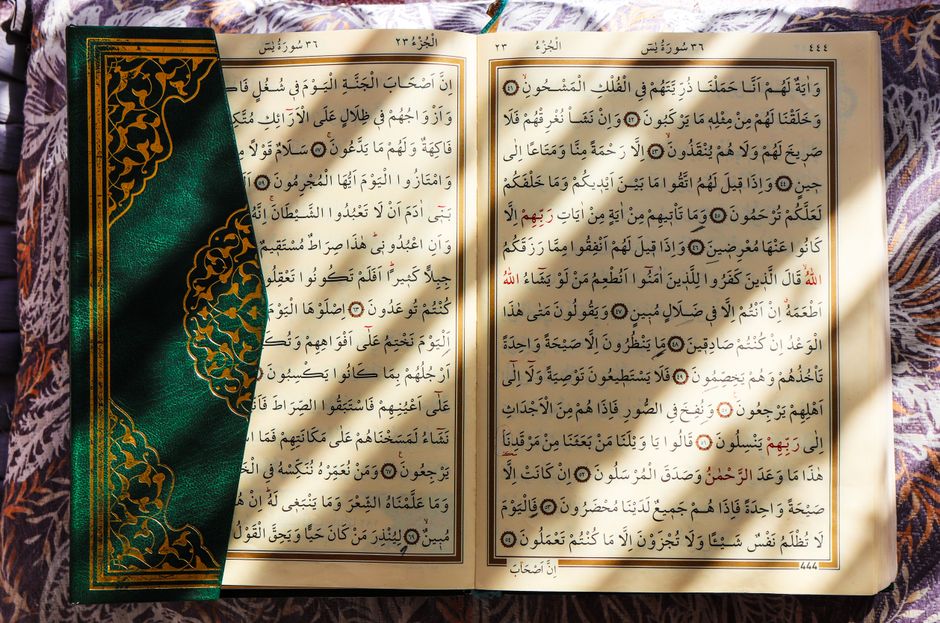
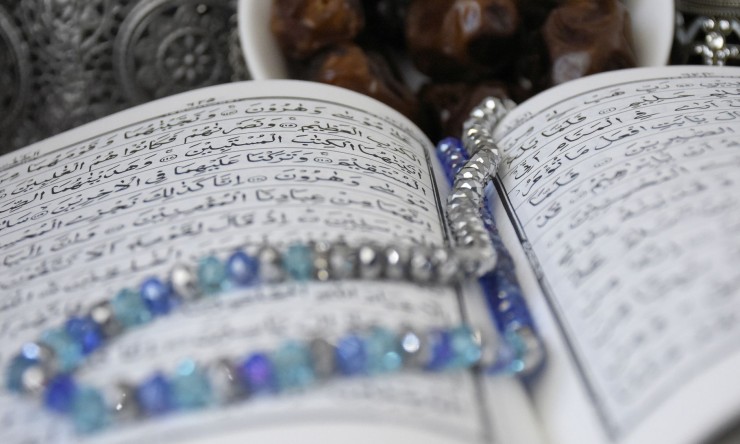
Apart from fasting, Muslims engage in increased acts of worship during Ramazan. They perform additional prayers, including Taraweeh, which are special nightly prayers performed in congregation at mosques. Recitation of the Holy Quran is also encouraged, as it is believed that the rewards for good deeds are multiplied during this sacred month. Many Muslims strive to complete the entire Quran at least once during Ramazan.

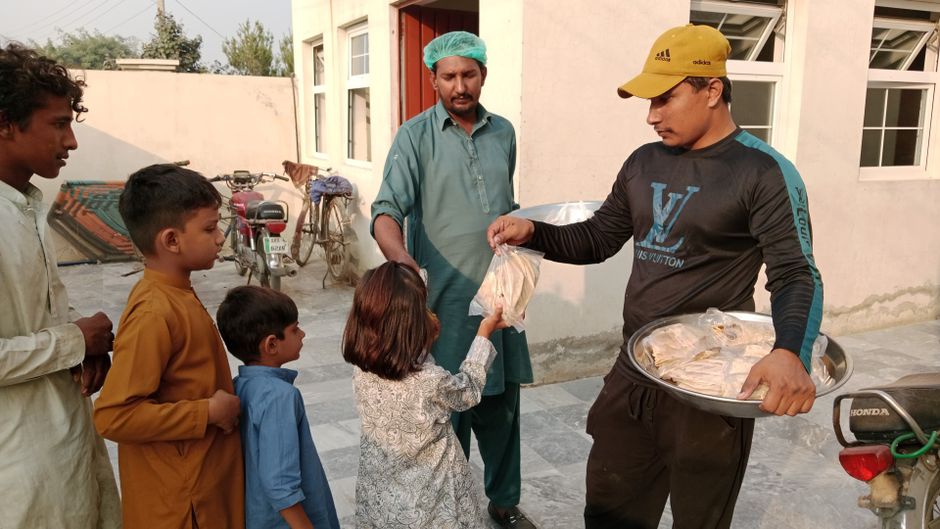
Charity and giving (Zakat and Sadaqah) hold great importance in this month. Muslims are encouraged to help those in need by donating money, food, or other essentials. The concept of giving is deeply rooted in Islam, and Ramazan serves as an opportunity for believers to fulfill their religious obligation to assist the less privileged.
Ramazan is not just about physical abstinence but also about spiritual purification. Muslims are encouraged to control their anger, avoid gossip, and strengthen their character. The essence of this month is self-restraint, patience, and an effort to become closer to Allah. It is a time for self-reflection, asking for forgiveness, and seeking guidance in life.
The end of Ramazan is marked by Eid-ul-Fitr, a joyous festival celebrated by Muslims around the world. It is a day of thanksgiving to Allah for granting the strength to complete the fasts. The day begins with a special Eid prayer, followed by feasts, family gatherings, and acts of charity. It is a time of happiness and unity, bringing people together regardless of their social or economic status.
Ramazan is a month of immense blessings, spiritual renewal, and self-discipline.
It is a time for Muslims to strengthen their faith, engage in good deeds, and cultivate a sense of compassion for others. By observing fasting, prayer, and charity, Muslims aim to purify their hearts and souls, drawing closer to Allah and embracing the true essence of Islam.
Ramazan, also known as Ramadan, is the holiest month in the Islamic calendar, observed by Muslims worldwide as a time of fasting, prayer, reflection, and community. It is the ninth month of the Islamic lunar calendar and is believed to be the month in which the Holy Quran was revealed to Prophet Muhammad (PBUH). The significance of Ramazan goes beyond just refraining from food and drink; it is a period of self-discipline, spiritual growth, and devotion to Allah.





Comments 0
Sign in to join the conversation.
No comments yet. Be the first to say something.