

The Rich Cultural Heritage of Pakistan
Pakistan, a land of diverse landscapes and traditions, is home to a rich cultural heritage that dates back thousands of years. From the ancient Indus Valley Civilization to the Mughal Empire and the modern-day cultural festivals, Pakistan's heritage is a blend of history, art, music, and architecture. This deep-rooted cultural richness makes Pakistan one of the most fascinating countries in South Asia.
Historical Significance
The cultural heritage of Pakistan can be traced back to the Indus Valley Civilization, which flourished around 2500 BCE in areas that are now part of Punjab and Sindh. Mohenjo-Daro and Harappa, two of the most significant archaeological sites in the country, showcase the advanced urban planning and craftsmanship of that era. The civilization had well-structured cities, a sophisticated drainage system, and a unique script, which still remains undeciphered.
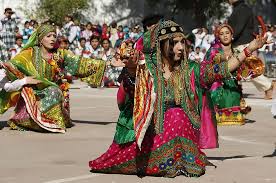
Later, Pakistan became a hub for various dynasties, including the Mauryans, the Greeks under Alexander the Great, and the Islamic caliphates. However, the Mughal Empire left the most significant mark on Pakistan’s culture, with its splendid architectural marvels such as the Badshahi Mosque, Lahore Fort, and Shalimar Gardens.
Diverse Traditions and Festivals
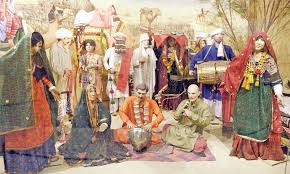
Pakistan is a country of multiple ethnic groups, including Punjabis, Sindhis, Baloch, Pashtuns, and Kashmiris, each with its unique customs and traditions. These diverse groups celebrate numerous festivals throughout the year.
Eid-ul-Fitr and Eid-ul-Adha are the most widely celebrated Islamic festivals, bringing people together for prayers, feasts, and charity. Additionally, cultural events like Basant, the spring kite-flying festival, are particularly popular in Punjab, while Sindh celebrates Sindhi Ajrak Day to honor its traditional block-printed shawls. The Kalash people of Chitral hold the Chilam Joshi festival to mark the arrival of spring, showcasing their distinct dances and music.
Music and Arts
Pakistan has a rich tradition of music and art that has evolved over centuries. Qawwali, a form of Sufi devotional music, gained international fame through legendary singers like Nusrat Fateh Ali Khan and Abida Parveen. The folk music of different regions, such as Sindhi Sufi songs, Balochi Leva dance music, and Punjabi Bhangra, adds to the diversity of Pakistan’s musical heritage.
In the field of art, truck art is one of Pakistan’s most recognizable cultural symbols. Vibrantly painted trucks and buses with intricate floral patterns, calligraphy, and poetic verses reflect the artistic skills of local painters. The art scene in Pakistan also includes miniature painting, calligraphy, and modern visual arts that blend contemporary styles with traditional influences.
Architectural Marvels
Pakistan's architectural landscape is a blend of Islamic, Mughal, and modern influences. The Lahore Fort, Shah Jahan Mosque in Thatta, and Makli Necropolis in Sindh are UNESCO World Heritage sites that reflect the grandeur of past civilizations. The Faisal Mosque in Islamabad is a modern architectural masterpiece, symbolizing the fusion of contemporary design with Islamic traditions.
Pakistan’s cultural heritage is a testament to its rich history and diverse traditions. From ancient ruins to vibrant festivals, soulful music, and artistic expressions, the country offers a deep connection to its past while embracing modern influences. Preserving and celebrating this heritage is crucial for future generations, ensuring that Pakistan’s cultural legacy remains alive for years to come.

Comments 0
Sign in to join the conversation.
No comments yet. Be the first to say something.