


Fashion is more than just fabric and design. it’s a language that speaks volumes about who we are. The clothes we wear can reveal our personality, values, culture, and even our mood. They serve as a medium of self-expression, allowing us to communicate without saying a word. But why do we choose certain styles over others, and what do those choices say about our identity?
This article delves into the psychology of fashion, exploring how clothing choices reflect personal identity, influence perception, and shape our interactions with the world.

1. Clothing as Self-Expression
Our wardrobe is a canvas where we paint our individuality. The colors, patterns, and styles we choose reflect aspects of our personality and how we wish to be perceived.
Key Aspects of Clothing and Identity:
- Personality: Bold patterns and vibrant colors often indicate a confident and outgoing personality, while neutral tones may suggest a preference for minimalism and sophistication.
- Mood: Clothing can be a reflection of how we feel. Bright colors might signal happiness, while darker shades can indicate introspection or sadness.
- Values: Choices such as sustainable fashion or wearing cultural attire showcase personal values and affiliations.
Psychological Insight:
Studies show that people feel more authentic and confident when they wear clothes that align with their self-image. This phenomenon, known as “enclothed cognition,” highlights how clothing influences our mindset and behavior.
2. The Role of Culture in Fashion
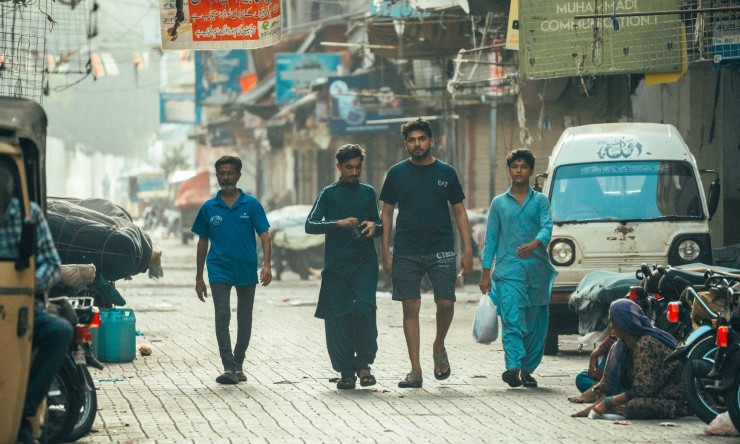
Cultural influences play a significant role in shaping our fashion choices. From traditional attire to modern streetwear, clothing often represents the history, traditions, and social norms of a culture.
Cultural Expressions Through Fashion:
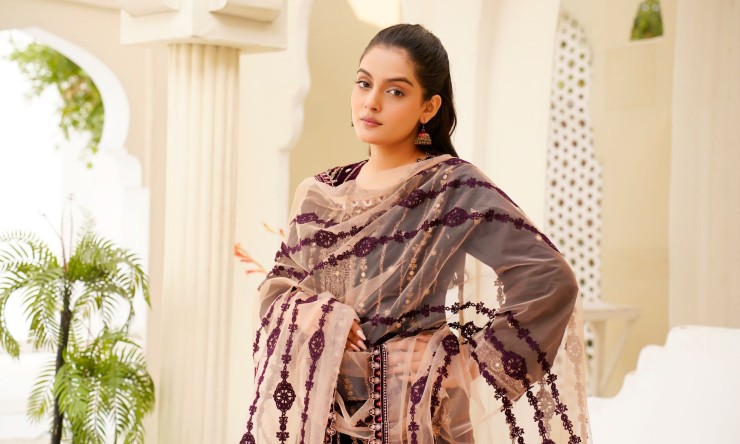
- Traditional Wear: Clothing such as saris, kimonos, or dashikis reflects cultural heritage and pride.
- Subcultures: Punk, hip-hop, and goth fashion are examples of subcultures using clothing to make statements about their values and beliefs.
- Global Influence: With globalization, cultural fashion is increasingly blending, allowing individuals to experiment with styles from around the world.
Psychological Insight:
Clothing rooted in culture can evoke a sense of belonging and identity, reinforcing connections to one’s roots or chosen community.
3. Fashion and Social Perception
The clothes we wear influence how others perceive us, impacting social interactions and professional opportunities. First impressions are often based on appearance, and fashion plays a significant role in shaping those perceptions.
Fashion as a Social Tool:
- Professional Attire: Suits, blazers, and formal wear convey authority, competence, and professionalism.
- Casual Wear: Relaxed clothing like jeans and t-shirts suggests approachability and a laid-back demeanor.
- Luxury Fashion: Designer brands and luxury items can project success, wealth, or a desire for exclusivity.
Psychological Insight:
People tend to assign attributes such as intelligence, trustworthiness, and status based on clothing. This makes fashion a powerful tool for shaping impressions in both personal and professional settings.
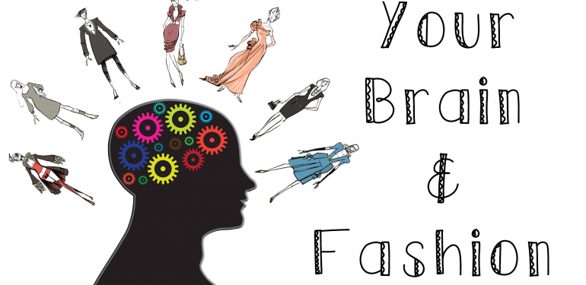
4. The Emotional Impact of Fashion
Fashion is not just about aesthetics; it has a profound emotional impact. The act of dressing up or experimenting with styles can boost self-esteem and foster creativity.
Fashion and Emotional Well-Being:
- Confidence Booster: Wearing clothes that fit well and align with your style preferences can elevate your confidence.
- Mood Enhancement: Bright, cheerful colors or comfortable fabrics can positively influence your mood.
- Self-Care: Taking the time to dress intentionally can be a form of self-care, reflecting pride in your appearance.
Psychological Insight:
Dressing in a way that aligns with your desired self-image can create a positive feedback loop, improving mood and reinforcing self-identity.
5. Fashion and Identity Evolution
Our fashion choices often evolve as we grow, reflecting changes in our identity, lifestyle, and priorities.
Key Factors in Fashion Evolution:
- Life Stages: Transitioning from student life to professional life often brings a shift from casual to formal attire.
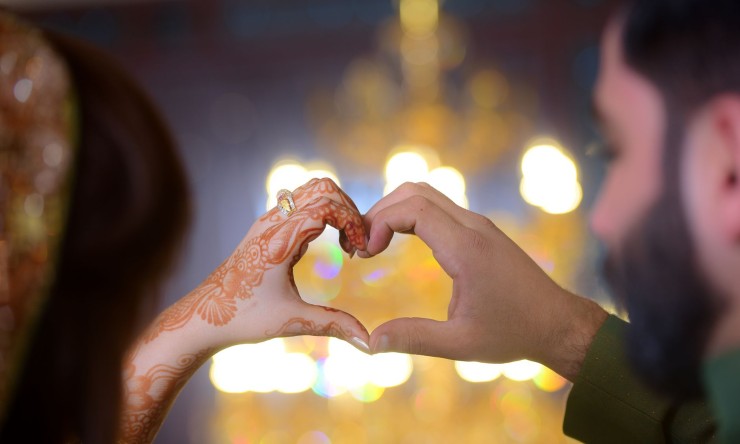
- Significant Events: Milestones such as weddings, promotions, or parenthood can influence how we dress.
- Personal Growth: As people discover their true selves, their fashion choices often become more authentic and aligned with their core identity.
Psychological Insight:
Fashion acts as a visual diary, documenting the evolution of our identity over time.
6. The Future of Fashion and Identity
As fashion becomes increasingly inclusive and diverse, it offers more opportunities for people to express themselves authentically. Gender-neutral clothing, sustainable fashion, and customizable designs are shaping the future of how we use clothing to reflect our identity.
Emerging Trends:
- Gender Fluidity: Breaking traditional gender norms, fashion is embracing a spectrum of identities.
- Sustainability: Eco-conscious choices reflect values of environmental responsibility.
- Personalization: Technology is enabling customized clothing, allowing individuals to wear pieces that resonate uniquely with them.
Psychological Insight:
The democratization of fashion empowers people to craft an identity that is true to themselves, free from societal constraints.

Conclusion.
Fashion is a powerful form of self-expression and identity. It goes beyond aesthetics to communicate our values, personality, and aspirations to the world. By understanding the psychology behind our clothing choices, we can make more intentional decisions that reflect who we are and who we aspire to be. Whether it’s embracing cultural heritage, projecting confidence, or simply finding joy in creativity, fashion offers endless possibilities to tell our story.

Comments 0
Sign in to join the conversation.
No comments yet. Be the first to say something.