


Social media has revolutionized the fashion industry, creating a dynamic relationship between designers, influencers, and consumers. Platforms like Instagram, TikTok, and Pinterest have reshaped how trends are born, shared, and embraced. No longer confined to runways or glossy magazines, fashion trends now emerge, evolve, and gain momentum in real-time, accessible to a global audience at the tap of a screen.
This article explores the profound impact of social media on fashion, highlighting how it has democratized style, accelerated trend cycles, and reshaped consumer behavior.
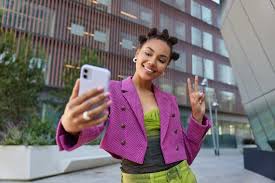
1. Democratizing Fashion: Style for Everyone
Before the rise of social media, fashion trends were largely dictated by luxury brands, industry insiders, and seasonal runway shows. Social media has shifted the power dynamic, allowing anyone with a smartphone to become a trendsetter.
Key Changes:
- Accessibility: High fashion, once exclusive to elite circles, is now visible to anyone online, inspiring broader participation in style.
- Influencer Culture: Bloggers, YouTubers, and Instagram influencers have become pivotal in shaping trends, often eclipsing traditional celebrities.
- User-Generated Content: Platforms like TikTok enable everyday users to showcase their creativity, sparking grassroots trends that can go viral overnight.
2. Accelerating the Trend Cycle
Social media has dramatically sped up the lifecycle of fashion trends. What used to take months to trickle down from runways to retail now happens in days, thanks to instant sharing and viral content.
Fast Trend Creation:
- Runway to Instagram: A look debuted at Fashion Week can become a global trend within hours as images are shared across platforms.
- Micro-Trends: Smaller, niche trends (e.g., cottagecore, Y2K, or dopamine dressing) gain traction quickly, creating diverse fashion movements.
Challenges of Fast Fashion:
- The demand for quick trend replication has fueled fast fashion, raising concerns about sustainability, ethical practices, and waste.
3. The Role of Influencers and Celebrities
Influencers and celebrities wield immense power on social media, driving sales and dictating what’s in vogue.
Influencer Marketing:
- Authenticity: Influencers build trust with their followers, making their endorsements more impactful than traditional advertisements.
- Collaborations: Partnerships between brands and influencers create limited-edition collections that often sell out in minutes.
Celebrity Power:
- Stars like Rihanna, Zendaya, and Kylie Jenner amplify trends with a single post, turning their outfits into instant must-haves.
4. Visual Platforms as Fashion Hubs
Visual-centric platforms like Instagram and Pinterest have become virtual fashion runways, showcasing diverse styles and inspiring users globally.
Instagram:
- Hashtags: Trends like #OOTD (Outfit of the Day) and #StreetStyle connect millions of users, creating global style communities.
- Reels and Stories: These features allow for dynamic storytelling, making fashion more interactive and engaging.
TikTok:
- Viral Challenges: Fashion-related challenges, such as the #GucciModelChallenge, highlight creativity while boosting brand visibility.
- Discoverability: TikTok’s algorithm promotes unique content, giving smaller creators a platform to shine.
Pinterest:
- Mood Boards: Users curate boards for outfit ideas, wedding styles, or seasonal looks, influencing broader design trends.

5. Consumer Behavior in the Age of Social Media
Social media has transformed the way consumers discover, shop for, and engage with fashion.
Instant Shopping:
- Shoppable Posts: Platforms like Instagram integrate shopping features, allowing users to purchase items directly from their feed.
- Live Shopping Events: Brands host live streams showcasing products, blending entertainment with e-commerce.
Demand for Transparency:
- Consumers now expect brands to showcase ethical practices, sustainability, and inclusivity through their social media presence.
Influence of Reviews:
- Online reviews, unboxings, and try-on videos help consumers make informed purchasing decisions.
6. Redefining Fashion Campaigns
Social media has reshaped how brands market their collections, moving away from traditional advertisements to interactive and inclusive campaigns.
User Participation:
- Brands encourage user-generated content, like styling challenges, to promote engagement.
- Examples include the viral success of campaigns such as #MyCalvins by Calvin Klein.
Inclusivity and Representation:
- Social media pushes brands to be more diverse in their marketing, featuring models of different ethnicities, sizes, and abilities.
7. Challenges of Social Media in Fashion
While social media has brought numerous benefits to the fashion world, it also presents challenges.
Overconsumption:
- The pressure to keep up with ever-changing trends can lead to unsustainable shopping habits.
Mental Health Impacts:
- The curated perfection of social media can foster unrealistic beauty and lifestyle expectations.
Cultural Appropriation:
- Fashion brands must navigate the fine line between cultural inspiration and appropriation, as audiences on social media are quick to call out missteps.
8. The Future of Social Media and Fashion
The relationship between social media and fashion will only deepen, with emerging technologies like augmented reality (AR) and virtual fashion experiences reshaping how we engage with style.
Emerging Trends:
- Virtual Try-Ons: AR technology allows consumers to see how clothes will look on them before buying.
- Digital Fashion: Virtual clothing for avatars in gaming and metaverse platforms is gaining popularity.
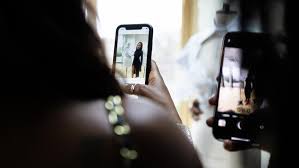
Conclusion.
Social media has fundamentally changed the way fashion trends are created, consumed, and celebrated. By democratizing access, accelerating trend cycles, and giving a voice to diverse creators, it has transformed fashion into a global dialogue. However, with this power comes responsibility—for brands, influencers, and consumers—to prioritize sustainability, authenticity, and inclusivity.


Comments 0
Sign in to join the conversation.
No comments yet. Be the first to say something.