


Fashion is a dynamic reflection of culture, art, politics, and society. From corsets to crop tops, each decade leaves its unique stamp on the world of style. Exploring the history of fashion reveals not only how our tastes have evolved but also how trends echo the spirit of their time.
This article takes you on a journey through the defining styles of the 20th and 21st centuries, showcasing how iconic trends have shaped the fashion landscape.

1920s: The Roaring Twenties and Flapper Fashion
The 1920s marked a radical shift in women's fashion. Known as the Roaring Twenties, this decade celebrated liberation, modernity, and excess.
Key Trends:
- Flapper Dresses: Short, fringed dresses epitomized freedom and rebellion, breaking away from the restrictive corsets of previous eras.
- Art Deco Influence: Geometric patterns and luxurious embellishments mirrored the artistic movement of the time.
- Accessories: Cloche hats, long pearl necklaces, and feathered headbands completed the look.
Cultural Influence:
The flapper style was symbolic of women gaining the right to vote, increased independence, and a shift toward a more liberated society.
1930s: Elegance Amidst Hardship
The Great Depression influenced the 1930s fashion, leading to more practical and understated styles, though elegance remained a priority.
Key Trends:
- Bias-Cut Dresses: These figure-hugging designs by Madeleine Vionnet offered a sleek and feminine silhouette.
- Soft Fabrics: Silks and satins dominated evening wear, creating a glamorous, flowing look.
- Tailored Suits: For both men and women, suits became a staple, reflecting a more conservative and utilitarian approach.
Cultural Influence:
Despite economic struggles, Hollywood glamour, embodied by stars like Greta Garbo, continued to inspire elegant and timeless fashion.
1940s: Wartime Utility and Post-War Revival
World War II brought rationing, which significantly impacted fashion. However, the decade ended with a resurgence of luxury and femininity.
Key Trends:
- Utility Clothing: Dresses with shorter hemlines, padded shoulders, and functional pockets were practical and efficient.
- Victory Rolls: Women’s hairstyles became iconic symbols of the era.
- Christian Dior’s “New Look”: In 1947, Dior revolutionized fashion with cinched waists, full skirts, and an emphasis on femininity.
Cultural Influence:
The war inspired practical, durable clothing, while Dior's "New Look" symbolized a return to prosperity and glamour.
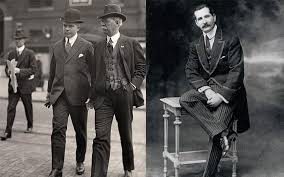
1950s: Rock 'n' Roll and Hourglass Silhouettes
The 1950s celebrated prosperity and idealized femininity, emphasizing structured, hourglass shapes.
Key Trends:
- Full Skirts: Circle skirts paired with fitted tops and petticoats were the epitome of style.
- Rockabilly Fashion: Leather jackets, jeans, and polka dots reflected the rise of rock 'n' roll.
- Casual Wear: Capri pants, cardigans, and flats emerged as everyday staples.
Cultural Influence:
The post-war boom brought optimism and consumerism, with Hollywood and music stars heavily influencing trends.
1960s: Mod, Hippies, and Cultural Revolution
The 1960s were a time of radical change and experimentation, driven by youth culture and political upheaval.
Key Trends:
- Mod Style: Bright colors, geometric patterns, and mini skirts, popularized by icons like Twiggy.
- Bohemian Looks: Long, flowing dresses, fringe, and floral prints defined the late-60s hippie aesthetic.
- Go-Go Boots: Knee-high white boots became a hallmark of mod fashion.
Cultural Influence:
The decade’s fashion mirrored the countercultural movements of civil rights, feminism, and anti-war protests.
1970s: Disco and Boho Chic
The 1970s embraced individuality, with fashion trends ranging from glamorous disco looks to laid-back bohemian styles.
Key Trends:
- Bell-Bottoms: Wide-legged pants were a must-have for both men and women.
- Platform Shoes: High platforms paired with bold, glittery outfits for disco nights.
- Bohemian Influence: Flowing maxi dresses, embroidered tops, and suede jackets defined the era’s free-spirited vibe.
Cultural Influence:
The rise of disco culture and the environmental movement shaped the diverse fashion of the 1970s.
1980s: Excess and Power Dressing
The 1980s were all about bold statements, loud colors, and oversized silhouettes. It was a decade of extravagance and self-expression.
Key Trends:
- Power Suits: Padded shoulders and tailored designs emphasized authority and success.
- Neon and Spandex: Fitness culture influenced everyday fashion, leading to vibrant and stretchy materials.
- Preppy Style: Polo shirts, blazers, and loafers reflected wealth and sophistication.
Cultural Influence:
Pop icons like Madonna and Michael Jackson set trends, while the corporate boom influenced the rise of power dressing.
1990s: Minimalism and Grunge
The 1990s marked a shift toward laid-back and understated fashion, contrasting with the excess of the previous decade.
Key Trends:
- Grunge Style: Plaid shirts, ripped jeans, and combat boots were popularized by bands like Nirvana.
- Minimalism: Slip dresses, neutral tones, and simple silhouettes dominated the fashion scene.
- Streetwear: Baggy jeans, graphic tees, and sneakers reflected the influence of hip-hop culture.
Cultural Influence:
The rise of alternative music, tech advancements, and a focus on individuality shaped the decade’s diverse trends.
2000s: Y2K and Celebrity Influence
The turn of the millennium brought futuristic designs and a heavy focus on celebrity-inspired fashion.
Key Trends:
- Y2K Aesthetic: Metallic fabrics, low-rise jeans, and tiny sunglasses were hallmarks of early 2000s style.
- Logo Mania: Designer logos became status symbols, displayed prominently on clothing and accessories.
- Boho Revival: Flowing skirts, crochet tops, and layered necklaces, inspired by stars like Sienna Miller.
Cultural Influence:
Reality TV, social media, and celebrity culture played a massive role in defining trends.
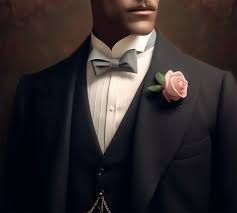
2010s to Today: Inclusivity and Sustainability
The 2010s embraced a mix of nostalgia, innovation, and a focus on sustainability, with trends continuing to evolve today.
Key Trends:
- Athleisure: Combining comfort and style, yoga pants and sneakers became everyday essentials.
- Gender-Neutral Fashion: Breaking traditional norms, unisex clothing gained popularity.
- Sustainable Fashion: Ethical and eco-friendly choices became a priority for consumers.
Cultural Influence:
Technology, global awareness, and a desire for authenticity are driving today’s fashion landscape.
Conclusion.
Fashion is a mirror of our collective identity, reflecting the zeitgeist of each era. From the flapper dresses of the 1920s to the gender-neutral and sustainable trends of today, fashion continues to evolve, shaping and being shaped by society. As we look to the future, one thing is certain: fashion will always be a vibrant and dynamic expression of who we are.

Comments 0
Sign in to join the conversation.
No comments yet. Be the first to say something.