

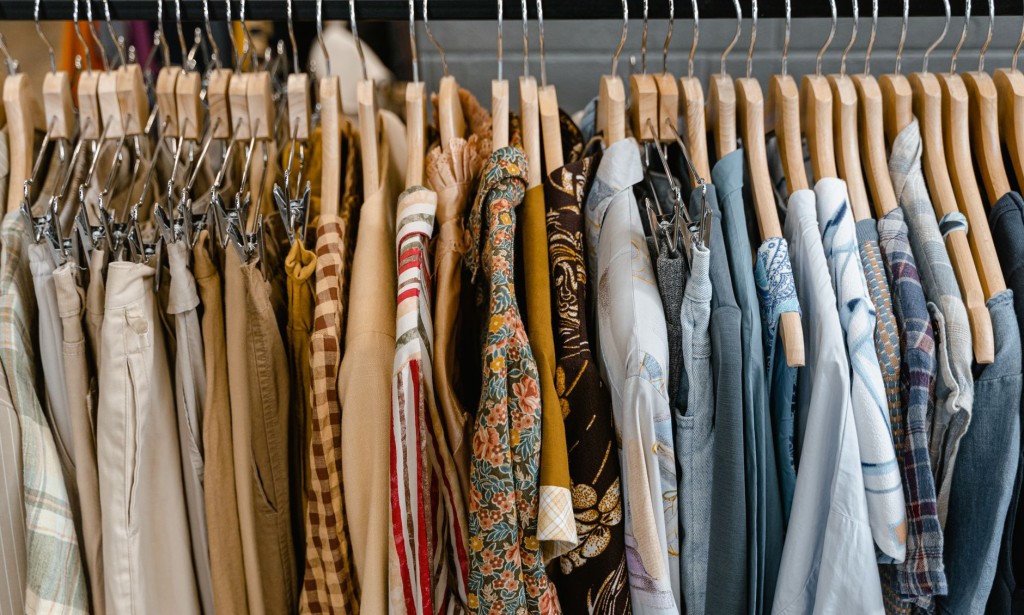
Fashion is often described as cyclical.
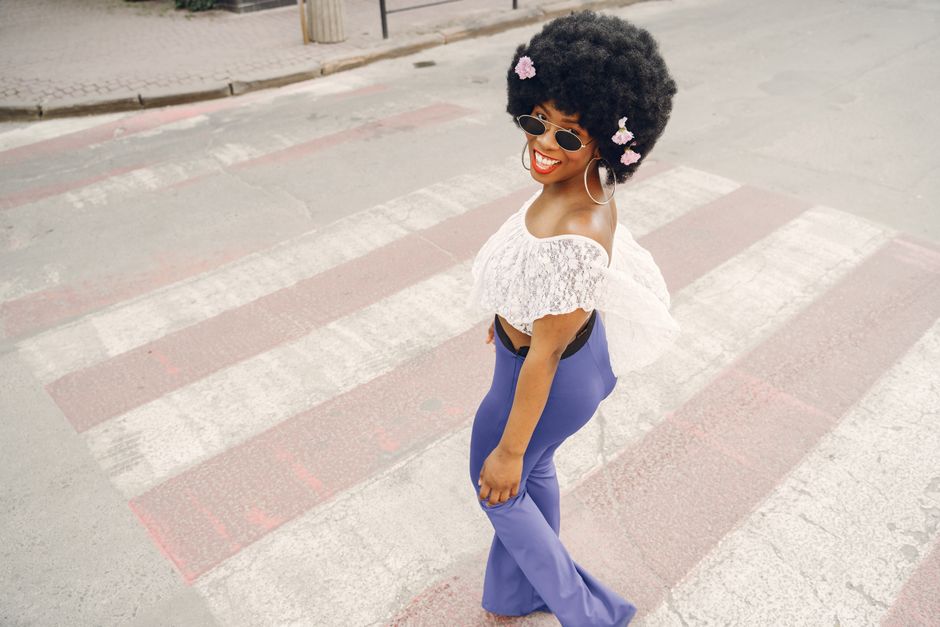
with trends reemerging and reinventing themselves over time. From flared pants of the 1970s making a comeback in modern wardrobes to vintage accessories gaining renewed popularity, the fashion world constantly revisits its past. This phenomenon reflects not only a love for nostalgia but also a creative reinterpretation of classic styles to fit contemporary contexts.
This article delves into the fascinating cycle of fashion trends, exploring why and how styles from previous decades return, and how designers and consumers alike participate in this reinvention process.
The Nature of Fashion Cycles
Fashion trends typically follow a predictable pattern known as the fashion cycle. This cycle involves five stages:
- Introduction: A trend debuts on runways or among niche influencers.
- Rise: The trend gains popularity, often seen in high fashion and early adopters.
- Peak: The trend becomes mainstream, appearing in fast fashion stores and daily wear.
- Decline: Oversaturation leads to decreased interest.
- Obsolescence or Reinvention: The trend fades, only to be revived years later with a modern twist.
Why Trends Resurface
1. Nostalgia
Nostalgia plays a significant role in the resurgence of trends. People often feel drawn to the styles they grew up with or associate with a "golden age." Designers capitalize on these emotional connections to bring retro aesthetics back into the limelight.
2. Sustainability
As sustainability becomes a priority, the focus on reusing and recycling has increased. Vintage fashion and secondhand shopping allow for a revival of older trends while reducing environmental impact.
3. Cultural Movements
Historical styles often resurface during similar cultural movements. For instance, the bohemian trends of the 1970s returned during the early 2000s as a response to rising environmental awareness.
4. Pop Culture Influence
Movies, TV shows, and celebrity endorsements can reignite interest in past styles. A period drama set in the 1980s or a pop star donning 1990s streetwear can spark a new wave of admiration for those decades.
Examples of Fashion Trends Making a Comeback
1. 1970s Boho-Chic
- Original Style: Flowing maxi dresses, fringe jackets, and bell-bottoms were iconic in the 1970s.
- Modern Twist: Today’s boho styles often feature eco-friendly fabrics and subtle patterns, blending comfort with sustainability.
2. 1980s Power Dressing
- Original Style: Bold colors, padded shoulders, and tailored suits symbolized authority and ambition.
- Modern Twist: Today’s power dressing incorporates sleek designs, gender-neutral cuts, and softer colors, maintaining the essence of confidence.
3. 1990s Grunge
- Original Style: Plaid shirts, ripped jeans, and combat boots defined the grunge era.
- Modern Twist: Current grunge-inspired outfits often mix the raw aesthetic with polished elements like fitted silhouettes or high-end materials.
4. Y2K Aesthetic
- Original Style: Metallics, low-rise jeans, and chunky sneakers were staples of the early 2000s.
- Modern Twist: The Y2K revival emphasizes bold colors and nostalgia but pairs them with contemporary comfort, like high-waisted jeans or minimalistic accessories.

The Role of Designers in Reinvention
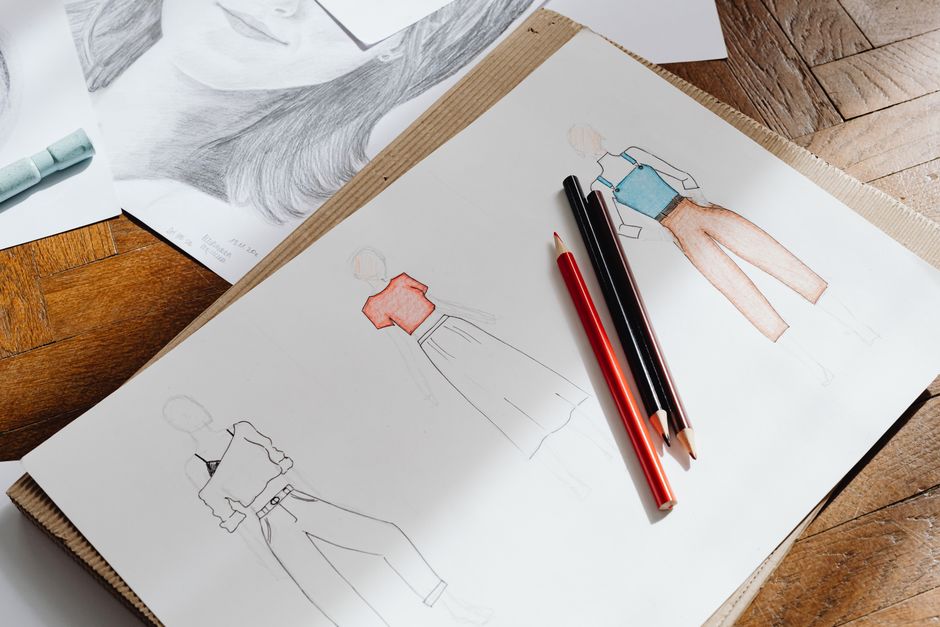
Fashion designers often draw inspiration from previous decades to create collections that feel both familiar and innovative. By reinterpreting classic designs with modern materials, cuts, and cultural relevance, they breathe new life into old trends.
Key Techniques:
- Updating Fabrics: Incorporating sustainable or high-performance materials.
- Innovative Cuts: Redefining silhouettes to suit modern body types and lifestyles.
- Mixing Eras: Blending elements from different decades for a fresh, eclectic look.
Consumer Participation in Trend Cycles
Modern consumers actively shape the cycle of trends through:
- Social Media: Platforms like Instagram and TikTok amplify the popularity of vintage styles, allowing trends to spread quickly.
- Thrift Shopping: The growing popularity of thrift and vintage stores drives demand for older styles, bringing them back into mainstream fashion.
- DIY Culture: Many individuals personalize vintage clothing, merging old trends with new ideas.
The Impact of Technology on Fashion Cycles
Technology has accelerated the pace at which trends return and evolve. Digital archives, fashion blogs, and social media give people access to historical styles, inspiring designers and consumers alike. Virtual reality (VR) and augmented reality (AR) are also enabling brands to experiment with retro designs in innovative ways.
Balancing Nostalgia and Innovation
While fashion often looks to the past, it must also innovate to remain relevant. Successful reinventions balance nostalgia with modernity, ensuring that revived trends feel fresh rather than dated.
Key Strategies:
- Cultural Sensitivity: Adapting designs to fit contemporary values and societal norms.
- Functionality: Ensuring that styles cater to current lifestyles and comfort needs.
- Versatility: Creating timeless pieces that can transcend trends.
Conclusion.
The cyclical nature of fashion highlights the industry's ability to evolve while staying connected to its roots. As old trends reemerge, they offer a sense of familiarity while being reimagined for a new generation. By blending nostalgia, creativity, and sustainability, the fashion world continues to reinvent itself, proving that style truly knows no bounds.


Comments 0
Sign in to join the conversation.
No comments yet. Be the first to say something.