


Table of Contents
- Understanding the Philosophy of Minimalism
- Decluttering Your Physical Space
- Simplifying Your Daily Routine
- Adopting a Minimalist Mindset
- Financial Minimalism: Spending with Purpose
- Digital Minimalism: Reducing Digital Clutter
- Cultivating Meaningful Relationships Over Materialism
- Maintaining a Minimalist Lifestyle
1. Understanding the Philosophy of Minimalism
Minimalism is often misunderstood as simply owning fewer things, but at its core, it’s about making room for what truly matters. This lifestyle encourages intentional choices that align with personal values, helping individuals break free from the pressures of consumerism.
The minimalist philosophy varies from person to person—some practice extreme minimalism by owning very few possessions, while others focus on simplifying their schedules, finances, and digital lives. The key principle is eliminating excess to create more space for meaningful experiences and peace of mind.
By embracing minimalism, you can shift your focus from material possessions to personal growth, relationships, and overall well-being.

2. Decluttering Your Physical Space
One of the most effective ways to begin your minimalist journey is by decluttering your home. A cluttered space often leads to mental chaos, stress, and decreased productivity.
Start with small steps, such as the "One-Year Rule"—if you haven’t used an item in the past year, consider donating or discarding it. The KonMari method encourages individuals to keep only items that "spark joy."
Once you’ve decluttered, adopt mindful purchasing habits. Before buying something new, ask yourself whether it truly serves a purpose or adds unnecessary clutter to your space.

3. Simplifying Your Daily Routine
A minimalist lifestyle extends beyond physical possessions—it also applies to how you structure your day. Overcomplicated routines and endless to-do lists can lead to burnout and stress.
To simplify, focus on essential daily habits that bring value to your life. Prioritize tasks based on importance rather than urgency, and embrace the concept of "slow living"—being fully present in your daily experiences instead of rushing through them.
By minimizing decision fatigue and reducing unnecessary commitments, you create space for activities that genuinely enrich your life.

4. Adopting a Minimalist Mindset
A minimalist mindset is about letting go of the belief that "more is better." Instead, it focuses on contentment, mindfulness, and purpose.
Practicing gratitude and mindfulness helps shift your focus from what you lack to what you already have. A simple way to cultivate this is through daily journaling, where you note things you appreciate in your life.
Minimalism isn’t about deprivation—it’s about intentionality. When you choose quality over quantity in all areas of life, you enhance your overall well-being.

5. Financial Minimalism: Spending with Purpose
Minimalism can also transform the way you handle money. Instead of spending impulsively, focus on intentional spending—purchasing only what adds value to your life.
Creating a budget aligned with your priorities ensures financial stability and reduces stress. Avoid lifestyle inflation by focusing on experiences rather than material possessions.
By cutting out unnecessary expenses and embracing frugality, you gain financial freedom, allowing you to invest in meaningful experiences and long-term security.
6. Digital Minimalism: Reducing Digital Clutter
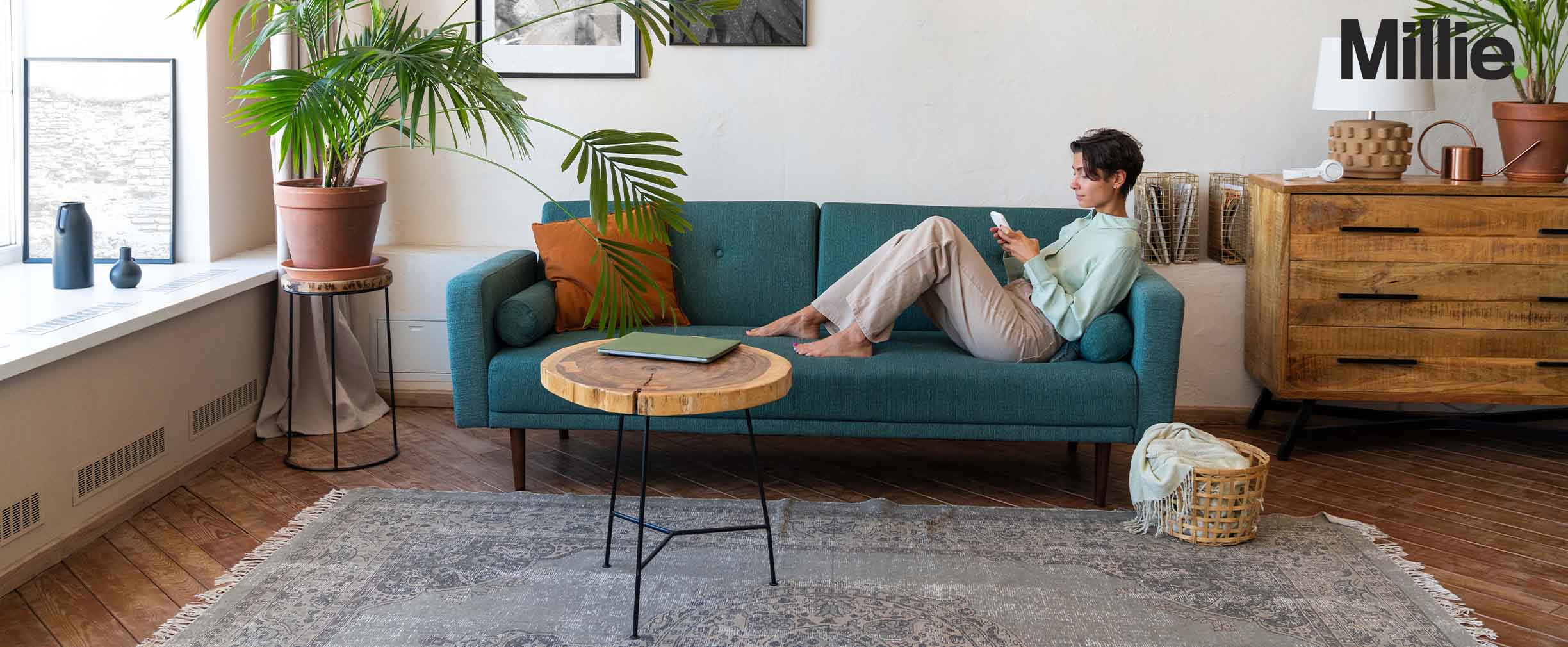
In today’s technology-driven world, digital clutter can be as overwhelming as physical clutter. Excessive screen time, endless notifications, and social media distractions can drain your mental energy.
A digital detox—such as decluttering your inbox, limiting social media use, and organizing digital files—can help restore focus and peace of mind.
Unsubscribing from unnecessary emails and setting boundaries on device usage can help you regain control over your time and attention.
7. Cultivating Meaningful Relationships Over Materialism
Minimalism encourages valuing relationships over possessions. True happiness comes from meaningful connections rather than accumulating material wealth.
Prioritize quality time with loved ones instead of focusing on consumer-driven social status. Let go of toxic relationships that drain your energy and surround yourself with people who bring positivity and growth into your life.
Minimalism teaches that the best things in life—love, experiences, and personal growth—can’t be bought.

8. Maintaining a Minimalist Lifestyle
Sustaining minimalism requires consistency and mindfulness. Regularly re-evaluate your possessions, commitments, and digital habits to ensure they align with your values.
Adopting a "one in, one out" rule (removing one item for every new one acquired) can help maintain a clutter-free lifestyle.
Remember, minimalism is a journey, not a destination. It’s about making conscious choices daily to create a simpler, more intentional life.





Comments 0
Sign in to join the conversation.
No comments yet. Be the first to say something.