

1. Understanding Lifestyle: What Defines the Way We Live?
Lifestyle encompasses the habits, behaviors, and choices that shape how we experience daily life. It is influenced by factors such as culture, environment, personal values, and socioeconomic conditions.
Our lifestyle choices impact everything from our physical health to emotional well-being, productivity, and interpersonal relationships. Recognizing the importance of intentional living can inspire individuals to align their habits with their goals and values.
2. The Importance of Physical and Mental Wellness
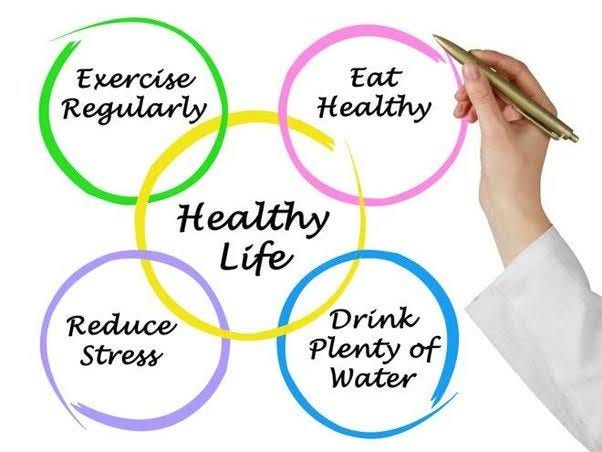
Health is the foundation of a fulfilling lifestyle. Prioritizing physical and mental wellness involves:
- Regular Exercise: Improving cardiovascular health, strength, and endurance.
- Mindfulness Practices: Incorporating meditation and relaxation techniques to reduce stress.
- Adequate Sleep: Supporting cognitive function and overall health with 7-9 hours of rest.
- Mental Health Support: Seeking therapy or counseling when needed.
When wellness is prioritized, individuals are better equipped to handle life’s challenges and maintain a positive outlook.
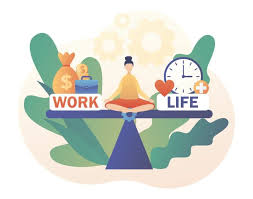
3. Work-Life Balance: Achieving Harmony in a Fast-Paced World
Balancing professional responsibilities with personal life is essential for long-term satisfaction. Strategies for achieving this balance include:
- Setting Boundaries: Clearly defining work hours and personal time.
- Delegating Tasks: Reducing stress by sharing responsibilities at work and home.
- Pursuing Hobbies: Engaging in activities that bring joy and relaxation.
- Practicing Time Management: Using tools to prioritize and schedule tasks effectively.
Work-life harmony promotes productivity, reduces burnout, and enhances overall happiness.
4. Nutrition and Fitness: Building Blocks of a Healthy Lifestyle
A balanced diet and regular physical activity are cornerstones of a healthy lifestyle. Key principles include:
- Whole Foods: Choosing fresh, minimally processed ingredients for meals.
- Hydration: Drinking sufficient water to maintain bodily functions.
- Exercise Variety: Combining strength training, cardio, and flexibility exercises.
- Mindful Eating: Paying attention to hunger cues and savoring meals.
Consistent effort in these areas leads to improved energy levels, weight management, and reduced risk of chronic diseases.

5. The Role of Technology in Modern Living
Technology significantly influences how we live, offering both opportunities and challenges:
- Convenience: Smart devices and apps streamline daily tasks.
- Connectivity: Social media and communication tools bridge physical distances.
- Health Tracking: Wearable technology monitors fitness and health metrics.
- Screen Time Management: Limiting exposure to screens to avoid digital fatigue.
Balancing technology use ensures it enhances, rather than detracts from, a healthy lifestyle.

6. Cultivating Meaningful Relationships and Social Connections
Strong relationships are vital for emotional well-being and personal growth. Steps to nurture connections include:
- Quality Time: Spending time with loved ones without distractions.
- Effective Communication: Expressing thoughts and feelings openly.
- Community Engagement: Participating in local events or volunteering.
- Building Empathy: Understanding and respecting others’ perspectives.
Healthy social connections provide support, foster belonging, and enrich life experiences.
7. The Future of Lifestyle Trends: Sustainability and Minimalism
Emerging trends highlight a shift toward more mindful and sustainable living:
- Minimalism: Emphasizing simplicity and decluttering physical and mental spaces.
- Eco-Friendly Practices: Adopting habits that reduce environmental impact.
- Holistic Wellness: Integrating physical, mental, and spiritual health.
- Flexible Living: Adapting to remote work and nomadic lifestyles.
By embracing these trends, individuals can align their lifestyles with values that promote well-being and environmental consciousness.


You must be logged in to post a comment.