


The Art of Creating a Peaceful and Meaningful Everyday Life
Modern life has become increasingly busy. People spend most of their time working, using mobile phones, completing responsibilities, and thinking about future goals. Although technology has made many things easier, it has also made everyday life more stressful. Many people forget to enjoy simple moments because they are always rushing toward the next task. Creating a peaceful and meaningful everyday life is not about having expensive things or living without responsibilities. It is about finding happiness in ordinary activities and developing habits that bring balance, comfort, and satisfaction.
Understanding the Beauty of Simple Living
Simple living means appreciating what you already have instead of constantly searching for more. It encourages people to focus on meaningful experiences rather than unnecessary competition. A peaceful morning, a family conversation, a favorite book, or a short walk can bring genuine happiness.
Many people believe that happiness comes from expensive clothes, fashionable accessories, luxurious homes, and exciting holidays. However, material possessions cannot always provide lasting satisfaction. Real happiness often develops through healthy relationships, personal growth, and emotional peace.
People can begin enjoying simple living by reducing unnecessary shopping, organizing their surroundings, and spending more time on activities they genuinely love. These small changes can make daily routines more enjoyable.
Building a Healthy Morning Routine
The way people begin their mornings can influence their entire day. Waking up with enough time helps reduce stress and creates an opportunity to prepare mentally and physically.
A healthy morning routine does not need to be complicated. Drinking a glass of water, opening the windows, making the bed, and enjoying a nutritious breakfast are useful starting points.
Some people enjoy morning exercise, while others prefer reading, praying, writing in a journal, or spending a few quiet minutes outdoors. The best routine is one that matches individual needs and daily responsibilities.
Avoiding unnecessary mobile phone use immediately after waking up can also improve concentration. Instead of checking social media notifications, people can focus on their personal goals and prepare for the day.

Creating a Comfortable and Beautiful Home
Home is more than a place where people sleep. It is a personal space where they relax, spend time with family, and recover from daily responsibilities. A comfortable environment can improve mood and make ordinary activities more enjoyable.
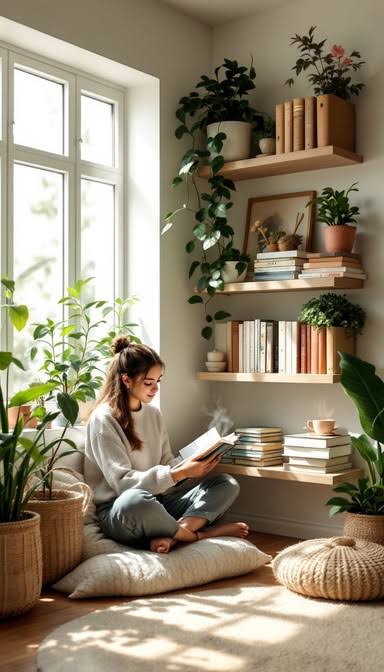
Creating a beautiful home does not require a large budget. Simple decorations, clean furniture, indoor plants, attractive curtains, and organized shelves can transform an ordinary room.
Natural light is another important element. Opening curtains during the day allows sunlight to enter and makes rooms feel fresh and welcoming. Keeping unnecessary items away can also create a more peaceful atmosphere.
People can refresh their homes by rearranging furniture, adding handmade decorations, or using colors that create a relaxing feeling. Small improvements can make a noticeable difference.
Finding Balance Between Technology and Real Life
Digital technology has become an essential part of modern lifestyles. Smartphones help people communicate, study, work, shop, and discover new opportunities. However, spending too much time online can reduce productivity and affect personal relationships.
Social media sometimes creates unrealistic expectations. People frequently compare their appearance, lifestyle, achievements, and possessions with carefully selected pictures shared by others. This comparison can reduce confidence and create unnecessary pressure.
A healthier digital lifestyle begins with setting reasonable screen-time limits. People can avoid using phones during meals, family conversations, and bedtime. Turning off unnecessary notifications can also improve concentration.
Instead of spending every free moment scrolling through social media, individuals can explore creative hobbies, learn new skills, read interesting books, or enjoy outdoor activities.
Discovering Fashion Through Personal Style
Fashion is an enjoyable way to express personality and creativity. However, following every new trend is not necessary to look attractive or confident. Developing a personal style helps people make better clothing choices and feel comfortable in their appearance.
A practical wardrobe can include comfortable everyday outfits, classic shirts, simple dresses, versatile trousers, and suitable footwear. Choosing colors that complement each other makes it easier to create different outfits.
Accessories can also improve an ordinary look. Watches, handbags, scarves, simple jewellery, and sunglasses can add personality without making an outfit look excessive.
The most important fashion principle is comfort. Clothing should match the occasion, weather, and personal preferences. People should choose outfits that make them feel confident rather than dressing only to impress others.
Making Time for Hobbies and Creativity
Hobbies bring excitement and meaning to everyday life. They provide opportunities to learn, relax, and discover hidden talents. Unfortunately, busy schedules often make people believe they have no time for personal interests.
Even fifteen or twenty minutes of creative activity can make a difference. Reading, painting, gardening, cooking, photography, writing, and learning a musical instrument are enjoyable ways to use free time.
Creative activities can also help people express their thoughts and emotions. For example, writing a daily journal allows individuals to reflect on experiences, recognize achievements, and understand their feelings.
Learning something new can increase confidence and create opportunities for personal development. Hobbies do not need to become businesses or sources of income. Sometimes, enjoying an activity simply for pleasure is enough.
Strengthening Relationships and Emotional Well-Being
Meaningful relationships are an important part of a satisfying life. Spending quality time with family members and friends creates memories and provides emotional support.
Small actions can strengthen relationships. Listening carefully, showing appreciation, helping others, and communicating honestly can build trust. A simple conversation over tea or a shared family meal can become a valuable daily experience.
Emotional well-being also requires understanding personal limits. People should recognize when they need rest and avoid taking unnecessary pressure to satisfy everyone.
Taking short breaks, enjoying nature, practicing gratitude, and maintaining a healthy routine can support emotional balance. When stress becomes difficult to manage, seeking support from trusted people or qualified professionals can be helpful.
Conclusion
A meaningful everyday life is created through small decisions and consistent positive habits. People do not need perfect homes, expensive fashion, or luxurious lifestyles to experience happiness. Appreciating simple moments, maintaining healthy routines, exploring creativity, and building strong relationships can make ordinary days more rewarding.
The secret is to slow down, recognize what truly matters, and give attention to the present moment. When people create balance between responsibilities, personal interests, and relationships, they can enjoy a more peaceful and satisfying lifestyle.
Frequently Asked Question
1. What does meaningful everyday living mean?
It means enjoying ordinary experiences, developing positive habits, maintaining relationships, and focusing on things that bring genuine satisfaction.
2. How can I make my daily routine more peaceful?
Start with a healthy morning routine, organize your responsibilities, take short breaks, and reduce unnecessary screen time.
3. Does simple living require a lot of money?
No. Simple living focuses on appreciating existing resources, avoiding unnecessary spending, and enjoying meaningful experiences.
4. Why are hobbies important for a healthy lifestyle?
Hobbies provide relaxation, encourage creativity, improve skills, and make free time more enjoyable.
5. How can fashion improve personal confidence?
Comfortable clothing, suitable colors, and accessories that match personal preferences can help people express themselves and feel confident.






Comments 0
Sign in to join the conversation.
No comments yet. Be the first to say something.