

Healthy Lifestyle: Easy Daily Habits for a Happy and Active Life
Introduction
A healthy lifestyle is important for everyone. It helps people feel active, improve their daily routine, and enjoy life with greater confidence. Good health is not only about avoiding illness. It is also about taking care of the body, mind, and emotions.
Many people believe that a healthy lifestyle requires expensive food, gym memberships, or special equipment. However, simple daily habits can make a positive difference. Eating nutritious meals, drinking enough water, walking regularly, getting proper sleep, and spending time with family are practical ways to improve everyday life.
A healthy lifestyle does not need to be perfect. The most important thing is to make small improvements and follow them consistently.
1. Choose Healthy Food for Daily Energy
Food is one of the most important parts of a healthy lifestyle. The body needs different nutrients to support its daily activities. A balanced diet includes fruits, vegetables, whole grains, proteins, and healthy fats.
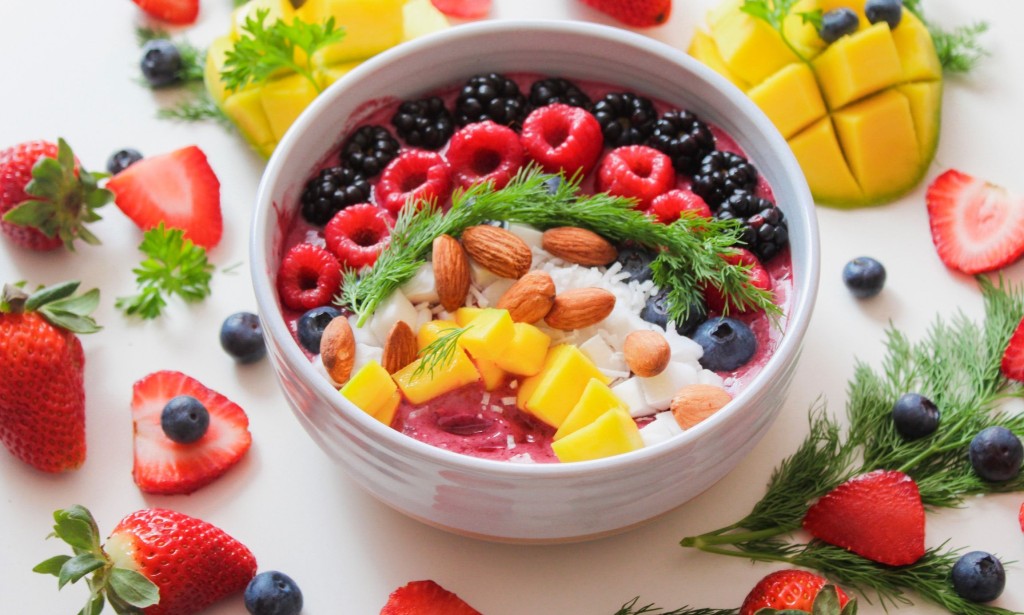
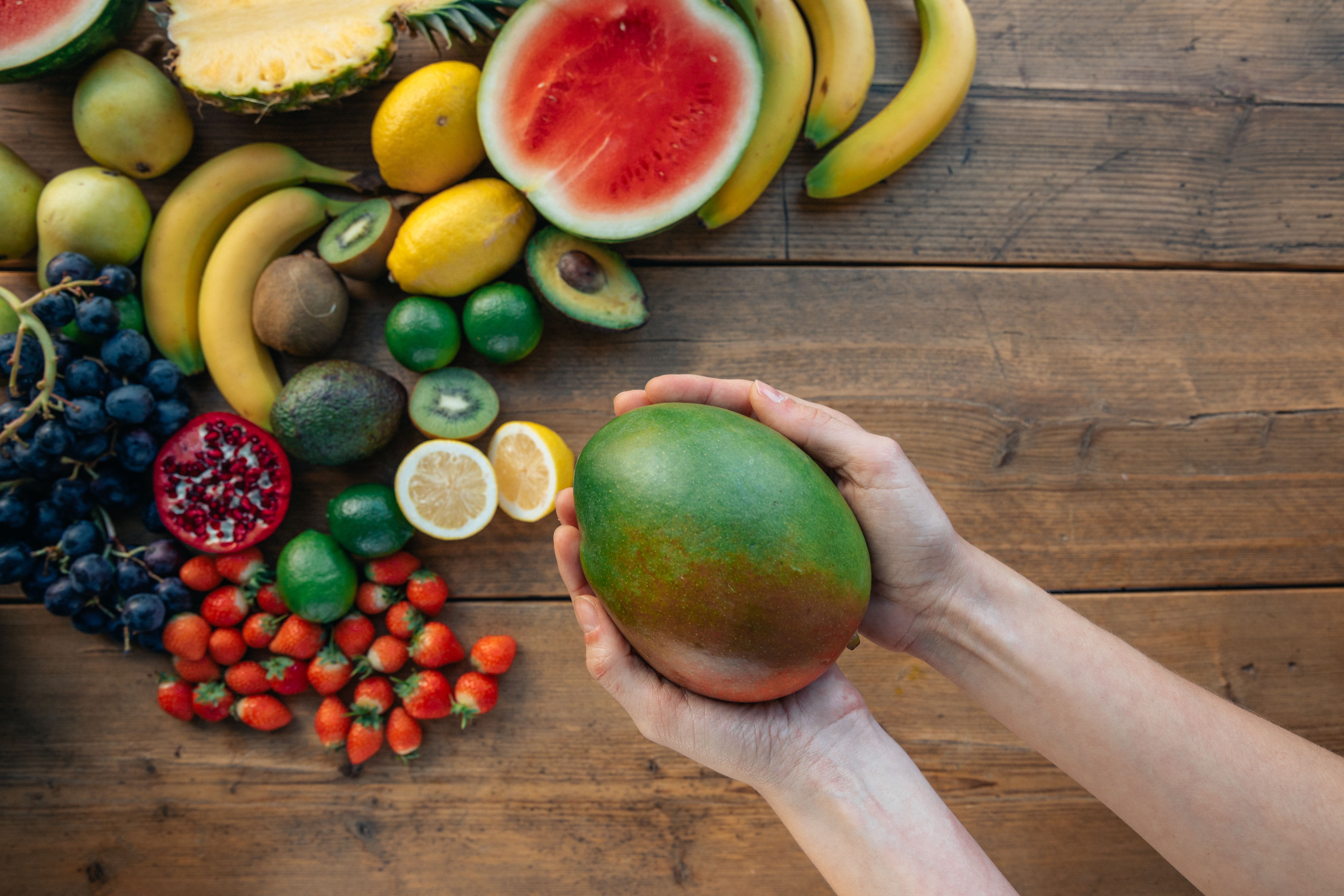
Fresh fruits such as apples, bananas, oranges, and mangoes can be included in daily meals. Vegetables such as carrots, spinach, potatoes, and cucumbers also provide useful nutrients.
People should try to reduce excessive consumption of fast food, sugary drinks, and oily snacks. These foods can be enjoyed occasionally, but they should not replace nutritious meals.
Eating breakfast is also a useful habit for many people. A simple breakfast with eggs, milk, fruit, or whole-grain bread can provide energy for the morning.
Healthy eating is not about following strict food rules. It is about choosing different nutritious foods and maintaining balance.
2. Drink Enough Water
Water is necessary for the normal functioning of the human body. It supports digestion, helps regulate body temperature, and prevents dehydration.
People who remain busy with work or household activities sometimes forget to drink water. Keeping a water bottle nearby can help develop this habit.
The amount of water needed varies from person to person. Weather, physical activity, and individual health conditions can affect daily requirements.
Fresh fruits and vegetables, including watermelon, cucumber, and oranges, can also contribute to daily fluid intake.
Drinking water regularly is a simple habit that can support overall well-being.
3. Exercise Regularly for Better Fitness
Physical activity is essential for maintaining a healthy lifestyle. Regular exercise supports heart health, strengthens muscles, and improves physical fitness.
People do not always need expensive gym equipment. Walking, cycling, stretching, dancing, and home exercises are affordable ways to stay active.
A morning walk can be a refreshing way to start the day. People who work at desks or spend long hours using mobile phones should take short movement breaks.
Adults can generally aim for at least 150 minutes of moderate physical activity each week, according to common public health guidance. Beginners can start slowly and increase activity according to their abilities.
The best exercise is one that a person enjoys and can continue regularly.
4. Get Enough Sleep Every Night
Sleep is an important part of physical and mental health. During sleep, the body rests and recovers from daily activities.
Most adults need around seven to nine hours of sleep each night. However, sleep requirements can differ depending on age and individual needs.
People can improve their sleeping habits by going to bed at a regular time. Keeping the bedroom quiet and comfortable may also help.
Using mobile phones for long periods before bedtime can make it difficult for some people to relax. Reducing screen time at night is a helpful habit.
Proper sleep can support concentration, mood, and daily energy.
5. Take Care of Mental Health
Mental health is just as important as physical health. Stress and daily responsibilities can sometimes make people feel tired or worried.
Taking short breaks, enjoying hobbies, reading books, and spending time outdoors can help people relax.
Talking with trusted family members or friends can also provide emotional support. People should not feel ashamed of asking for help when they experience ongoing emotional difficulties.
A positive lifestyle includes learning to manage stress and giving enough importance to personal well-being.
6. Maintain Personal Hygiene
Personal hygiene helps people stay clean, fresh, and comfortable. It is an important part of a healthy daily routine.
Simple habits include brushing teeth twice a day, washing hands with soap, taking regular baths, wearing clean clothes, and keeping nails clean.
People should also keep their homes and surroundings tidy. Cleaning kitchens, bathrooms, and frequently used surfaces can make the living environment more pleasant.
Parents can teach children these habits from an early age so they can develop good routines.
7. Spend Quality Time with Family
Family relationships can bring happiness and emotional support into everyday life. Spending time with loved ones helps people feel connected and appreciated.
Families can enjoy simple activities together, such as eating meals, walking in the park, playing games, or talking about their day.
Listening carefully, showing respect, and helping each other are important parts of strong relationships.
A balanced lifestyle should include time for work, personal responsibilities, and family activities.
8. Reduce Unnecessary Screen Time
Technology has become an important part of modern life. Mobile phones and computers help people communicate, study, work, and find information.
However, excessive screen time can reduce physical activity and affect sleep routines.
People can create healthier technology habits by taking regular breaks, avoiding unnecessary phone use during meals, and limiting late-night scrolling.
Instead of spending every free moment on a screen, people can enjoy reading, gardening, walking, or learning a new skill.
Technology is useful when it supports daily life rather than taking up all available time.

9. Develop Positive Daily Habits
A healthy lifestyle is built through regular habits. People can begin with small goals instead of trying to change everything at once.
For example, walking for fifteen minutes, eating one extra serving of vegetables, or sleeping a little earlier can be a good starting point.
Planning daily activities can also help people manage their time. Making a simple routine for meals, exercise, work, and rest can create better balance.
It is important to remain patient. Healthy habits take time to develop, and missing one day does not mean failure. People should simply return to their routine and continue making progress.
Conclusion
A healthy lifestyle is a valuable part of a happy and balanced life. It does not require expensive products or complicated routines. Simple habits such as eating nutritious food, drinking enough water, exercising regularly, sleeping properly, and maintaining personal hygiene can support overall well-being.
Mental health, family relationships, and responsible use of technology are also important parts of daily life.
Everyone can make small positive changes according to their needs and circumstances. Starting today and remaining consistent can help create a healthier and more active future.
Frequently Asked Questions (FAQs)
1. What is the meaning of a healthy lifestyle?
A healthy lifestyle means following daily habits that support physical, mental, and emotional well-being.
2. What foods should we eat for good health?
People should include fruits, vegetables, whole grains, proteins, and other nutritious foods in their daily meals.
3. Is walking enough to stay active?
Walking is a useful physical activity. Combining it with other suitable exercises can provide additional fitness benefits.
4. How many hours should adults sleep?
Most adults need around seven to nine hours of sleep every night.
5. How can beginners start a healthy lifestyle?
Beginners can start by drinking enough water, eating balanced meals, walking regularly, sleeping on time, and maintaining personal hygiene.






Comments 0
Sign in to join the conversation.
No comments yet. Be the first to say something.