
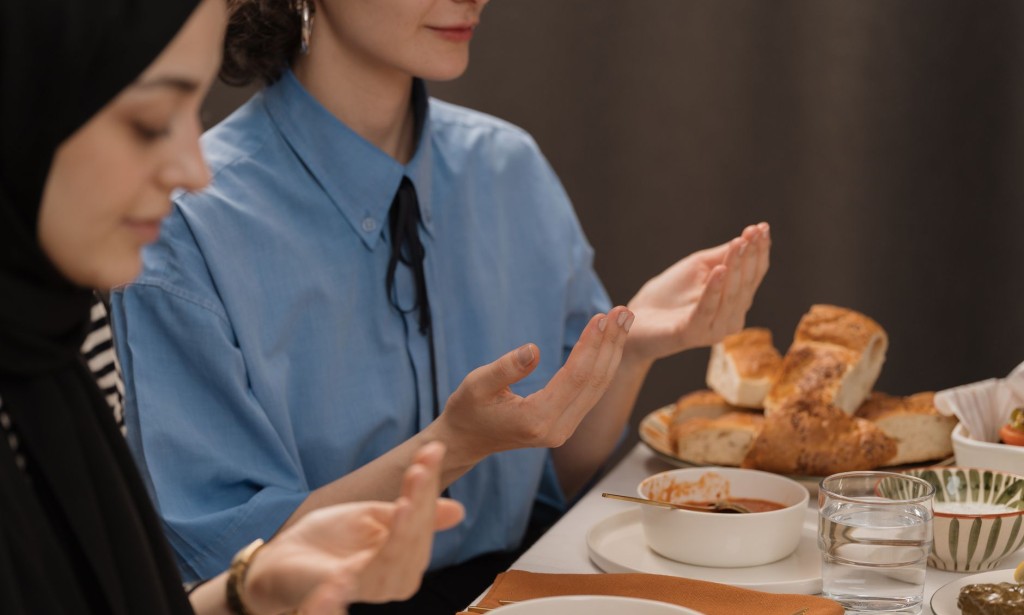
Ramadan Mubarak: The Sacred Month of Fasting and Reflection.
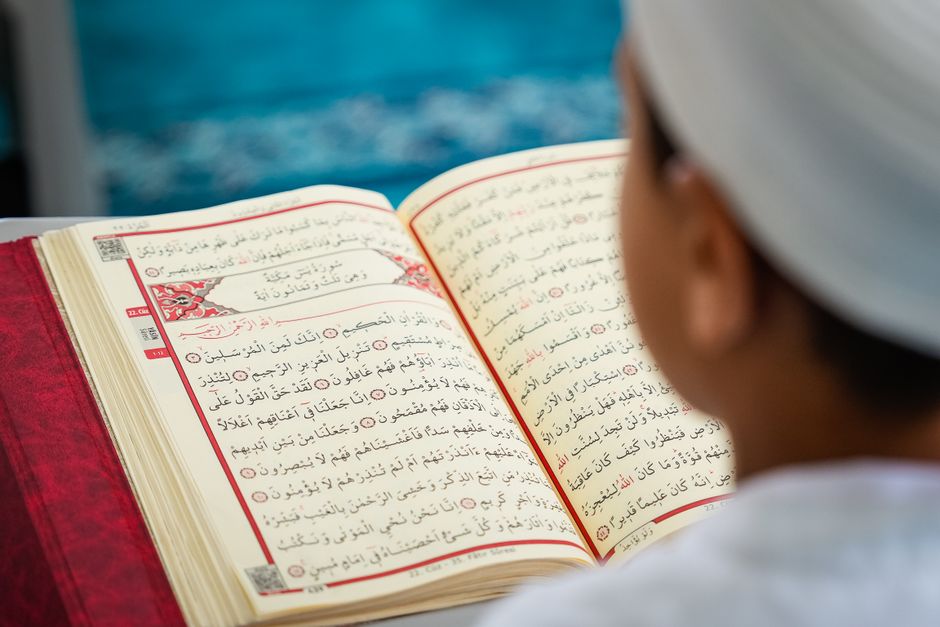
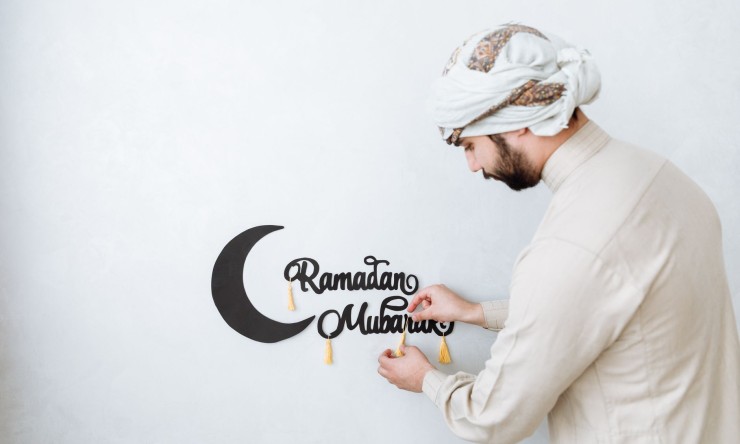
Ramadan Mubarak is a phrase that resonates deeply with Muslims worldwide as they welcome the holiest month of the Islamic calendar. The word "Ramadan" originates from the Arabic root "ramida" or "ar-ramad," meaning intense heat or scorching, signifying the spiritual purification that comes with fasting. "Mubarak" means "blessed," and together, "Ramadan Mubarak" is a greeting exchanged to wish blessings upon others during this sacred period.
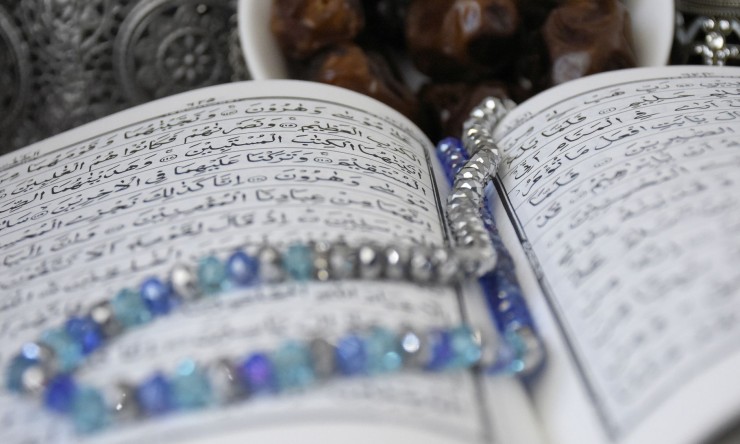
Ramadan is the ninth month of the Islamic lunar calendar, and its significance stems from the revelation of the Holy Quran to Prophet Muhammad (peace be upon him) during this month. It is a time of fasting, prayer, reflection, and community, observed by Muslims across the globe with great devotion. The fast, known as "sawm," is one of the Five Pillars of Islam and involves abstaining from food, drink, smoking, and marital relations from dawn until sunset. The fast is broken at sunset with the "iftar" meal, traditionally beginning with dates and water, following the Sunnah of the Prophet.
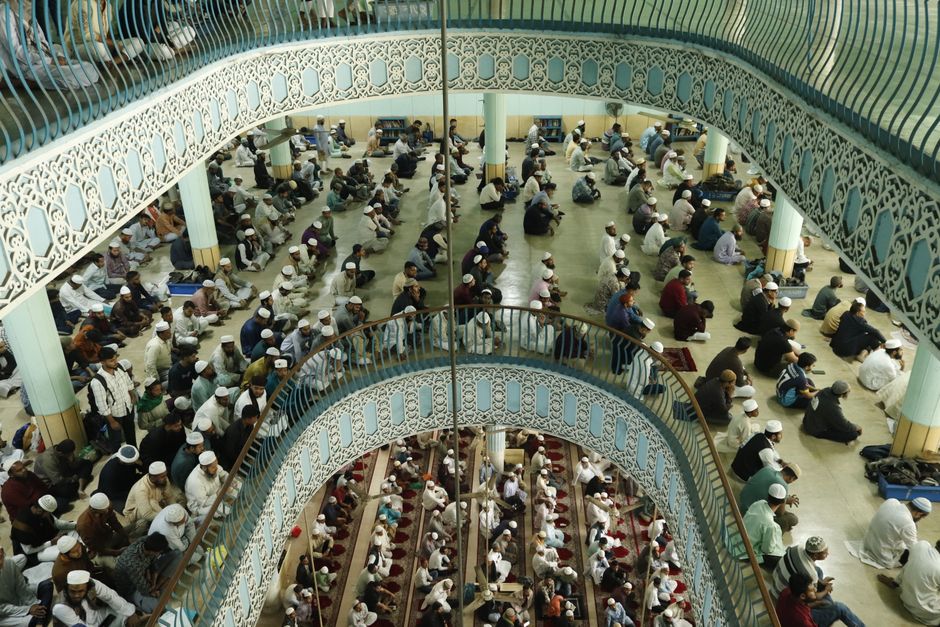
The pre-dawn meal, "suhoor,"
is consumed before the Fajr prayer, providing sustenance for the day ahead. Muslims spend their days in increased acts of worship, including reading the Quran, performing extra prayers such as Taraweeh, giving charity, and seeking forgiveness. The night of "Laylatul Qadr," or the Night of Power, falls within the last ten nights of Ramadan and is considered the most sacred night, as it marks the revelation of the Quran. Worship on this night is believed to be more rewarding than a thousand months of devotion.
Fasting during Ramadan is not merely about abstaining from food and drink; it is a time for self-discipline, spiritual growth, and heightened awareness of God. Muslims strive to purify their hearts, refrain from negative behavior, and engage in acts of kindness and generosity. The experience fosters empathy for the less fortunate, as hunger and thirst remind one of those who struggle daily.
Zakat, or charitable giving, is another important aspect of Ramadan. Many Muslims choose to fulfill their annual obligation of Zakat during this month, ensuring that the poor and needy receive support. Additionally, "Sadaqah," voluntary charity, is encouraged, and acts of kindness, no matter how small, are believed to carry great rewards.
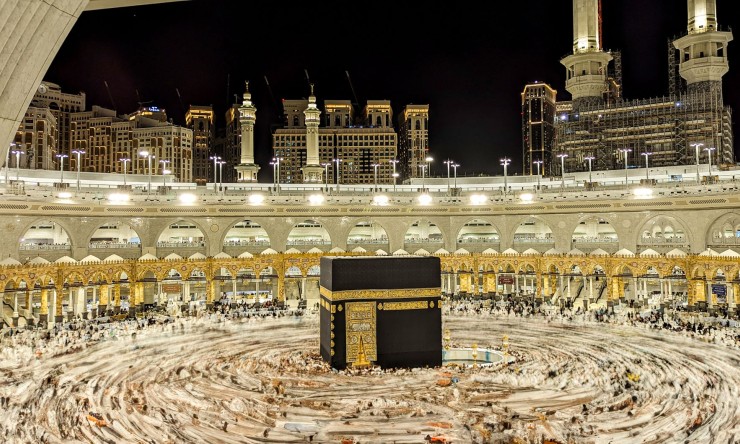
Ramadan is also a time of unity, as families and communities come together for prayers, meals, and worship. Mosques are filled with worshippers performing Taraweeh prayers, reciting the Quran, and seeking closeness to Allah. The bonds of brotherhood and sisterhood are strengthened, as people share meals and support each other in their spiritual journey.
As Ramadan concludes, the joyous festival of Eid-ul-Fitr is celebrated. It is a day of thanksgiving, marked by special prayers, feasting, and the giving of "Zakat-ul-Fitr," a form of charity that ensures the less fortunate can partake in the festivities.
Ramadan Mubarak is more than just a greeting; it encapsulates the essence of this sacred month—blessings, devotion, and renewal of faith. It is a time of immense spiritual rewards, person.



Comments 0
Sign in to join the conversation.
No comments yet. Be the first to say something.