

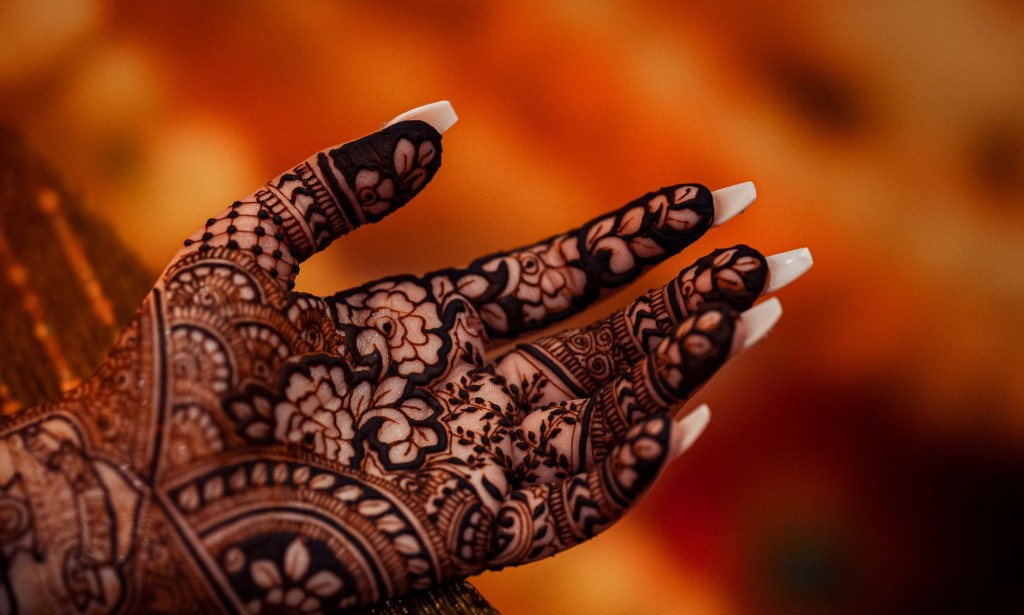
Trending Mehndi Designs with Tradition, art and Trends that Everyone is Loving!
Mehndi is far more than a decorative art form; it is a beautiful expression of culture, tradition, creativity, and identity. For centuries, henna has been an important part of celebrations across South Asia, the Middle East, and various African communities, adding colour and meaning to weddings, festivals, and special family occasions. Its delicate patterns and intricate details often symbolize love, happiness, prosperity, beauty, and new beginnings, making it a tradition cherished across generations.
With changing times, mehndi has evolved from a traditional ceremonial practice into a worldwide fashion and beauty trend. From elaborate bridal artwork and classic Arabic patterns to elegant floral motifs, minimalist designs, and modern geometric styles, this timeless art continues to inspire new forms of creativity without losing its cultural significance.
Among the platforms bringing this transformation into the spotlight, Pinterest has become a major source of inspiration for mehndi lovers and artists. Its growing collection of creative ideas, aesthetic photographs, and emerging design styles allows users to explore everything from simple everyday patterns to breathtaking bridal masterpieces. As new trends gain attention and traditional techniques meet modern creativity, Pinterest is helping mehndi art reach a wider global audience. In this article, we will explore the cultural roots of mehndi, its historical significance, and the latest Pinterest-inspired trends shaping the future of this beautiful tradition.
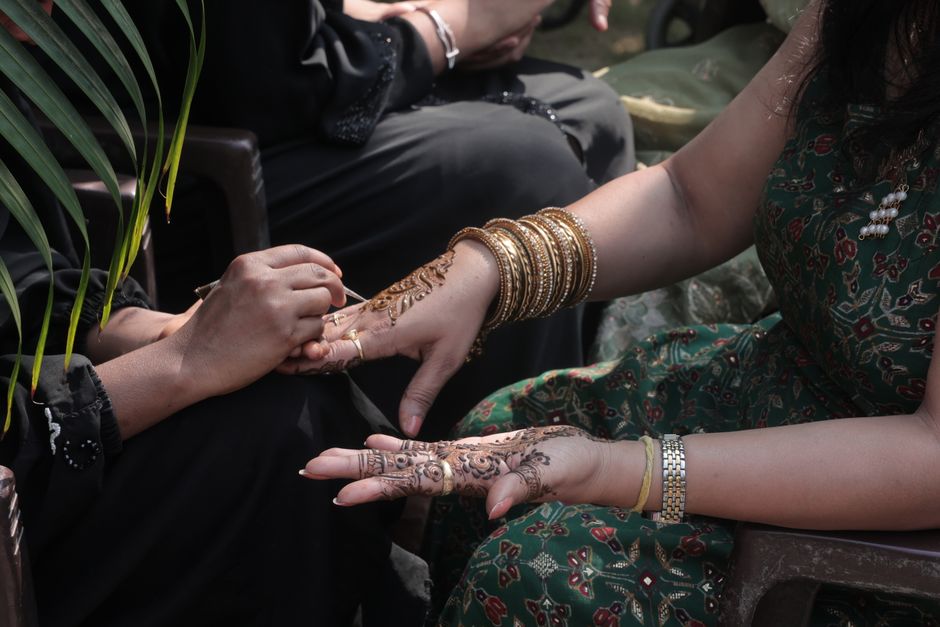
Photo: Aalap Creation / Pexels
Mehndi: A Tradition Rooted in History and Culture!
Mehndi is much more than a beautiful pattern drawn on the hands and feet. It is a tradition that has been part of different cultures for thousands of years. Its history is believed to go back more than 5,000 years, with early use associated with ancient South Asia. People originally used henna as a natural way to add colour to their skin, but over time, it became an important part of cultural celebrations and traditions.
As the practice spread across different regions, including the Middle East, North Africa and Southeast Asia, each culture developed its own unique designs and ways of using mehndi. Today, it holds a special place in celebrations, especially weddings and religious festivals.
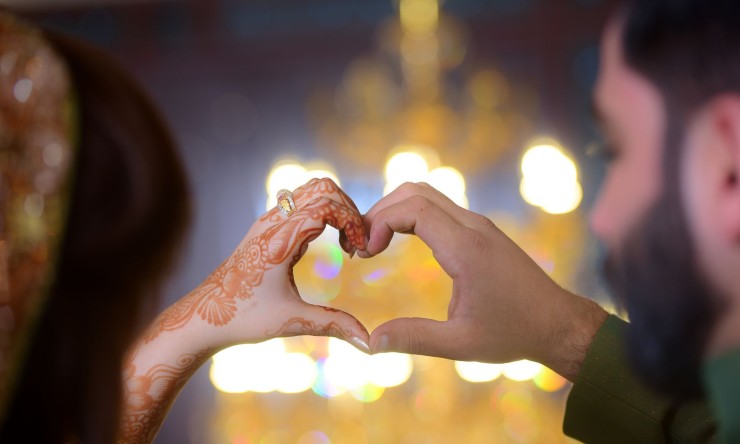
In South Asian culture, mehndi is particularly important during wedding ceremonies. Brides often decorate their hands and feet with detailed patterns as a symbol of happiness, love and good fortune. It is traditionally believed that mehndi brings blessings to a newly married couple and protects them from negative influences. There is also a popular cultural belief that a darker mehndi stain represents deeper love between the bride and groom and affection from the groom’s family.
However, the beauty of mehndi is not limited to weddings. It is also a familiar part of celebrations such as Eid, Diwali and Teej. For many people, applying mehndi is a way of expressing happiness, celebrating special moments and staying connected to their cultural heritage. What began as the use of a natural plant dye has gradually become a meaningful tradition that continues to bring generations together.
The Beauty and Creativity Behind Mehndi Art!
Mehndi is an art that turns simple skin into beautiful patterns through creativity and patience. Every design has its own charm, whether it is a small floral detail or a complete pattern covering the hands and feet. Traditionally, henna paste is applied with a small cone or brush, allowing artists to create delicate lines, shapes and artistic details.
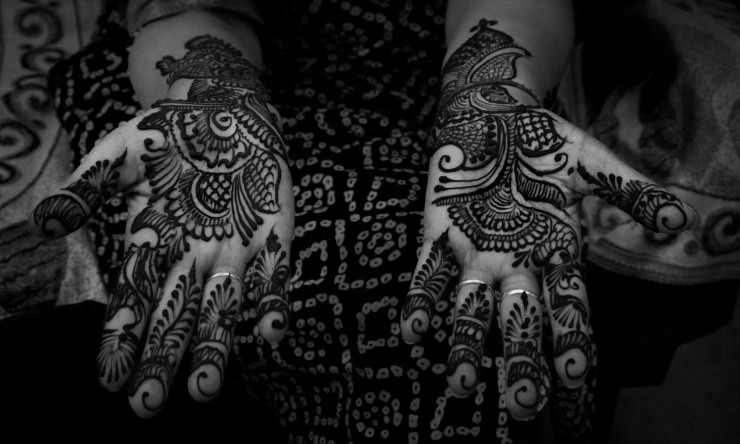
The designs are inspired by different elements, including flowers, leaves, nature and geometric shapes. Some of the most recognizable patterns include peacocks, paisleys, lotus flowers, vines and circular mandala designs.
What makes mehndi special is that there are no strict rules about how a design should look. People can choose patterns according to their personal taste, cultural background or the occasion they are celebrating. Some prefer simple and elegant designs, while others love detailed artwork that covers their entire hands.
Creating mehndi designs is not just about drawing patterns. It requires concentration, a steady hand and plenty of practice. In Pakistan and India, professional mehndi artists are commonly known as mehndi designers or mehndiwalas. Many of them spend years improving their techniques and learning different traditional styles. Their work reflects not only artistic talent but also the cultural importance of this beautiful tradition.
Popular Traditional Mehndi Patterns
Traditional mehndi designs have been appreciated for generations. They are usually known for their detailed appearance, balanced patterns and beautiful arrangements. Unlike some modern styles that focus on simplicity, traditional designs often cover most of the hands and feet with connected patterns.
Some well-known traditional elements include:
1. Paisley Patterns
Paisley is one of the most recognizable shapes in traditional mehndi. Its curved, teardrop-like appearance is often combined with small flowers, leaves and decorative lines. This pattern has historical connections with Persian art and became popular in South Asian and Middle Eastern designs. It is commonly associated with nature, fertility and new beginnings.
2. Mandala Designs
Mandala patterns are based on circular shapes and repeated geometric details. They are often drawn in the centre of the palm or on the back of the hand, with smaller patterns extending around them. These designs are traditionally associated with harmony, unity and balance. Their symmetrical appearance makes them especially attractive to people who enjoy detailed and organized artwork.
Pinterest-Inspired Mehndi Trends: Where Tradition Meets Modern Style
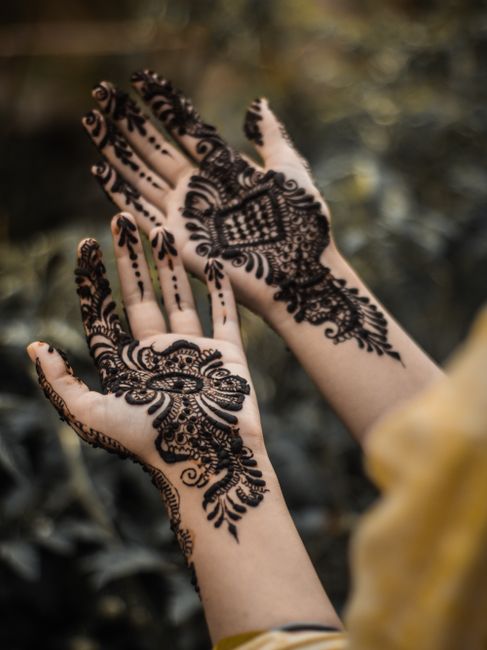
Photo: Tauseef Khaliq / Pexels
Pinterest has become one of the favourite places for people looking for creative mehndi inspiration. From simple everyday patterns to beautiful bridal artwork, the platform offers countless ideas for anyone who loves henna. Many girls save their favourite designs before Eid, weddings and family celebrations to find a style that matches their personality and outfit.
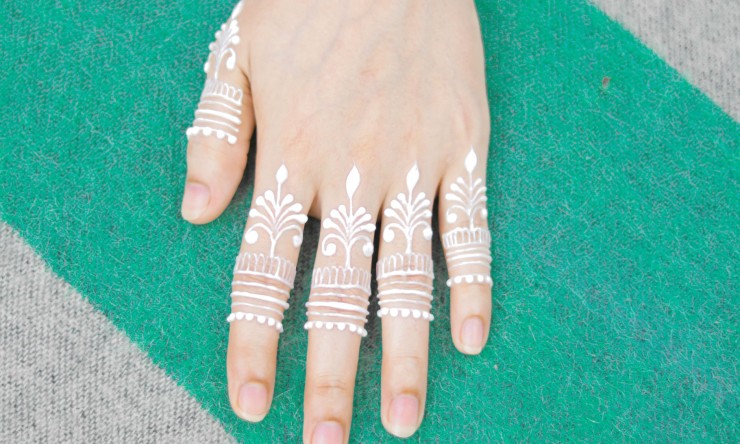
One noticeable trend is the growing popularity of minimal mehndi. Instead of covering the entire hand, these designs focus on small flowers, delicate lines, tiny hearts and finger patterns. They are simple, elegant and perfect for people who prefer a less crowded look.
Arabic mehndi is another popular choice. Its bold floral patterns, curved leaves and flowing designs create an attractive appearance without covering every part of the skin. Similarly, jewellery-inspired mehndi, which resembles bracelets, rings and hand accessories, has become an interesting option for modern celebrations.
Bridal designs are also evolving. Many brides are choosing a combination of traditional and contemporary artwork, including personalised initials, names, wedding dates and meaningful illustrations. Indo-Arabic patterns are particularly appealing because they bring together the richness of traditional designs and the simplicity of modern styles.
Another interesting trend is the use of negative space, where artists intentionally leave some areas of the hand uncovered to make the design look more balanced and noticeable.
What makes Pinterest so useful is the variety of inspiration it provides. People can explore different styles, save their favourite pictures and even combine ideas to create a design of their own. In this way, Pinterest is not just a platform for discovering trends; it has also become a creative space where traditional mehndi art continues to develop with modern fashion.


Comments 0
Sign in to join the conversation.
No comments yet. Be the first to say something.