

Core Values and Pillars:
At the heart of a family-oriented lifestyle lies a set of core values that form the pillars of its foundation:
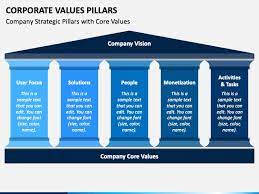
Love and Support: Unconditional love and unwavering support form the bedrock of family relationships. It involves celebrating successes, navigating challenges together, and providing a safe haven for each member.
Communication and Understanding: Open, honest communication fosters understanding and empathy within the family. It encourages active listening, respecting diverse perspectives, and addressing conflicts constructively.
Shared Experiences and Traditions: Creating and cherishing shared experiences, traditions, and rituals strengthens the family bond. These moments weave a tapestry of memories, nurturing a sense of belonging and identity within the family unit.
Nurturing Family Connections:
Quality Time: Prioritizing quality time over quantity strengthens familial bonds. Whether through family meals, game nights, or shared activities, carving out time for each other fosters closeness.
Emotional Support: Providing a nurturing environment where every member feels heard, understood, and supported fosters emotional resilience and a sense of security.
Inclusive Decision-Making: Involving all family members in decision-making processes promotes a sense of belonging and empowerment.
Cultivating Togetherness:
Family Values and Identity: Articulating and reinforcing shared values helps shape a family's identity, guiding actions and choices.
Creating Meaningful Traditions: Establishing traditions—be they cultural, religious, or simply personal—anchors the family, offering stability and a sense of continuity.
Adaptability and Flexibility: Embracing change and being flexible in the face of challenges fosters resilience within the family unit.
Challenges and Solutions:
Despite the immense benefits, a family-centric lifestyle may encounter obstacles:
Time Constraints: Busy schedules and commitments might hinder quality family time. Scheduling and prioritizing family activities become vital.
Communication Barriers: Differences in communication styles or generational gaps can pose challenges. Active listening, empathy, and patience aid in bridging these gaps.
Conflict Resolution: Conflicts are inevitable but addressing them with empathy, understanding, and respect for differing viewpoints helps navigate them positively.
Impact on Individual Well-being:
A family-centric lifestyle positively influences the well-being of each member:
Emotional Stability: Feeling connected and supported within the family fosters emotional well-being and mental resilience.
Personal Growth: Encouraging autonomy and fostering a supportive environment enables individual growth and self-confidence.
Sense of Belonging: A strong family bond provides a sense of belonging, security, and a foundation for healthy relationships beyond the family unit.
In essence, embracing a family-centric lifestyle requires dedication, effort, and a commitment to nurturing relationships. It's a continual process of fostering connections, creating cherished moments, and evolving together through life's joys and challenges. Ultimately, the rewards of a family-centric lifestyle lie in the deep-rooted connections and lasting legacies it creates, shaping generations and offering a sanctuary of love and support in an ever-changing world.
Fostering Emotional Intelligence:
Emotional Expression: Encouraging open discussions about emotions helps family members understand and express their feelings constructively.
Conflict Resolution Skills: Teaching effective conflict resolution techniques, such as active listening, compromise, and empathy, cultivates harmonious relationships.
Empathy Building: Engaging in activities that promote understanding others’ perspectives, such as volunteering or discussing different viewpoints, enhances empathy within the family.
Promoting Individual Growth within the Family:
Encouraging Autonomy: Balancing support with allowing space for individual interests and growth instills a sense of self and independence in family members.
Education and Learning: Valuing education and creating a supportive environment for learning promotes intellectual growth and curiosity.
Personal Development: Embracing hobbies, interests, and personal goals within the family context nurtures diverse talents and passions.
Cultural Appreciation and Diversity:
Cultural Exploration: Celebrating diverse cultural backgrounds within the family through food, traditions, and learning about different customs fosters appreciation and respect for diversity.
Exposure to Diversity: Encouraging exposure to different cultures, whether through travel, literature, or friendships, broadens perspectives and promotes inclusivity.
Teaching Tolerance and Respect: Discussing and modeling tolerance and respect for various cultures, religions, and beliefs cultivates a family environment that embraces differences.
Healthy Lifestyle Choices:
Physical Activity: Engaging in family activities like hiking, biking, or team sports promotes physical fitness while bonding over shared experiences.
Nutrition and Mealtime: Making mealtime a shared experience, involving everyone in meal preparation, and emphasizing nutritious choices fosters healthy eating habits and family connections.
Mindful Technology Use: Setting boundaries and guidelines for technology usage within the family encourages face-to-face interactions and quality time.
Financial Literacy and Responsibility:
Financial Education: Teaching age-appropriate financial concepts and involving children in discussions about budgeting and saving instills financial responsibility.
Work Ethics: Instilling a strong work ethic and understanding the value of hard work promotes responsibility and accountability within the family.
Charitable Giving: Engaging in philanthropic activities as a family cultivates a sense of social responsibility and empathy towards others.
Adapting to Transitions and Challenges:
Support during Transitions: Providing emotional support during significant life changes such as moving, new additions to the family, or career shifts strengthens family bonds.
Resilience Building: Teaching resilience in the face of adversity, acknowledging challenges as opportunities for growth, fosters a strong family unit.
Seeking Professional Help: Recognizing the need for external support, such as family counseling, during challenging times reinforces the importance of seeking help when needed.
A family-centric lifestyle isn't just about shared moments but also about creating an environment that nurtures growth, understanding, and support. It involves embracing diversity, fostering individual development, and navigating challenges as a united front. The ongoing commitment to fostering a loving, supportive, and inclusive family environment lays the groundwork for lasting relationships and a sense of belonging that extends through generations.


You must be logged in to post a comment.