

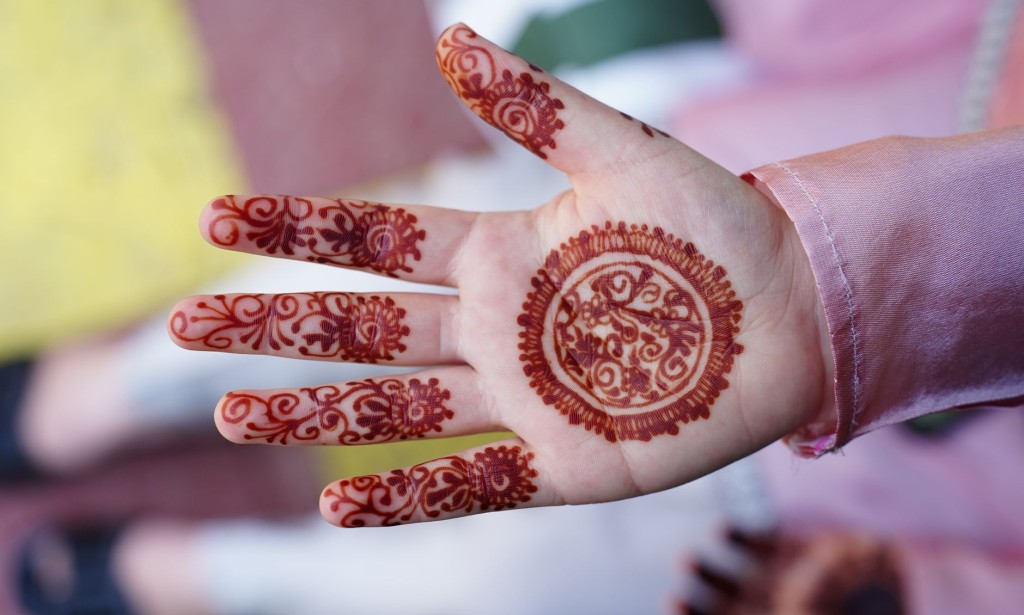
Tikki mehndi designs, also known as mandala or gol tikki patterns, are circular designs that sit beautifully in the center of the palm. These traditional patterns have been a staple of South Asian mehndi art for generations and continue to be popular for their elegant simplicity and stunning visual impact. The circular nature of tikki designs makes them universally flattering and suitable for hands of all shapes and sizes.
What is Tikki Mehndi?
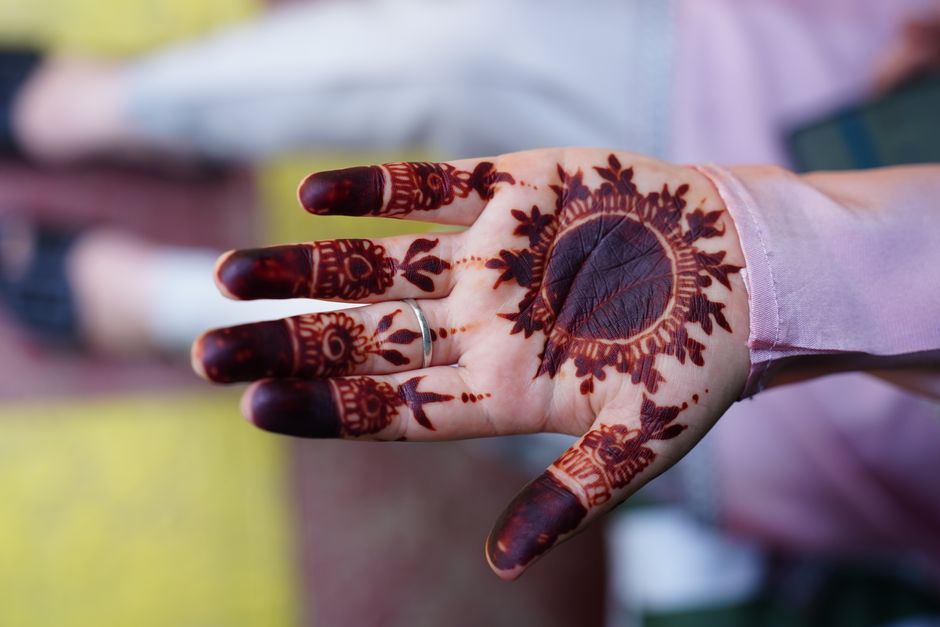
The word "tikki" means a round or circular shape. In mehndi art, tikki designs feature a central circular motif surrounded by decorative elements that radiate outward. These designs range from simple filled circles to elaborate mandala patterns with intricate detailing. The beauty of tikki lies in its symmetry and the way it draws the eye naturally to the center of the palm, creating a focal point that enhances the hand's natural aesthetic.
Tikki designs have ancient roots in Indian and Pakistani mehndi traditions. The circular pattern is believed to symbolize wholeness, completeness, and auspiciousness in many cultures. Unlike flowing henna patterns that extend across the hand, tikki focuses the design in one central area, making it perfect for those who prefer a more contained and refined look.
Types of Tikki Mehndi Designs
1. Simple Gol Tikki
Perfect for beginners, these feature a basic circular center with simple patterns. Simple gol tikki is ideal for those learning mehndi for the first time or for casual everyday wear. The simplicity doesn't diminish the elegance; in fact, a well-executed simple tikki can be more striking than an overly complicated design.
- Solid filled circles with dotted borders
- Concentric circle patterns
- Basic floral tikki with petals
- Geometric tikki with triangles or diamonds
2. Floral Tikki Designs
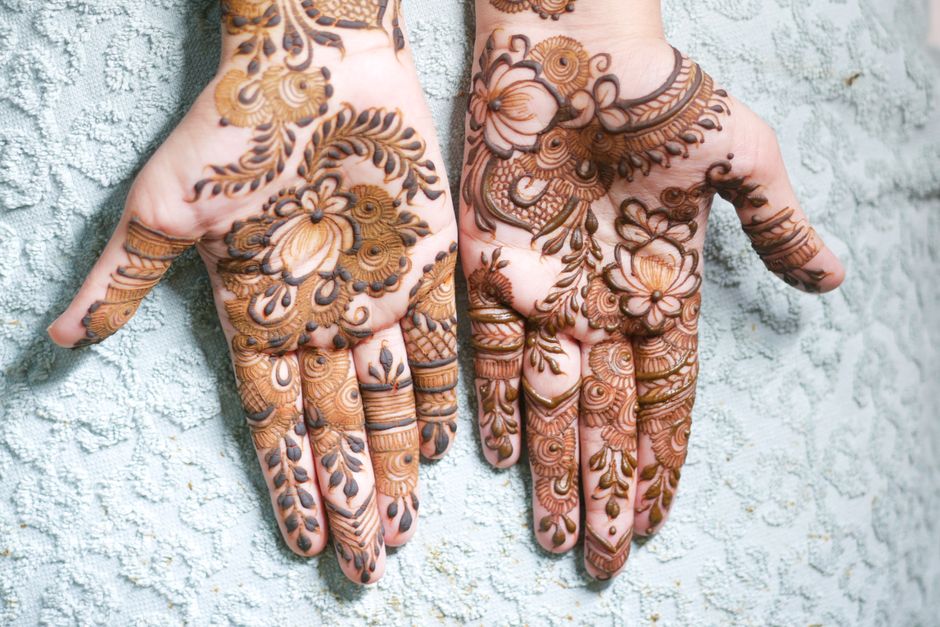
Combining the tikki base with flower motifs creates a beautiful and romantic aesthetic. Floral tikkis are particularly popular for weddings, engagements, and other romantic occasions. The addition of flower elements adds dimension and femininity to the traditional circular pattern while maintaining its classic appeal.
- Rose-centered tikki patterns
- Lotus tikki with layered petals
- Sunflower-inspired circular designs
- Multi-flower tikki arrangements
3. Mandala Tikki
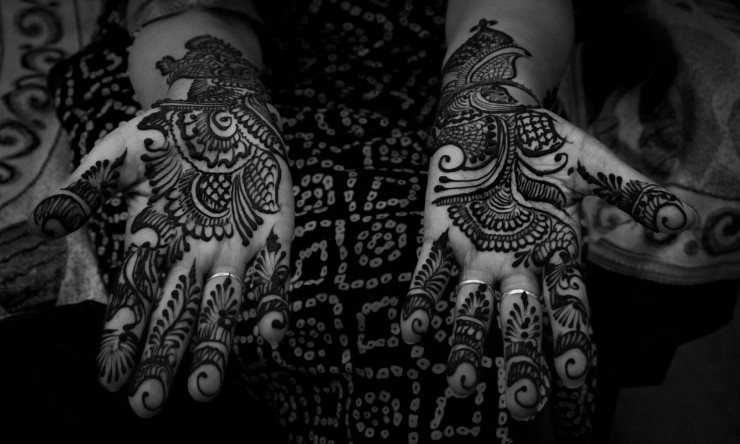
Intricate circular patterns inspired by spiritual mandalas represent the peak of tikki artistry. Mandala tikkis require significant skill and patience but produce stunning results that serve as true centerpieces of any mehndi design. These designs often take longer to apply but the intricate beauty justifies the time investment.
- Detailed geometric mandalas
- Peacock feather mandalas
- Traditional Indian mandala tikki
- Modern abstract mandala designs
4. Arabic Tikki Style
Bold, flowing patterns with Arabic mehndi influence bring a contemporary twist to traditional tikki designs. Arabic tikki styles feature darker, more saturated henna application and smoother, flowing curves that complement the circular base pattern beautifully.
- Shaded tikki designs
- Bold outline tikki with fill patterns
- Curved vine extensions from tikki center
How to Apply Tikki Mehndi
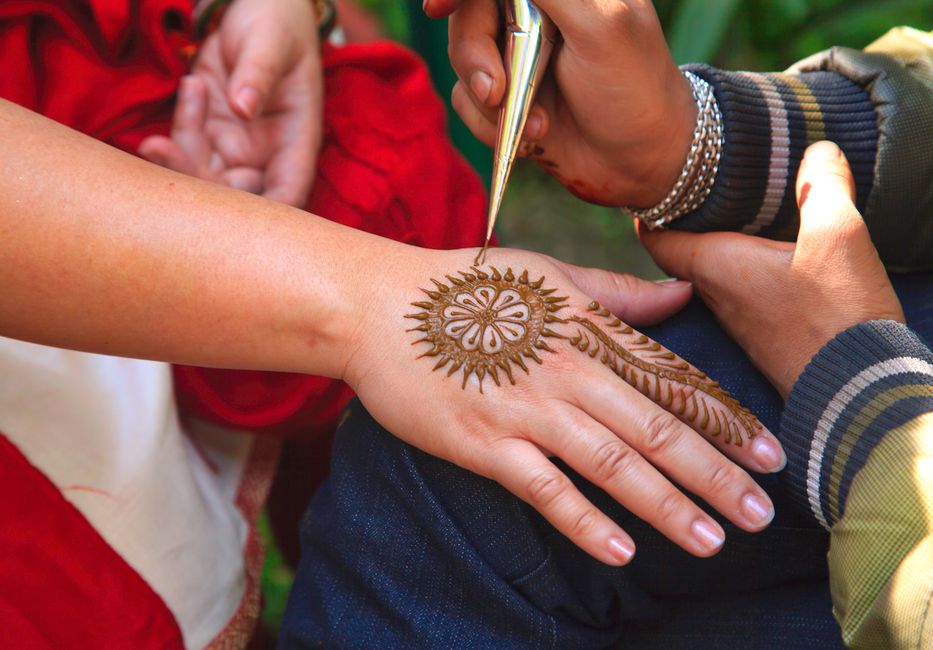
Applying mehndi tikki requires patience, a steady hand, and proper technique. The key to a beautiful tikki is maintaining symmetry and ensuring smooth, consistent lines throughout the design. Here's a step-by-step guide to help you master this traditional art form:
- Mark the Center: Find the center of your palm for placement. You can use a small dot of henna or a temporary pencil mark to guide your work.
- Draw the Core: Start with the innermost circle or design. Use light, confident strokes to create your base circle.
- Build Outward: Add layers of patterns radiating from center. Work methodically from the inside out, allowing each layer to slightly dry before adding the next.
- Add Details: Include dots, lines, and small motifs between layers to create texture and visual interest.
- Connect to Fingers: Optionally extend designs toward fingers for a more complete look.
- Balance the Design: Ensure symmetry for best visual appeal. Step back frequently to check proportions.
Tikki Design Combinations
While tikki can work beautifully as a standalone design, combining it with other mehndi elements creates even more striking patterns. Creative combinations allow you to personalize your mehndi and express your unique style while maintaining the traditional elegance of the tikki.
- Tikki with Finger Patterns: Central tikki connected to decorated fingers creates a cohesive design across the hand
- Double Tikki: Two smaller tikkis on the palm offer visual balance and symmetry
- Tikki Trail: Tikki design extending to the wrist creates an elegant flow and extended visual interest
- Back Hand Tikki: Circular design on the back of the hand complements palm tikki perfectly for a complete look
Tips for Perfect Tikki Mehndi
Achieving perfect tikki mehndi takes practice, but these professional tips will help you improve your technique significantly:
- Use a steady hand and consistent pressure for uniform lines
- Start with lighter outlines before filling to maintain control
- Keep the cone tip clean for precise lines and avoid smudging
- Practice circular motions on paper first before applying to skin
- Allow each layer to dry slightly before adding more henna
- Maintain proper cone angle (45 degrees) for best results
- Use quality henna paste for longer-lasting color
Best Occasions for Tikki Mehndi
Tikki designs suit various celebrations and occasions. The versatility of tikki patterns makes them appropriate for almost any event, from formal celebrations to casual gatherings. The key is choosing the complexity level that matches the occasion's formality.
- Eid: Traditional yet elegant choice that honors cultural heritage
- Weddings: As part of bridal or guest mehndi, tikki serves as a beautiful focal point
- Karwa Chauth: Symbolic circular designs perfect for this auspicious occasion
- Teej: Festive tikki patterns celebrate this vibrant festival
- Casual Wear: Simple tikki for everyday beauty and personal enjoyment
- Engagements: Elegant tikki designs mark this important milestone
- Birthday Celebrations: Fun and colorful tikki patterns add festive flair
Frequently Asked Questions About Tikki Mehndi
How long does tikki mehndi last?
Tikki mehndi typically lasts between 1-3 weeks depending on various factors. The longevity depends on the quality of the henna paste used, how well you care for the design, and your skin type. Generally, henna fades gradually as the outer layer of skin naturally sheds. To extend the life of your tikki, avoid excessive water exposure for the first 24 hours, apply mehndi oils to the design, and protect it from harsh soaps and chemicals.
Can beginners apply tikki mehndi designs?
Absolutely! Tikki mehndi is ideal for beginners because of the simple gol tikki designs available. Start with basic filled circles and simple dot patterns before progressing to more complex mandala styles. The symmetrical nature of tikki actually makes it easier to learn compared to asymmetrical designs. With practice and patience, beginners can master beautiful tikki designs within a few weeks of regular practice.
What type of henna is best for tikki designs?
Natural, high-quality henna paste produces the best results for tikki designs. Look for paste that has been prepared with natural ingredients like lemon juice, sugar, and essential oils. Avoid black or metallic henna as these contain harmful chemicals. Pakistani and Indian brands are generally reliable, but always test on a small area first to check for allergic reactions and verify the color quality.
How do I make my tikki mehndi darker?
To achieve a darker tikki color, keep the mehndi on your skin for 6-8 hours or longer. Leave the paste on undisturbed to allow deeper staining. Additionally, apply mehndi oils and lemon juice to the design while it's still on your skin, as this intensifies the stain. After removing the paste, avoid washing the area for at least 24 hours to allow the color to fully develop and darken to its richest shade.
Can I combine tikki with Arabic mehndi?
Yes, combining tikki with Arabic mehndi styles creates beautiful, contemporary designs that blend traditional and modern elements. Use the tikki as your central focal point and add Arabic motifs like bold lines, curved vines, and shaded areas around it. This fusion style is increasingly popular for weddings and modern celebrations, offering the best of both design traditions in one stunning look.
Conclusion
Tikki mehndi designs offer timeless beauty that works for any occasion and any skill level. Whether you prefer simple circles or elaborate mandalas, mastering the tikki pattern gives you a versatile design that always looks stunning. The circular nature of tikki designs makes them universally flattering, appropriate for various celebrations, and suitable for both traditional and modern styling. Practice the basic circular motions, experiment with different variations, and soon you'll be creating beautiful palm-centered designs that draw admiration from everyone who sees them. Remember that mehndi is not just an art form but also a celebration of cultural heritage and personal expression. With dedication and practice, your tikki mehndi skills will continue to improve, allowing you to create increasingly sophisticated and beautiful designs.


Comments 0
Sign in to join the conversation.
No comments yet. Be the first to say something.