

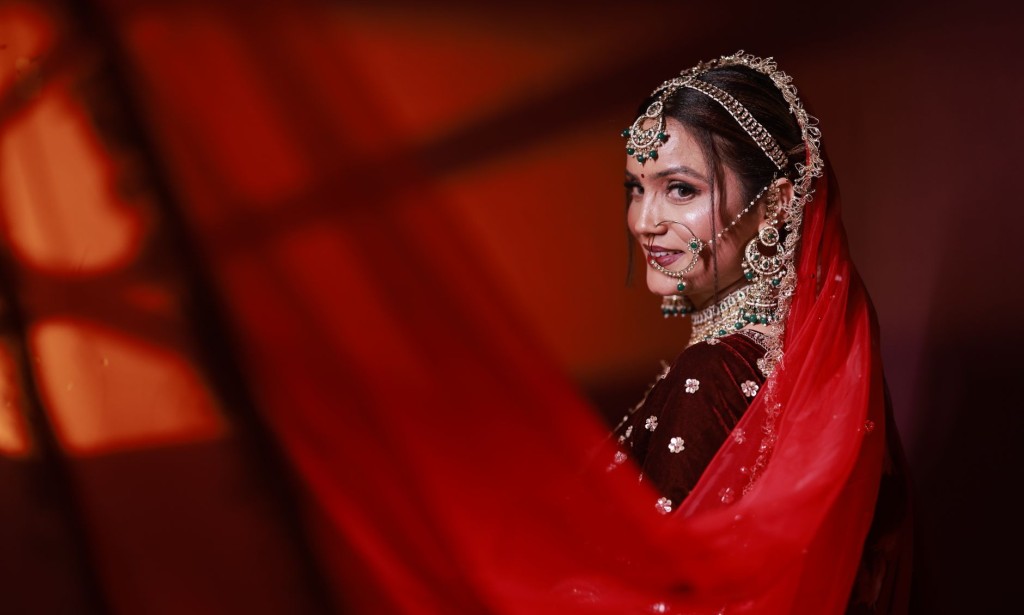
Pakistani wedding dresses represent one of the richest and most diverse bridal fashion traditions in the world. From the vibrant reds and deep maroons of traditional bridal lehengas to contemporary pastel-toned gowns and fusion designs, Pakistani wedding attire combines centuries-old craftsmanship with modern fashion sensibilities. Whether you are a bride-to-be, a wedding guest, or simply fascinated by South Asian fashion, understanding the world of Pakistani wedding dresses opens a window into the country's cultural heritage and evolving style landscape.
The Pakistani bridal wear industry is a multi-billion rupee market, with designers ranging from internationally acclaimed fashion houses to talented local artisans creating stunning pieces for every budget. This guide covers everything you need to know about Pakistani wedding dresses, including traditional and modern styles, top designers, fabric choices, price ranges, and tips for choosing the perfect outfit for your special occasion.
Types of Pakistani Wedding Dresses
Pakistani wedding fashion encompasses a wide variety of styles, each suited to different ceremonies, personal preferences, and regional traditions. Understanding the main categories helps narrow down your choices.
Bridal Lehenga
The lehenga is the most popular choice for Pakistani brides, consisting of a heavily embroidered skirt paired with a matching blouse (choli) and a dupatta (scarf). Traditional bridal lehengas feature intricate hand embroidery including zardozi, dabka, and tilla work on rich fabrics like velvet, organza, or raw silk. Colors range from classic deep red and maroon to modern shades of peach, blush pink, and even ivory. A quality bridal lehenga is the centerpiece of the wedding day and is often the most significant investment in the bride's wardrobe.
Bridal Sharara
The sharara is a traditional outfit consisting of wide-legged palazzo-style pants paired with a short or medium-length kurta and dupatta. Shararas have made a strong comeback in Pakistani bridal fashion, with modern interpretations featuring contemporary cuts and lighter embellishments. They are particularly popular for nikkah ceremonies and valima receptions, offering a regal yet comfortable alternative to the heavy lehenga. Many designers now create sharara sets that blend Mughal-era aesthetics with modern design elements.
Bridal Gharara
Similar to the sharara but with a distinctive ruched or gathered detail at the knee, the gharara is a traditional Lucknowi style that has been embraced in Pakistani bridal fashion. Ghararas are known for their elegant silhouette and are often crafted in lighter fabrics for a more fluid look. They are especially popular among brides who want a traditional look with a unique twist. The fitted upper portion that flares dramatically below the knee creates a striking visual effect.
Anarkali and Gown Style
Floor-length Anarkali dresses and gown-style outfits have become increasingly popular for Pakistani weddings, particularly for the valima reception. These outfits feature a fitted bodice that flows into a dramatic flared skirt, creating a princess-like silhouette. Modern Pakistani gown-style wedding dresses often incorporate Western design elements while maintaining traditional embroidery and embellishments. They are favored by brides who want a contemporary look that still honors cultural traditions.
Bridal Saree
While more commonly associated with Indian weddings, the saree is also worn by Pakistani brides, especially in Sindh and among Muhajir communities. Bridal sarees feature heavy embroidery, sequin work, and premium fabrics. They offer a sleek and sophisticated alternative to the voluminous lehenga, and many modern Pakistani brides choose to wear a saree for one of their wedding events, particularly the reception or valima.
Wedding Dress Styles by Ceremony
Pakistani weddings typically span multiple events over several days, each requiring a different outfit. Understanding which dress style suits each ceremony helps in planning your wedding wardrobe.
Mehndi Ceremony Outfits
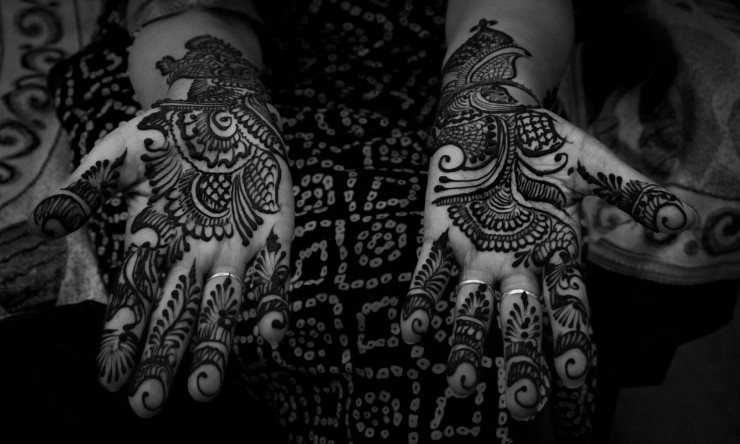
The mehndi is the most colorful and festive event in a Pakistani wedding. Brides traditionally wear bright yellow or green outfits, though modern brides increasingly opt for multicolor, parrot green, or even unconventional shades. Mehndi outfits are generally lighter in embellishment compared to the main wedding day, featuring mirror work, gota kinari, and colorful thread embroidery. Comfortable fabrics like cotton silk, lawn, and chiffon are preferred since the mehndi involves dancing and celebrations.
Nikkah Day Dress
The nikkah is the Islamic marriage ceremony, and brides often choose elegant yet relatively understated outfits. White, ivory, and pastel colors have become popular for nikkah dresses, reflecting a global trend toward lighter bridal tones. Many brides choose a beautifully embroidered sharara, a sophisticated Anarkali, or a minimalist lehenga for the nikkah. The focus is on grace and elegance rather than heavy ornamentation.
Barat Day Dress
The barat is the main wedding day and calls for the most elaborate outfit. This is when the bride traditionally wears the heaviest and most embroidered lehenga in deep red, maroon, or similar rich colors. The barat outfit is the most photographed and remembered, so brides typically invest the most in this dress. Full zardozi embroidery, heavy dupattas, and elaborate jewelry complement the barat look.
Walima or Reception Dress
The walima reception is hosted by the groom's family and is typically a more relaxed affair. Brides often choose lighter, more contemporary outfits in soft colors like blush, gold, silver, or pastels. Gown-style dresses, elegant sarees, and lightly embroidered lehengas are popular choices for the walima. The outfit should be comfortable yet glamorous, as the walima usually involves meeting many guests and extensive photography.
Top Pakistani Bridal Designers
Pakistan has produced some of the finest bridal wear designers in South Asia, known for their exceptional craftsmanship and innovative designs.
High-End Luxury Designers
Designers like HSY (Hassan Sheheryar Yasin), Bunto Kazmi, Faraz Manan, Elan, and Ali Xeeshan are among the most prestigious names in Pakistani bridal fashion. Their collections are showcased at major fashion weeks and are sought after by brides across Pakistan and internationally. These designers are known for using the finest fabrics, employing skilled artisans for hand embroidery, and creating one-of-a-kind pieces. Prices for luxury bridal wear from these designers typically start from PKR 500,000 and can exceed PKR 3,000,000 for heavily customized pieces.
Mid-Range Bridal Designers
A strong mid-range segment includes designers like Ansab Jhangir, Suffuse by Sana Yasir, Republic Womenswear, Asim Jofa, and Mohsin Naveed Ranjha. These designers offer beautiful bridal collections at more accessible price points while maintaining high quality standards. Bridal outfits from mid-range designers typically cost between PKR 150,000 and PKR 500,000, making them a popular choice for brides who want designer quality without the luxury price tag.
Budget-Friendly Options
For budget-conscious brides, numerous talented local tailors and smaller brands create stunning wedding dresses at affordable prices. Markets like Anarkali in Lahore, Tariq Road in Karachi, and Jinnah Super in Islamabad have shops specializing in bridal wear with prices starting from PKR 30,000 to PKR 150,000. Ready-made bridal outfits and pre-loved designer wear are also increasingly popular options for brides on a budget.
Pakistani Wedding Dress Price Guide
Understanding the price landscape helps set realistic expectations and budget for your wedding wardrobe. Prices vary significantly based on the designer, fabric, embroidery technique, and level of customization.
Budget Breakdown by Category
Basic unstitched bridal fabric with moderate embroidery starts from PKR 20,000 to PKR 50,000. Semi-stitched or ready-made bridal outfits from local brands range from PKR 30,000 to PKR 100,000. Custom-made bridal wear from established boutiques costs PKR 100,000 to PKR 300,000. Designer bridal collections from recognized names range from PKR 200,000 to PKR 800,000. Couture and luxury bridal pieces from top designers can range from PKR 500,000 to over PKR 3,000,000.
Factors Affecting Price
The biggest factor affecting wedding dress prices in Pakistan is the type and extent of embroidery. Hand-embroidered pieces using techniques like zardozi, dabka, and resham cost significantly more than machine-embroidered alternatives. Fabric choice also plays a major role, with pure silk, velvet, and imported organza commanding premium prices. Custom color dyeing, the number of panels in a lehenga, and the designer's brand value all contribute to the final cost.
Fabrics Used in Pakistani Wedding Dresses
The fabric is the foundation of any wedding dress, affecting how it looks, feels, and drapes. Pakistani bridal wear uses a variety of luxurious fabrics, each with distinct characteristics.
Traditional Fabrics
Velvet is a classic choice for winter weddings, offering rich texture and depth of color that complements heavy embroidery beautifully. Raw silk and tissue silk are popular year-round for their luxurious sheen and ability to hold intricate embroidery. Jamawar, a woven fabric with elaborate patterns, is traditional for special occasions and adds a regal touch to any outfit.
Modern Fabric Choices
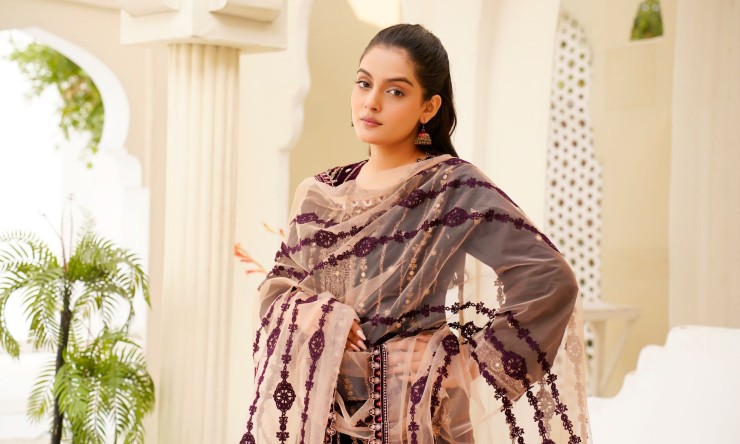
Organza has become the fabric of choice for many contemporary Pakistani brides, offering a lightweight, ethereal quality that creates beautiful silhouettes. Net and tulle are used for layering and creating volume in skirts and dupattas. Chiffon is preferred for lighter occasions like the mehndi and nikkah, while crepe and satin offer sleek, modern alternatives for reception wear. Many modern bridal outfits combine multiple fabrics for a textured, dimensional look.
Embroidery Techniques in Pakistani Bridal Wear
Pakistani embroidery is renowned worldwide for its intricacy and beauty. The embroidery on a wedding dress can take skilled artisans weeks or even months to complete.
Traditional Hand Embroidery
Zardozi is the most prestigious form of bridal embroidery, using gold and silver metallic threads to create elaborate motifs. Dabka embroidery uses coiled wire to create raised, textured patterns that catch the light beautifully. Tilla work involves flat metallic strips woven into the fabric for a distinctive shimmer. Resham embroidery uses silk threads to create colorful floral and paisley patterns. These hand embroidery techniques are what give Pakistani bridal wear its distinctive character and are the primary reason luxury bridal outfits command premium prices.
Modern Embellishments
Contemporary Pakistani wedding dresses often incorporate a mix of traditional and modern embellishment techniques. Sequin work, crystal embroidery, pearl detailing, and three-dimensional floral appliques are popular additions. Many designers combine hand embroidery with machine work to create pieces that balance artisanal quality with modern design aesthetics. Laser-cut details and digital prints are also emerging trends in Pakistani bridal fashion.
Where to Shop for Pakistani Wedding Dresses
Pakistan has numerous shopping destinations for wedding dresses, from traditional markets to modern boutiques and online platforms.
Major Shopping Destinations
Lahore is considered the bridal fashion capital of Pakistan, with areas like Anarkali Bazaar, Liberty Market, and MM Alam Road hosting hundreds of bridal shops and designer boutiques. Karachi's Tariq Road, Zamzama, and Clifton are known for both budget-friendly and luxury bridal shopping. Islamabad's Centaurus Mall, Jinnah Super, and F-7 Markaz have a growing number of bridal boutiques. Faisalabad, known as the textile hub of Pakistan, offers some of the most competitive prices for bridal fabrics and custom-made outfits.
Online Shopping
Online shopping for Pakistani wedding dresses has grown significantly, with many designers and boutiques offering their collections through websites and social media. Instagram has become a major platform for discovering bridal designers and smaller boutiques that may not have physical stores. Online platforms like Khaadi, Sana Safinaz, and other established brands offer bridal collections for delivery across Pakistan. When shopping online, always verify the seller's reputation, request detailed photographs, and understand the return policy before making a purchase.
Choosing the Perfect Pakistani Wedding Dress
Selecting the right wedding dress is one of the most important decisions in the wedding planning process. These practical tips help ensure you make the right choice.
Consider Your Body Type
Different dress styles flatter different body types. Lehengas with A-line skirts suit most body shapes, while fitted mermaid-style outfits look best on slender figures. Anarkali dresses are universally flattering due to their flowing silhouette. Shararas work well for taller brides as the wide legs create a balanced proportion. Consult with your designer or tailor about which style will complement your figure best.
Plan Ahead
Start shopping for your wedding dress at least four to six months before the wedding. Custom-made bridal outfits, especially those with heavy hand embroidery, can take two to four months to complete. Popular designers may have longer wait times during peak wedding season. Early shopping also gives you time for fittings, alterations, and any adjustments needed to ensure the perfect fit on your wedding day.
Set a Realistic Budget
Determine your total wedding wardrobe budget before you start shopping. Remember that you will need outfits for multiple events including mehndi, nikkah, barat, and walima, plus matching accessories and jewelry for each. Allocate the largest portion of your budget to the barat outfit, which is the most important, and plan more modest spending for other events.
Pakistani Wedding Dress Trends for 2026
Pakistani bridal fashion evolves continuously, blending traditional elements with contemporary influences. Current trends reflect a shift toward personalization and modern aesthetics.
Pastel and non-traditional colors continue to gain popularity, with brides choosing soft pinks, lavenders, mint greens, and even white or ivory for their wedding outfits. Minimalist embroidery with strategic placement rather than all-over coverage is trending among fashion-forward brides. Cape-style dupattas and trail additions are replacing traditional heavy dupattas for a more modern look. Fusion designs that combine Western gown elements with Pakistani embroidery techniques are increasingly popular, especially for the walima reception.
Sustainable and eco-conscious bridal fashion is also emerging in Pakistan, with some designers using recycled fabrics and environmentally friendly dyes. Vintage and heritage bridal outfits, including wearing a mother's or grandmother's wedding dress with modern modifications, are becoming a meaningful trend that connects generations through fashion.
Frequently Asked Questions
How much does a Pakistani wedding dress cost?
Pakistani wedding dress prices range widely from PKR 20,000 for basic ready-made outfits to over PKR 3,000,000 for couture pieces by top designers. Most brides spend between PKR 100,000 and PKR 500,000 on their primary wedding outfit. The total wedding wardrobe budget for all events typically ranges from PKR 200,000 to PKR 1,000,000 depending on the designer and level of customization chosen.
What color is traditional for Pakistani brides?
Deep red and maroon are the most traditional colors for Pakistani brides, symbolizing love, prosperity, and celebration. However, modern Pakistani brides increasingly choose non-traditional colors including pastel pink, peach, gold, ivory, and even white. The color choice often depends on personal preference, skin tone, and which ceremony the outfit is for, with lighter colors being more popular for nikkah and walima events.
Where is the best place to buy wedding dresses in Pakistan?
Lahore is widely considered the best city for bridal shopping in Pakistan, with areas like Anarkali Bazaar and Liberty Market offering everything from budget-friendly to luxury options. Karachi's Tariq Road and Zamzama are also excellent destinations. For budget shopping, Faisalabad offers competitive prices on fabrics and custom work. Online shopping through designer websites and Instagram has also become a reliable option for brides across the country.
How long does it take to get a custom wedding dress made in Pakistan?
A custom Pakistani wedding dress typically takes two to four months to complete, depending on the complexity of the design and embroidery. Heavily embroidered bridal lehengas with hand zardozi work may take up to six months. During peak wedding season, designers may have longer wait times. It is advisable to start the process at least four to six months before the wedding to allow time for design consultations, fabric selection, embroidery, stitching, and multiple fitting sessions.
Can I buy Pakistani wedding dresses online?
Yes, many Pakistani designers and boutiques sell bridal wear online through their websites, Instagram shops, and platforms like Khaadi and other established brands. When buying online, carefully review size charts, ask for detailed measurements, check the return and exchange policy, and verify the seller's reputation through reviews and testimonials. For significant purchases like a bridal lehenga, it is ideal to visit the designer in person if possible for custom fitting.
Conclusion
Pakistani wedding dresses are a beautiful expression of cultural heritage, skilled craftsmanship, and evolving fashion sensibilities. Whether you prefer a traditional red bridal lehenga with heavy zardozi embroidery or a contemporary pastel gown with minimalist design, the Pakistani bridal fashion industry offers something for every taste and budget. The key to finding your perfect wedding outfit is starting early, understanding the different styles and their suitability for each ceremony, setting a realistic budget, and working with a trusted designer or boutique. With Pakistan's rich textile tradition and talented designers, every bride can find a dress that makes her feel extraordinary on her special day.

Comments 5
Sign in to join the conversation.
Bohat achi research hai. Well done!
Bohat informative! dresses par aur likhein please.
Aise content ki talash thi. Mil gaya finally!
Bohat useful information hai. Bookmark kar liya.
Interesting! Complete ke baare mein kya khayal hai?