

How to Improve Yourself: 10 Habits for a Better Life
Self-improvement is the process of becoming a better version of yourself through small, consistent changes in your habits, thoughts, knowledge, and behavior. It does not mean becoming perfect or comparing your life with other people's achievements. Instead, it means understanding your strengths, recognizing your weaknesses, and taking practical steps toward a healthier, happier, and more meaningful life.
In today's busy world, many people want to improve themselves but struggle to find the right starting point. They may set ambitious goals, such as waking up early, reading more books, exercising daily, or learning a new skill. However, when immediate results do not appear, motivation often disappears. The problem is not always a lack of ability; sometimes, the goals are too ambitious or the routine is difficult to maintain.
The good news is that personal growth does not require a complete lifestyle change overnight. Simple actions, repeated every day, can gradually improve your confidence, discipline, relationships, and productivity. This guide explores ten practical habits that can help you improve yourself and make lasting progress in everyday life.
1. Set Clear and Realistic Goals
The first step toward self-improvement is knowing what you want to change. Without clear goals, it is easy to remain busy without making meaningful progress. Your goals give direction to your efforts and help you measure improvement over time.
Start by identifying one or two areas of your life that need attention. For example, you may want to improve your communication skills, manage your money better, become physically active, or learn a skill that supports your career.
Instead of saying, "I want to become successful," create a specific goal such as, "I will spend 30 minutes each day learning content writing for the next month." This goal is clear, measurable, and easier to follow.
Write your goals in a notebook or on your phone. Break larger goals into smaller tasks and review your progress every week. Remember that realistic goals are more useful than impressive plans that you never follow.
2. Build a Positive Morning Routine
How you begin your morning can influence the way you approach the rest of your day. A rushed morning filled with notifications and distractions can make you feel stressed before your important work even begins.
You do not need to wake up at five in the morning to become productive. The best routine is one that suits your schedule and allows you to begin the day with a clear mind.
Try starting your morning by drinking water, making your bed, stretching for a few minutes, and reviewing your priorities. You could also spend five minutes writing down three things you appreciate about your life.
For example, a student might review the day's study plan before opening social media. Someone working from home might prepare a quiet workspace before starting an assignment.
Keep your routine simple enough to repeat. A consistent 15-minute morning routine is more valuable than an elaborate routine that you abandon after two days.
3. Develop a Habit of Continuous Learning
Learning should not stop when you finish school or university. The world continues to change, and developing new knowledge helps you adapt, solve problems, and discover opportunities.

You can learn through books, educational videos, online courses, podcasts, and practical experience. Choose subjects that interest you or support your personal and professional goals.
For example, someone interested in freelance writing can practise grammar, study article structure, and learn basic search engine optimization. A student can improve communication by reading English articles and writing short summaries in their own words.
Set aside 20 minutes a day for learning. After studying something new, try applying it instead of simply collecting information. If you learn a writing technique, use it in your next article. If you learn a budgeting method, apply it to your monthly expenses.
Continuous learning becomes powerful when knowledge turns into action. You do not need to know everything; you simply need to remain willing to learn and improve.
4. Manage Your Time Wisely
Time management is not about filling every minute with work. It is about giving your attention to the activities that matter most. Without a plan, small distractions can consume hours that could have been used for meaningful progress.
Begin each day by selecting three important tasks. Complete the most demanding task when you have enough energy and fewer distractions. Break large assignments into smaller steps so they feel manageable.
One useful method is to work for 25 minutes and then take a five-minute break. During those 25 minutes, keep your phone away and focus on one task. After four sessions, take a longer break if needed.
For example, if you need to write an article, divide the work into research, outlining, drafting, editing, and proofreading. This approach makes the assignment easier to manage than trying to complete everything at once.
Also, learn to say no to activities that repeatedly interrupt your priorities. A realistic schedule should include rest, family time, and unexpected responsibilities. Effective time management helps you become productive without making your life unnecessarily stressful.
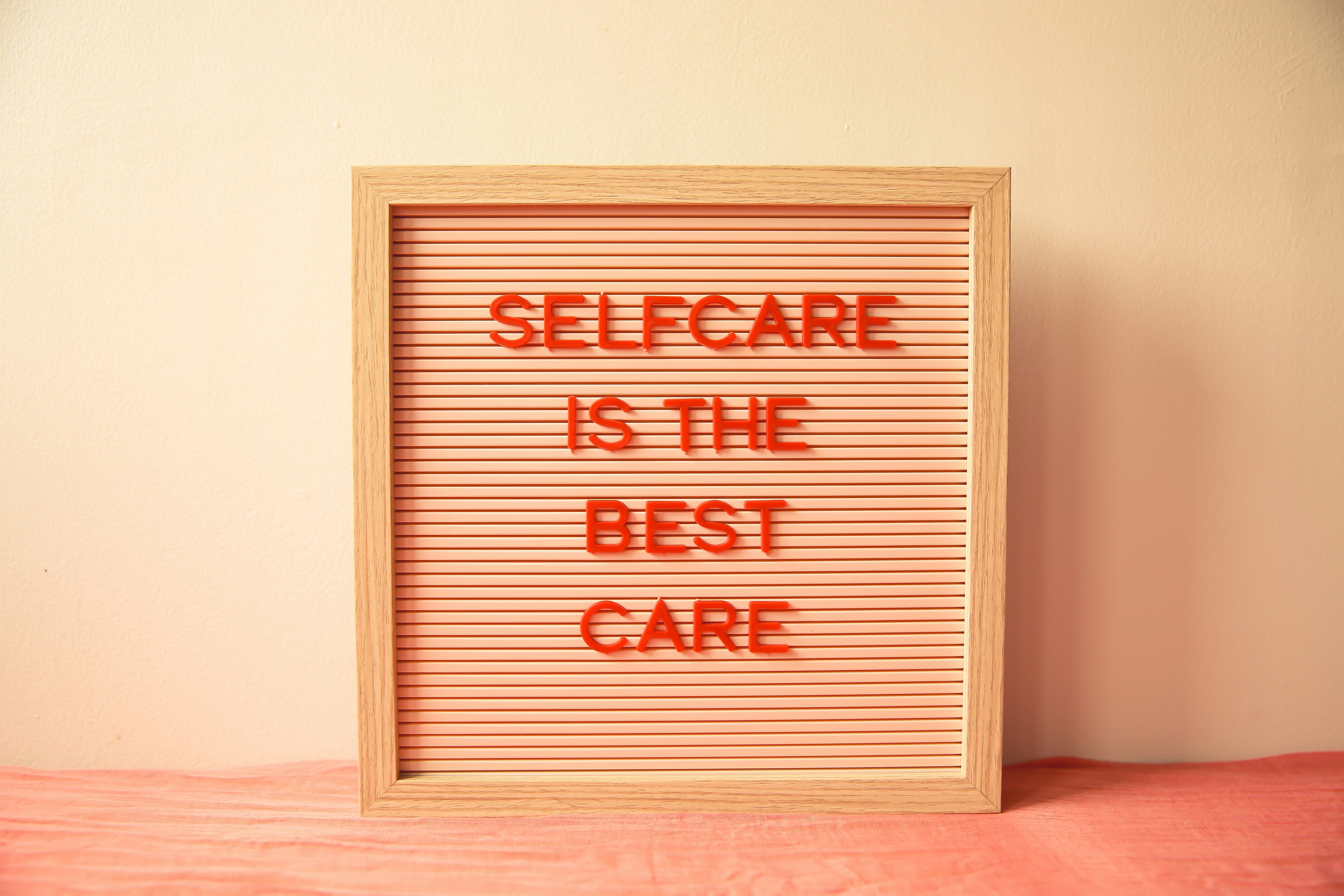
5. Take Care of Your Physical and Mental Well-Being
Personal growth is difficult when you constantly ignore your health. Your body and mind need adequate rest, movement, nutritious food, and time to recover from daily pressures.
Try to maintain a regular sleep schedule and create a relaxing routine before bedtime. Choose physical activities that suit your abilities, such as walking, stretching, cycling, or following a beginner-friendly exercise routine.
Pay attention to your eating habits and drink enough water throughout the day. You do not need an expensive gym membership or a perfect diet to begin taking better care of yourself. Small, sustainable choices can make healthy living more manageable.
Mental well-being deserves equal attention. Spend time doing activities that help you relax, such as journaling, reading, praying or meditating if meaningful to you, or talking with someone you trust.
For example, after a stressful day, you might take a 15-minute walk instead of spending the entire evening scrolling through your phone. The purpose is not to eliminate every difficult feeling but to develop healthier ways of responding to stress.
6. Improve Your Confidence Through Action
Confidence does not always appear before you take action. Often, it develops after you try something challenging, learn from the experience, and realize that you can handle more than you expected.
Many people delay opportunities because they are afraid of making mistakes or being judged. They may want to improve their speaking skills but avoid conversations, or they may want to start writing but worry that their first article will not be good enough.
Instead of waiting until you feel completely ready, begin with small challenges. Share your opinion respectfully during a discussion, practise speaking for two minutes each day, or complete a short project and ask for constructive feedback.
Keep a record of your progress. When you accomplish something difficult, write it down. On days when you doubt yourself, reviewing these experiences can remind you that improvement is possible.
True confidence is not believing that you will never fail. It is trusting yourself to learn, adjust, and try again when things do not go according to plan.
7. Learn From Mistakes Instead of Fearing Them
Mistakes are a normal part of learning. Whether you are studying, working, building a business, or improving a personal habit, you will sometimes make decisions that do not produce the results you expected.
The important question is what you do next. You can blame yourself endlessly, or you can examine the situation and identify what needs to change.
Suppose you planned to study for an hour but spent most of the evening on social media. Instead of deciding that you lack discipline, ask what caused the problem. Was your phone too close? Was your study target too large? Were you tired?
You might respond by keeping your phone in another room, studying in shorter sessions, or choosing a better time to concentrate.
This approach turns mistakes into useful feedback. It also helps you separate your behavior from your identity. Making a poor decision does not mean you are a failure; it means there is something you can learn.
Be honest about your mistakes without being unnecessarily harsh toward yourself. Responsibility encourages change, while constant self-criticism can make progress feel impossible.
8. Choose Your Environment and Relationships Carefully
Your surroundings can influence your habits, attitude, and decisions. Spending time with people who encourage learning, honesty, and personal responsibility can make positive change easier. In contrast, environments filled with constant negativity or unhealthy pressure may make it harder to focus on your goals.
This does not mean you should reject everyone who disagrees with you. Healthy relationships allow different opinions while maintaining mutual respect.
Try to spend more time with people who inspire you to grow, celebrate your genuine achievements, and offer constructive advice when you need it. At the same time, learn to establish boundaries with people or situations that repeatedly drain your energy.
Your digital environment matters too. If social media makes you compare your appearance, income, or achievements with others, consider unfollowing accounts that increase that pressure. Follow educational creators, useful communities, and people who share realistic experiences instead.
You can also improve your surroundings by keeping your workspace organized and making useful tools easy to access. A supportive environment will not solve every problem, but it can help you maintain better habits.

9. Practise Gratitude and Self-Reflection
Self-improvement involves recognizing what needs to change, but it also means appreciating what is already going well. If you focus only on your weaknesses, you may overlook your progress and feel that your efforts are never enough.
Gratitude helps you notice positive aspects of everyday life, even when everything is not perfect. You might appreciate a supportive friend, an opportunity to learn, a peaceful moment, or the fact that you completed a difficult task.
Spend a few minutes each evening writing down three things you appreciated that day. They do not have to be extraordinary achievements.
You can also practise self-reflection by asking yourself three questions:
- What did I do well today?
- What could I have handled better?
- What is one thing I will improve tomorrow?
Answer honestly without turning the exercise into a list of complaints about yourself. Over time, these questions can help you recognize patterns, understand your decisions, and make better choices.
Gratitude does not mean ignoring genuine problems. It means acknowledging the good in your life while continuing to work toward a better future.
10. Stay Consistent and Celebrate Small Progress
Consistency is one of the most important parts of lasting self-improvement. You may feel motivated when starting a new routine, but motivation naturally changes from day to day. Building habits that work even when you are not feeling inspired is what helps you continue.
Start small enough that the habit feels manageable. If you want to read more, begin with five pages a day. If you want to exercise, start with a short walk. If you want to write regularly, set a target of one focused paragraph before increasing your workload.
Track your habits using a notebook, calendar, or simple checklist. Seeing your progress can encourage you to continue, but remember that missing one day does not erase your achievements.
If you miss a planned activity, return to it as soon as reasonably possible. Avoid the all-or-nothing mindset that tells you a single setback has ruined your entire routine.
Celebrate meaningful milestones, too. Completing a course, finishing an article, saving money, or maintaining a habit for several weeks deserves recognition.
The goal is not to change everything in a month. It is to create a lifestyle in which learning, healthy choices, and steady progress become a natural part of your everyday routine.
Frequently Asked Questions
1. What is the first step in self-improvement?
Begin by identifying one area you want to improve. Set a realistic goal, break it into small actions, and practise those actions consistently. Starting with one manageable change is often more effective than attempting to change your entire lifestyle at once.
2. How can I improve myself every day?
Spend time learning something useful, organize your priorities, take care of your health, and reflect on your decisions. Even 15 to 30 minutes of focused effort can help you make progress when repeated regularly.
3. How long does self-improvement take?
There is no fixed timeline because different habits require different amounts of practice. Some changes may feel helpful quickly, while others require months of consistent effort. Focus on building sustainable routines rather than expecting immediate transformation.

4. How can I stay motivated when progress is slow?
Break large goals into smaller milestones and track the actions you can control. Remind yourself why the goal matters, adjust unrealistic expectations, and continue even when motivation is low. Progress is not always visible every day.
5. Can self-improvement help with career growth?
Yes. Developing communication, time management, problem-solving, and technical skills can improve your ability to perform at work and pursue opportunities. Combining continuous learning with practical experience makes those skills more useful.
Conclusion
Self-improvement is a lifelong journey built through everyday decisions rather than one dramatic transformation. Setting realistic goals, learning continuously, managing time, protecting your well-being, and developing confidence can gradually improve the way you live and work.
You do not have to follow all ten habits perfectly or change your life overnight. Choose one habit that addresses your most important need and begin practising it today. Once it becomes easier to maintain, introduce another small improvement.
Remember that your journey does not need to look like anyone else's. Some days will be productive, while others will be difficult. What matters is your willingness to learn from experience, adapt your approach, and keep moving forward.
Start small, stay consistent, and give yourself time to grow. Your future self will benefit from the positive choices you make today.

You must be logged in to post a comment.