

1. Understanding the Nature of Evil
Evil, in its simplest form, is the intentional infliction of harm, suffering, or injustice. It can manifest through actions, systems, ideologies, or even indifference to others’ suffering. Philosophers have debated for centuries whether evil is an external force, a psychological flaw, or a consequence of human free will. Regardless of the interpretation, one truth remains: evil disrupts the natural balance of human dignity and fairness.
Understanding evil is the first step toward resisting it. It often begins with small acts—prejudice, dishonesty, cruelty—that grow when left unchallenged. Evil can also be systemic, embedded within institutions that perpetuate inequality, violence, or oppression. Recognizing these forms of evil requires awareness, education, and moral clarity.

2. Historical and Cultural Perspectives on Fighting Evil
Across cultures and centuries, humanity has created myths, religions, and philosophies that address the fight between good and evil. In religious traditions like Christianity, Islam, Hinduism, and Buddhism, stories of divine justice often depict heroes or prophets who confront evil forces. In philosophy, thinkers like Socrates, Kant, and Nietzsche explored the roots of moral failure and ethical action.
Historical events—such as the fight against slavery, colonialism, Nazism, apartheid, and terrorism—show that evil can take many forms and that the human response must evolve accordingly. These movements teach us that combating evil is not only about punishment, but also about truth, reconciliation, and healing.
By learning from history, we equip ourselves with the moral and strategic tools needed to recognize and confront evil in our time.

3. Recognizing Evil in Modern Society
In today’s world, evil may not always appear as a villain with malicious intent—it can be disguised as misinformation, corruption, discrimination, or corporate exploitation. Social media, political systems, and economic inequality can all be platforms where evil manifests if not held in check.
Recognizing evil means critically examining the world around us. Are certain communities being marginalized? Are basic human rights being violated? Are people turning a blind eye to injustice for the sake of comfort or gain?
Education, media literacy, and open dialogue are vital for empowering individuals to recognize and reject evil in its many forms. Silence and neutrality, especially in the face of injustice, often empower wrongdoers. Therefore, awareness is not passive—it is an active, essential part of resistance.

4. The Role of Justice, Law, and Accountability
Fighting evil requires more than moral outrage—it needs a framework of justice and accountability. Legal systems, human rights organizations, and global courts play a critical role in deterring evil acts and protecting the innocent. Laws alone are not enough, however; they must be applied fairly and without bias.
True justice addresses the root causes of harm and seeks restoration. It also ensures that victims have a voice and that perpetrators face consequences. In democratic societies, mechanisms such as free press, transparent institutions, and civic participation are vital to keeping power in check and preventing systemic evil.
The rule of law, when upheld with integrity, becomes one of the most powerful tools in the fight against evil.

5. Personal Courage and Moral Responsibility
Evil often persists not just because of active wrongdoers, but because of the inaction of good people. Fighting evil requires moral courage—the bravery to stand up, speak out, and act when it’s easier to remain silent. Throughout history, individuals like Mahatma Gandhi, Martin Luther King Jr., Malala Yousafzai, and Nelson Mandela showed how personal integrity can lead to social transformation.
Taking responsibility means confronting your own biases, challenging injustice when you see it, and refusing to be complicit in harm. This might involve defending someone who is being mistreated, reporting unethical behavior, or educating others about harmful ideologies.
The path to goodness is built on choices—daily decisions to uphold truth, kindness, and justice, even when it costs us something personally.
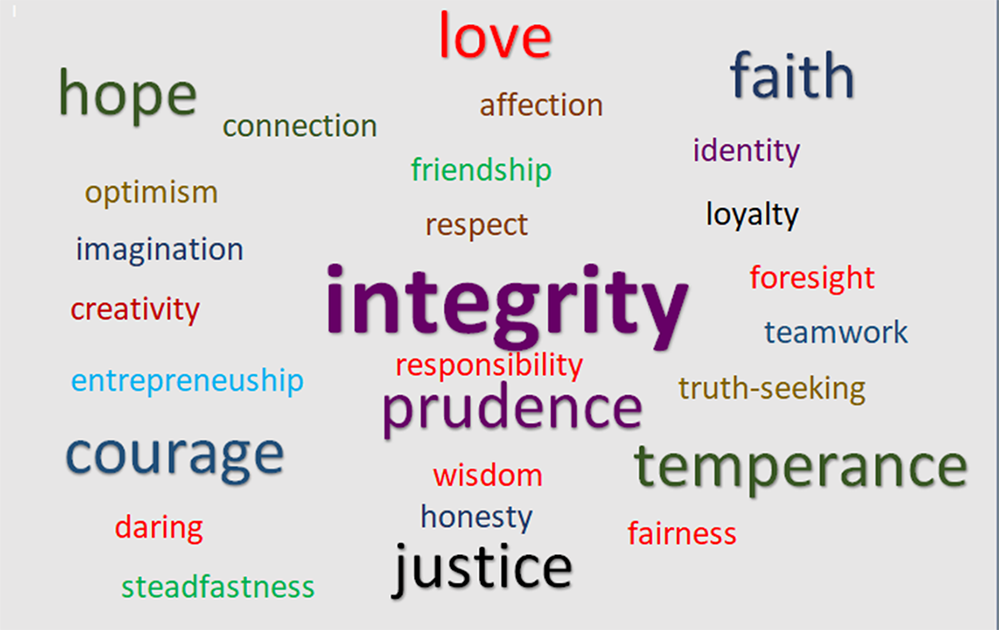
6. The Power of Goodness and Compassion
Goodness is not simply the absence of evil—it is an active force. Kindness, empathy, and compassion are transformative weapons against hate and cruelty. Helping others, listening deeply, and extending forgiveness are acts of resistance against a culture of violence or indifference.
Compassion creates community. When people feel seen, heard, and supported, they are less likely to turn toward hatred or isolation. Even small acts—sharing a meal, standing up for someone, or offering encouragement—can break cycles of negativity.
In a world plagued by suffering, goodness is a form of defiance. It proves that hope can survive, and that love is stronger than fear.







Comments 0
Sign in to join the conversation.
No comments yet. Be the first to say something.