

Hoarding: When “Just in Case” Becomes “Too Much”
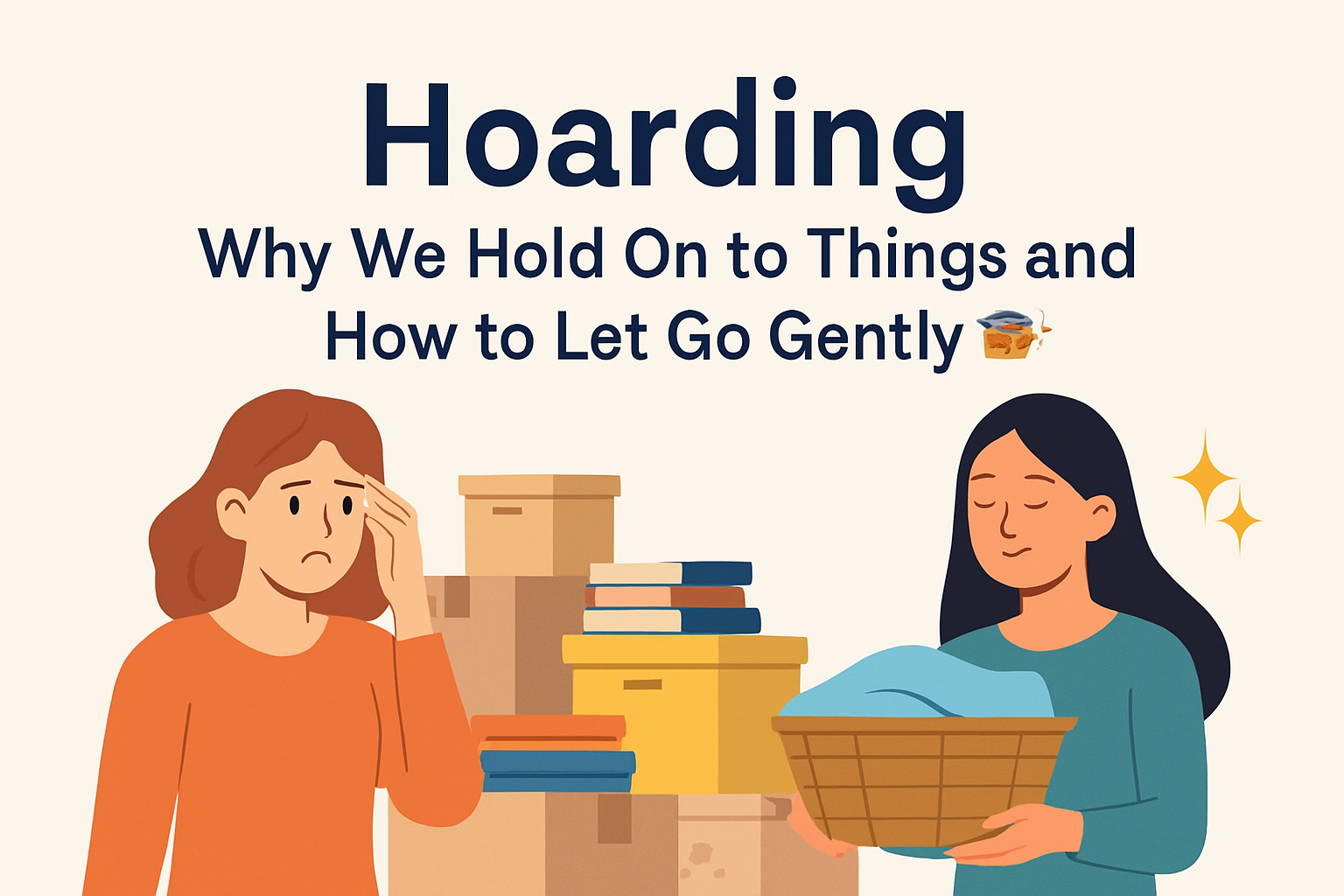 In today’s world, we often believe that more is better. A few extra clothes, old gadgets, unused decorations — they all seem harmless… until your home starts feeling more like a storage unit than a peaceful space 😩. That’s where hoarding quietly sneaks in. Hoarding isn’t just about mess or laziness — it’s emotional, personal, and sometimes even painful. If you’ve ever held on to something because “I might need it later” or “It has memories,” you’re not alone. Let’s gently explore what hoarding really is, why it happens, and how we can break free — one step (or one drawer) at a time 😊.
🤔 What Is Hoarding, Really?
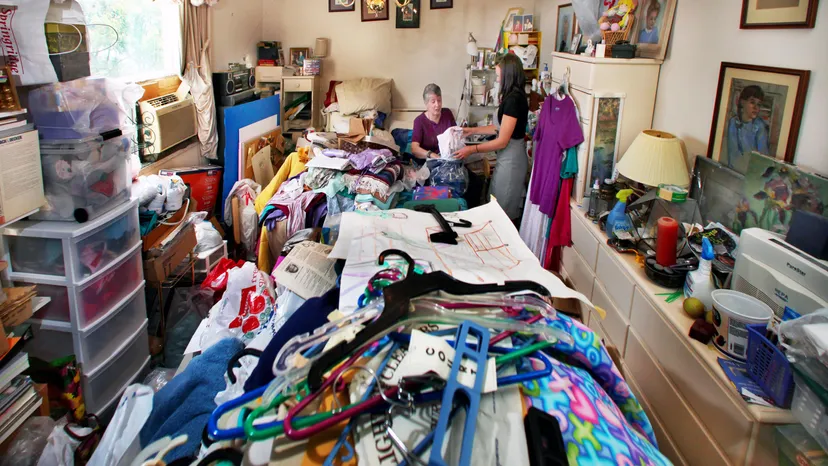
Hoarding means having difficulty letting go of things — no matter how small, broken, or unused they may be. From old receipts to unused kitchen tools, these items pile up over time, turning your home into a clutter zone 🏚️. But hoarding isn’t the same as collecting. ✔️ A collector proudly displays organized items with joy.❌ A hoarder hides or piles things chaotically, often out of fear, guilt, or attachment. Types of hoarding include:
- 🧦 Physical hoarding: Clothes, books, boxes, containers — anything and everything!
- 📱 Digital hoarding: Thousands of unread emails, screenshots, or photos.
- 💔 Emotional hoarding: Holding on to toxic relationships or painful memories.
🧠 Why Do We Hoard?
Hoarding often comes from a place of fear, trauma, or emotional need 😞. Some common reasons include:- “What if I need this later?” 😬 (Fear of scarcity)
- “This reminds me of someone I love.” 💌 (Sentimental value)
- “I can’t waste this!” 🗑️ (Guilt or responsibility)
- “I’ve lost before. I don’t want to lose again.” 💔 (Trauma or anxiety)

🚩 Signs You Might Be Hoarding
Hoarding doesn’t happen overnight. It slowly builds until we feel trapped by our own belongings. Here are a few red flags 🚨:- You can’t throw anything away — even broken stuff 🛠️
- Living spaces are full of clutter or even unsafe
- You feel anxious at the thought of donating or tossing items
- You avoid guests because you’re embarrassed 😔
- Your things are affecting your sleep, health, or relationships

🧹 How to Start Tackling Hoarding (Without Overwhelm)
You don’t have to empty your whole house in one weekend. Start small, stay calm, and be consistent 💪. Here’s how:- One spot at a time — A drawer, shelf, or even just a corner 📦
- Set rules — If you haven’t used it in a year, let it go 🗑️
- Create boxes — “Keep,” “Donate,” “Recycle,” “Throw”
- Use the one-in, one-out rule — Buy something? Let something go! 🛍️
- Take before/after photos — Motivation lives in progress! 📸
- ✍️ Journaling: Write why an item matters. You may realize you don’t need it to keep the memory.
- 🧠 Mindfulness: Ask yourself, “Does this item bring me peace or stress?”
- 🪞 Affirmations: “I am safe and secure. I don’t need this item to feel complete.”
- 🖼️ Visualize: Picture a clean, open space where you feel free and light.

🤝 Helping a Loved One Who Hoards
Watching someone you care about struggle with hoarding can be hard — but criticism won’t help. Compassion will ❤️. Tips for supporting them:- Don’t force clean-ups 🚫 — It causes anxiety.
- Offer help with sorting, not throwing.
- Listen more, judge less 👂
- Encourage therapy or support groups when they’re ready.
- Celebrate their small wins 🎉 — even if it’s just organizing a shelf!
🌟 A Fresh Start Awaits
Hoarding doesn’t define you. It doesn’t mean you’re messy or lazy. It just means you're human — with emotions, fears, and memories attached to “stuff.” But life isn’t meant to be lived in clutter. It’s meant to be full of comfort, joy, and breathing space 🌈. So take that first small step. Let go of what no longer serves you. Make room for peace. You’ve got this 💖. Understanding why people hoard is key to managing it. Common causes include fear of scarcity, emotional attachment, trauma, or mental health issues like OCD or anxiety. People may also hoard after losing something or someone important — believing that keeping “things” is a way to stay connected to the past. Signs of hoarding include difficulty throwing things away, feeling overwhelmed by clutter, hiding items, avoiding visitors due to embarrassment, and even harming relationships or health due to the mess. The good news? There’s always a way forward 🌱. To manage hoarding, start small. Don’t try to declutter everything at once. Pick a single shelf or drawer, and use categories like “Keep,” “Donate,” and “Toss.” Apply the “One Year Rule” — if something hasn’t been used in a year, it’s probably not needed. Reward yourself after each step, and remember: progress is better than perfection 👣. Because hoarding is emotional, mental strategies are helpful too. Journaling helps you reflect on why you want to keep an item. Mindfulness can ground you in the present, reminding you that happiness doesn’t live in objects. Visualizing a calm, clutter-free home can motivate lasting change 🏡✨. If someone you love struggles with hoarding, approach them with kindness. Don’t clean for them or push too hard. Instead, listen patiently, encourage without pressure, and celebrate even the smallest steps they take. Emotional safety leads to real progress 🤗. Ultimately, overcoming hoarding isn’t just about tidying up — it’s about creating room for peace, clarity, and joy. By understanding the emotional roots of hoarding and using practical strategies, anyone can transform their space and mind. Letting go is not a loss — it’s a gift you give yourself 🎁.But life isn’t meant to be lived in clutter. It’s meant to be full of comfort, joy, and breathing space 🌈.
So take that first small step. Let go of what no longer serves you. Make room for peace.
💬 Your Turn!
What’s one item y
 ou've been holding onto for too long — and why? Or do you have a tip or story that helped you overcome hoarding?
💡 We’d love to hear your journey! Drop a comment below and help others feel seen, supported, and inspired to begin their own decluttering
story.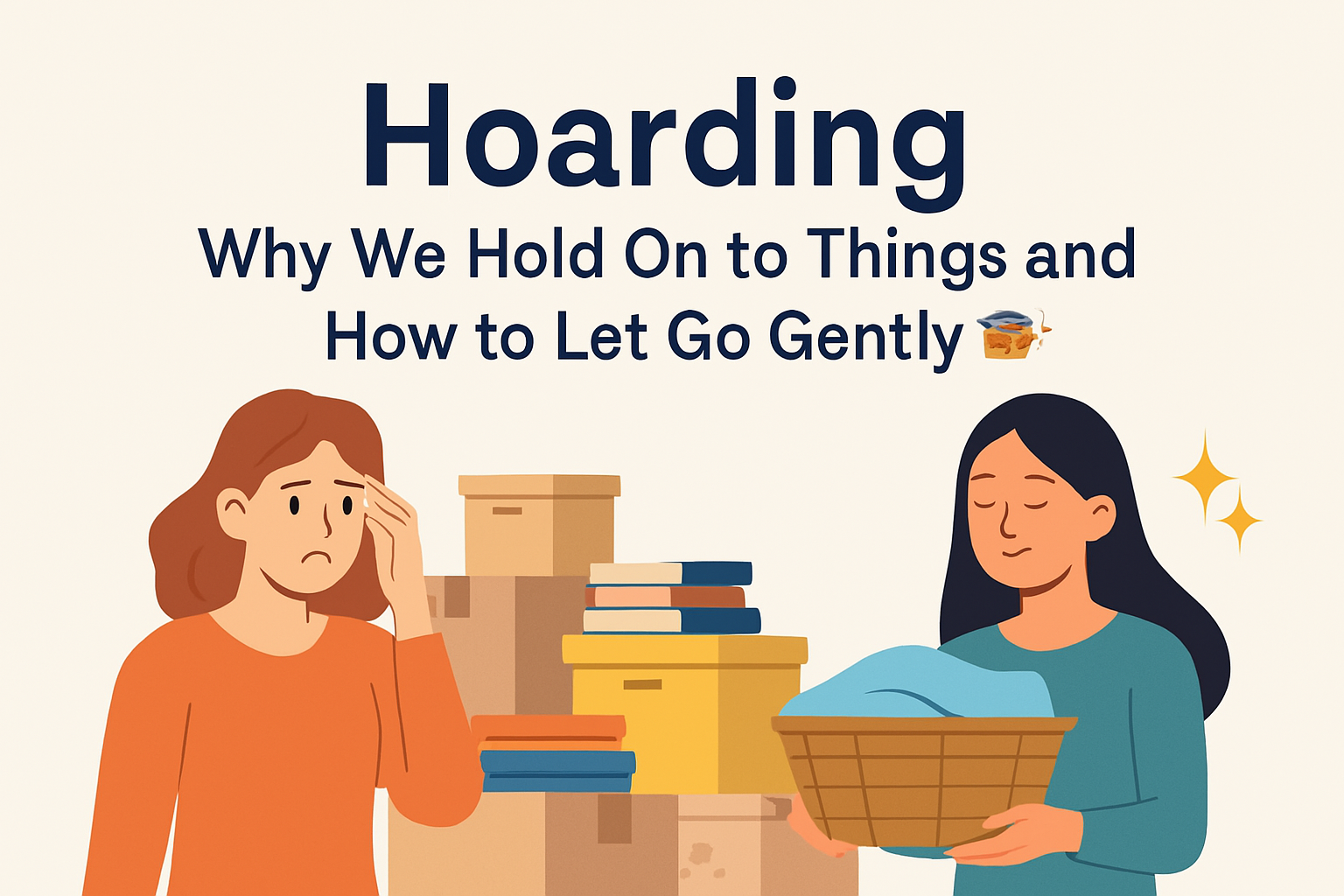
👉 If this article made you think or smile, share it with someone who might need this gentle nudge too 💌





Comments 0
Sign in to join the conversation.
No comments yet. Be the first to say something.