


A disorganized closet can often feel overwhelming, but with the right approach, you can transform it into a streamlined, functional space that makes getting dressed a breeze. Whether you're dealing with a cluttered wardrobe or simply looking to refresh your space, organizing your closet can lead to improved productivity, reduced stress, and a more satisfying wardrobe experience. Here’s a guide to help you go from chaos to curated by decluttering and organizing your closet.
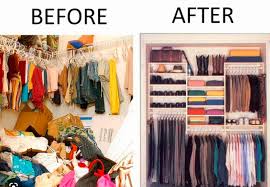
Step 1: Start with a Clean Slate
The first step in organizing your closet is to empty everything out. This gives you a clear view of what you have and helps you evaluate each item on its own.
Why You Should Empty Your Closet
- Evaluate Your Wardrobe: When all your clothes are out, you can see what you truly have, which makes it easier to assess what needs to stay, what can go, and what you might be missing.
- Clear Mental Space: A clean slate helps eliminate the mental clutter associated with a messy closet.
Step 2: Sort Your Clothes
Once your closet is empty, it's time to go through each piece of clothing. This is where you decide what to keep, what to donate, and what to toss.
The Four-Box Method
- Keep: Clothes that fit well, are in good condition, and are worn regularly.
- Donate: Items that no longer fit, are out of style, or you haven’t worn in a year or more.
- Repair: Clothes that need minor repairs but are still worth keeping.
- Toss: Items that are damaged, worn out, or beyond repair.
Tips for Sorting
- Ask Yourself: "Do I wear this regularly?" "Does it still fit my style?" "Is it in good condition?"
- Seasonal Rotation: Consider setting aside seasonal items (like winter coats or swimsuits) in storage bins to free up space for current season clothes.
Step 3: Categorize Your Wardrobe
After sorting, it’s important to categorize your wardrobe so you can easily access what you need.
Common Categories to Use
- Tops: Blouses, t-shirts, sweaters, etc.
- Bottoms: Pants, skirts, shorts.
- Outerwear: Jackets, coats, blazers.
- Accessories: Scarves, hats, jewelry, belts.
- Shoes: Sneakers, boots, heels, flats.
By grouping your clothing in categories, you can save time by knowing exactly where each type of item is stored.
Step 4: Invest in Storage Solutions
A well-organized closet relies on the right tools. Invest in storage solutions that make the best use of your space.
Popular Storage Options
- Hangers: Use matching hangers for a cleaner look and to maximize space.
- Drawer Organizers: For socks, underwear, and smaller items.
- Shelving and Bins: Stackable bins and shelves can help keep items tidy, especially for shoes, handbags, and folded clothes.
- Hooks and Pegs: Great for accessories, scarves, or bags that don’t require hanging in a closet.
Utilize Vertical Space
Maximize closet height by using shelves or hooks above your clothing for storing hats, bags, or seasonal items.
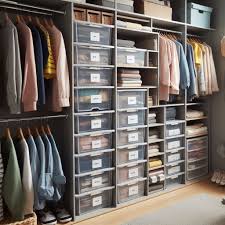
Step 5: Fold, Hang, and Store with Intention
Now that your clothes are sorted, it’s time to arrange them in a way that makes sense for your daily routine.
Hanging vs. Folding
- Hang: Items that wrinkle easily or require more structure, like blouses, dresses, suits, and coats.
- Fold: Knitwear, denim, casual shirts, and loungewear. Folding can save space and prevent clothes from stretching.
- Store in Bins: Seasonal items, shoes, and accessories that you don’t use every day can be stored in bins or boxes on higher shelves.
Step 6: Maintain Your Organized Closet
Once your closet is organized, it’s essential to maintain it regularly to prevent clutter from building up again.
Daily Maintenance Tips
- One-in-One-out Rule: For every new item you buy, donate or toss one item to keep your wardrobe manageable.
- Revisit Every Season: Every few months, reassess your wardrobe to ensure that it still aligns with your style, fits properly, and remains in good condition.
- Keep It Tidy: Set aside a few minutes each week to put away clothes, fold items, or hang them up to avoid piles forming.
Step 7: Curate Your Closet with Purpose
An organized closet is an opportunity to curate a wardrobe that truly reflects your style and needs. Instead of holding onto pieces that you never wear, focus on keeping items that are versatile, high-quality, and fit your current lifestyle.
Building a Functional Wardrobe
- Quality over Quantity: Invest in timeless pieces that can be mixed and matched.
- Color Coordination: A cohesive color palette can make it easier to create outfits and maximize wardrobe potential.
- Stay True to Your Style: Keep pieces that reflect your personality and make you feel confident.

Conclusion.
Transforming your closet from chaos to curated takes time and effort, but the result is a space that works for you. By decluttering, organizing, and curating your wardrobe thoughtfully, you can reduce stress, save time, and make dressing each day easier. Plus, a well-organized closet gives you the opportunity to rediscover forgotten pieces and embrace a more intentional approach to fashion. Happy organizing!





Comments 0
Sign in to join the conversation.
No comments yet. Be the first to say something.