


Introduction
Football is one of the most popular and exciting sports in the world. Millions of people play and watch football in different countries. It is a game that brings people together regardless of their age, culture, language, or background. From small school playgrounds to international stadiums, football has become an important part of people's lives.
Football is not only a source of entertainment but also a great way to maintain physical fitness, develop teamwork, and build confidence. It teaches players discipline, patience, leadership, and respect for others. Today, football is played professionally as well as recreationally, making it one of the most influential sports worldwide.
1. What Is Football?
Football is a team sport played between two teams, with eleven players on each side. The main objective is to score goals by kicking or heading the ball into the opponent's goalpost.
Players generally use their feet, heads, and other parts of their bodies to control and pass the ball. However, goalkeepers are allowed to use their hands within their designated penalty area.
A standard football match lasts 90 minutes, divided into two halves of 45 minutes each. The team that scores more goals wins the match.
Football requires physical strength, speed, coordination, concentration, and teamwork.
2. History of Football
Football has a long and interesting history. Different forms of ball games existed in ancient civilizations, including China, Greece, and Rome.
However, modern association football developed in England during the nineteenth century. In 1863, the Football Association was established in England, helping create standardized rules for the game.
Over time, football became popular across Europe and other parts of the world. International competitions and professional clubs helped increase its popularity.
Today, football is played in almost every country, and international tournaments attract millions of viewers.

3. Basic Rules of Football
Football is played according to specific rules that ensure fairness and discipline.
Some important rules include:
Each team has eleven players, including one goalkeeper.
Players cannot deliberately touch the ball with their hands or arms, except the goalkeeper within the penalty area.
A match normally consists of two 45-minute halves.
A goal is scored when the entire ball crosses the goal line between the goalposts and beneath the crossbar.
Fouls may result in free kicks or penalty kicks.
Yellow cards are used as warnings, while red cards result in a player's dismissal.
The referee is responsible for controlling the match and enforcing the rules.
These rules help maintain fair competition between both teams.
4. Importance of Teamwork in Football
Teamwork is one of the most important elements of football. No single player can win a match without support from teammates.
Players must communicate with each other, pass the ball effectively, defend their goal, and create opportunities to score.
Every player has a specific responsibility. Defenders protect their goal, midfielders connect different areas of the field, forwards focus on scoring, and goalkeepers prevent the opponent from scoring.
Successful teams understand the importance of cooperation, trust, and shared responsibility.
Football teaches an important life lesson: working together can achieve greater results than working alone.
5. Physical Benefits of Playing Football
Football is an excellent physical activity that supports a healthy lifestyle.
Running, jumping, kicking, and changing direction help improve cardiovascular fitness and muscle strength.
Regular participation in football may provide several health benefits:
Improves heart and lung health.
Strengthens muscles and bones.
Develops balance and coordination.
Improves speed and flexibility.
Supports healthy body weight.
Increases physical stamina.
Encourages an active lifestyle.
Playing football regularly can help children and adults remain physically active and energetic.
6. Mental and Emotional Benefits
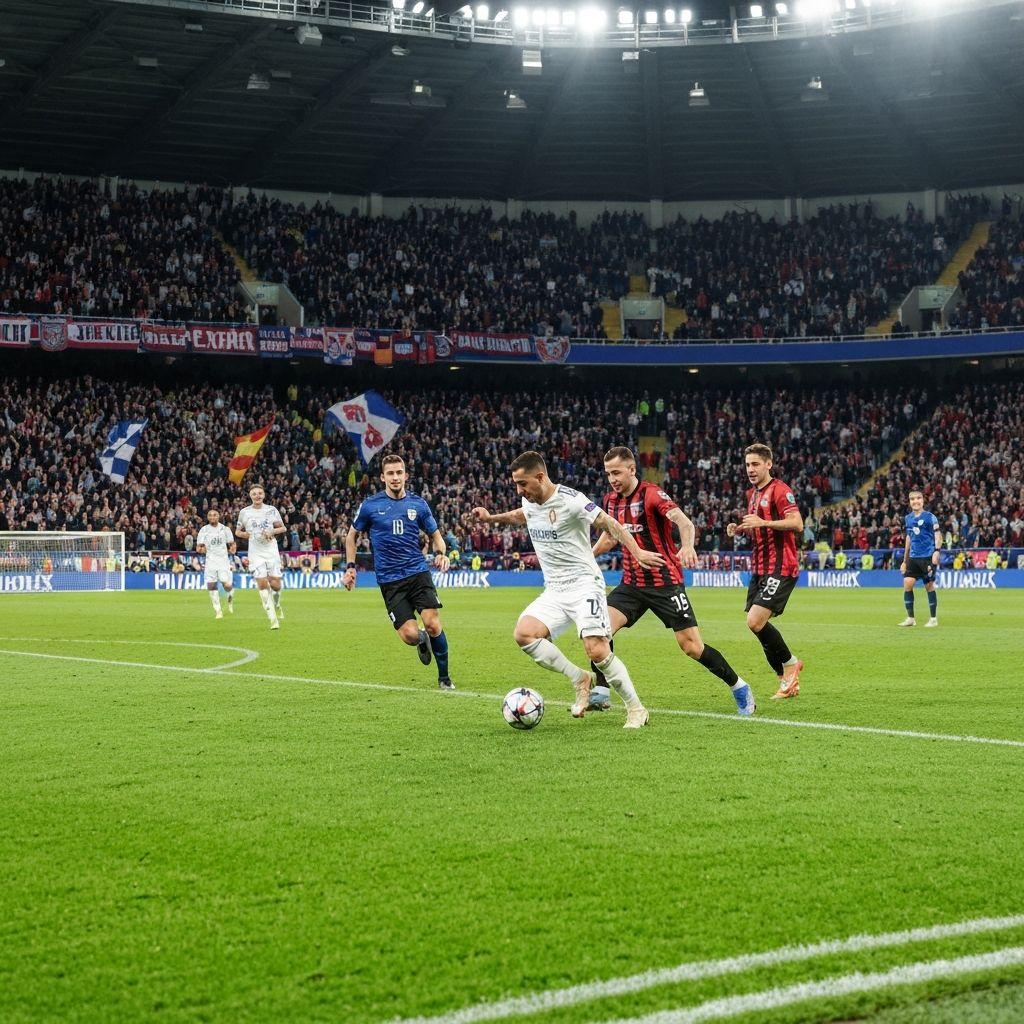
Football does not only improve physical health; it also supports mental and emotional development.
Players learn how to handle pressure, accept defeat, and celebrate success responsibly. The game requires concentration, quick decision-making, and problem-solving skills.
Playing with teammates can also develop friendships and reduce feelings of loneliness.
Football teaches patience because success does not always come immediately. Players must continue practising, improving their skills, and learning from their mistakes.
These experiences can build confidence and a positive attitude towards life.
7. Famous Football Competitions
Several international football competitions attract millions of fans around the world.
The FIFA World Cup is one of the biggest sporting events. It brings together national teams from different countries to compete for the world championship.
The UEFA Champions League is another famous competition in which leading European football clubs compete against one another.
Other popular competitions include the UEFA European Championship, Copa América, and English Premier League.
These tournaments provide entertainment and create opportunities for talented players to demonstrate their abilities.
8. Famous Football Players
Football has produced many legendary players who have inspired millions of people.
Lionel Messi is widely admired for his exceptional dribbling, creativity, and goal-scoring ability.
Cristiano Ronaldo is famous for his athleticism, determination, discipline, and outstanding performances.
Pelé is remembered as one of the greatest football legends in history. Diego Maradona also became famous for his extraordinary skills and unforgettable performances.
These players have influenced younger generations and encouraged many children to follow their dreams of becoming professional footballers.
9. Football in Pakistan
Football is also played in Pakistan, where many young people enjoy the sport at schools, colleges, universities, and local grounds.
Although cricket receives more attention in the country, football has a dedicated community of players and supporters.
Pakistan has a football history and participates in international football competitions. Local clubs and academies provide opportunities for young players to develop their skills.
More investment in sports facilities, coaching, training programmes, and youth competitions could help improve football in Pakistan.
Schools and educational institutions can also encourage students to participate in football and other physical activities.
10. Technology in Modern Football
Technology has changed modern football in several ways.
The Video Assistant Referee (VAR) system helps referees review important decisions during matches. Goal-line technology helps determine whether the ball has completely crossed the goal line.
Modern training equipment and performance analysis software also help coaches evaluate players' performance.
Fitness trackers and video analysis allow teams to understand players' movements, speed, and physical condition.
These developments have made professional football more advanced and helped improve the accuracy of important decisions.
11. Challenges in Football
Despite its popularity, football has several challenges.
Players sometimes experience injuries due to intense physical activity. Lack of proper training facilities and equipment can also affect young athletes.
Other problems include unfair treatment, discrimination, violence among supporters, and financial difficulties faced by smaller clubs.
To improve the sport, football organizations should promote fair play, provide better training opportunities, and protect players' health and safety.
Respect between players, coaches, referees, and supporters is essential for maintaining the true spirit of football.
12. The Future of Football
The future of football looks promising. New technologies, improved coaching methods, and international competitions are creating more opportunities for players.
Women's football is also growing rapidly, with more countries investing in women's teams and competitions.
Young players can now learn football skills through online tutorials, professional academies, and organized training programmes.
With proper facilities and support, talented individuals from different backgrounds can develop their abilities and achieve professional success.
Football will continue to connect people, inspire young generations, and create unforgettable sporting moments.
Conclusion
Football is much more than a game. It is a sport that promotes teamwork, discipline, fitness, confidence, and friendship. It brings people from different cultures together and creates excitement around the world.
Whether played professionally or for enjoyment, football offers valuable physical, mental, and social benefits.
By encouraging young people to participate in sports and providing better opportunities for talented players, communities can build a healthier and more active future. Football will remain one of the world's most loved sports for generations to come.








Comments 0
Sign in to join the conversation.
No comments yet. Be the first to say something.