

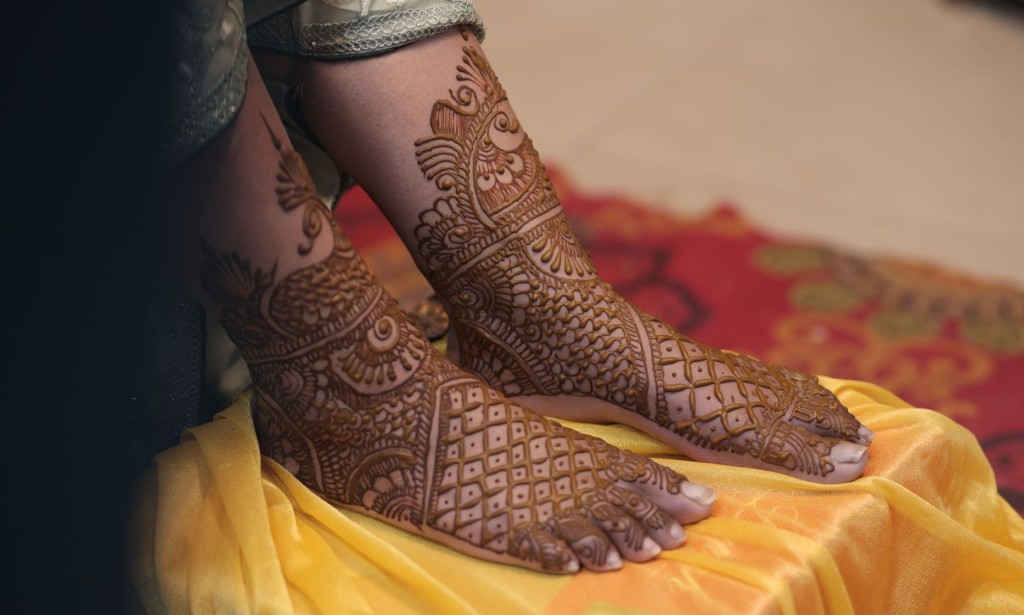
Foot mehndi adds elegance to any occasion, from weddings to festivals. Explore beautiful designs perfect for decorating your feet. Mehndi, the traditional art of applying henna to the skin, has been a cherished part of South Asian culture for centuries. The feet are one of the most graceful canvases for mehndi designs, and when done correctly, they can transform your entire look and add a touch of traditional beauty to any celebration. Whether you're preparing for a wedding, attending a festival, or simply want to adorn yourself with this beautiful art form, foot mehndi designs offer endless possibilities for creativity and expression.
Popular Foot Mehndi Styles
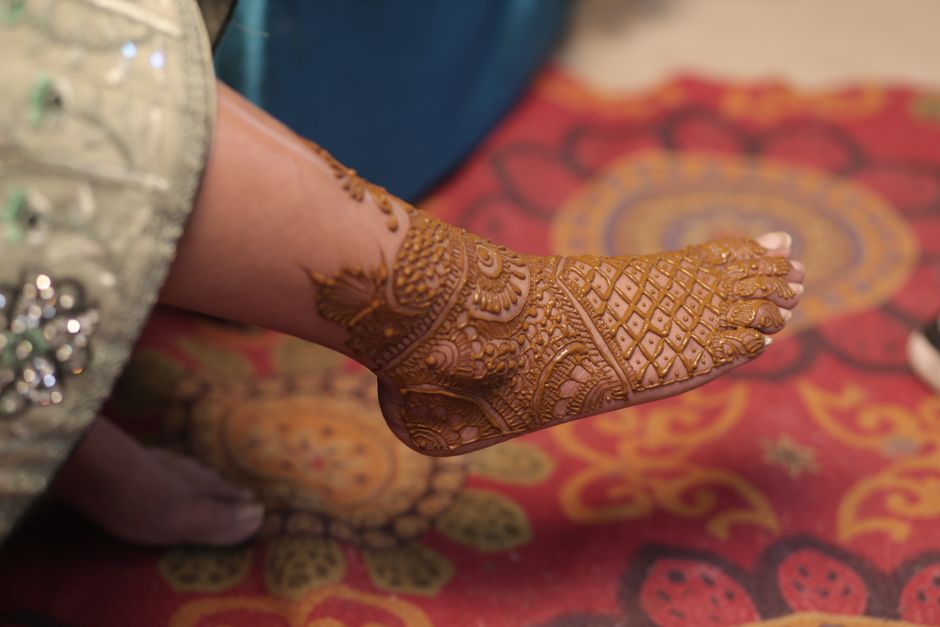
Traditional Full Foot Design
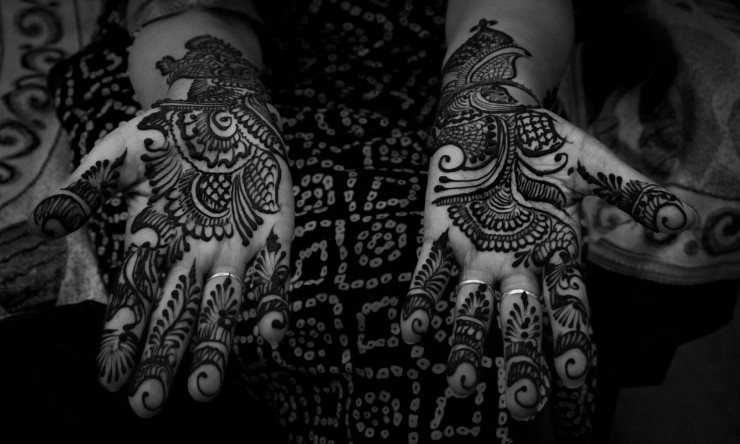
Covers the entire foot from toes to ankle with intricate patterns and motifs. This classic style is perfect for weddings and formal occasions. The full foot design showcases the mehndi artist's skill and patience, requiring several hours to complete. These designs typically feature elaborate patterns that cover every inch of the foot, creating a stunning visual impact. The traditional full foot design often includes multiple layers of patterns, starting with bold outlines and filling in with detailed motifs. This style is particularly popular for bridal mehndi ceremonies where the bride wants to make a bold statement with her mehndi.
Toe Ring Style
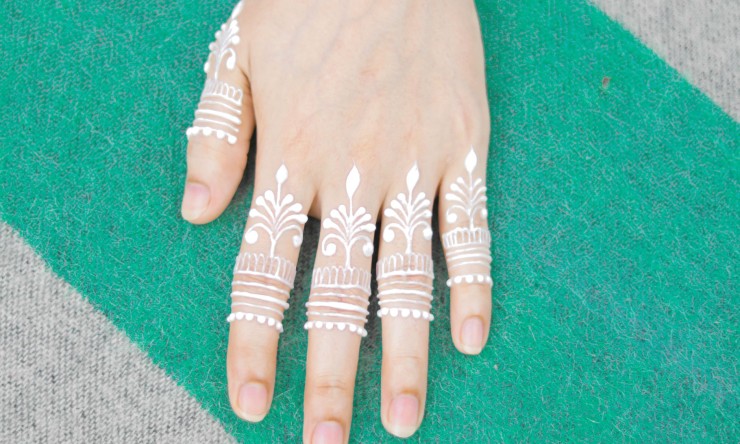
Delicate designs focusing on toes and top of foot, resembling anklets and toe rings. This style is perfect for those who prefer minimal mehndi coverage. The toe ring style emphasizes the delicate beauty of the foot by creating intricate patterns that look like jewelry wrapped around the toes and top of the foot. This contemporary approach combines traditional mehndi art with modern jewelry aesthetics, allowing you to achieve an elegant look without extensive coverage. These designs are often preferred by younger women and for casual celebrations where a lighter touch of mehndi is desired.
Side Pattern Mehndi
Designs flowing along the side of the foot for an elegant look. This artistic style creates movement and flow, making your feet appear more graceful. Side pattern mehndi works exceptionally well for those who want to showcase their foot while maintaining a sophisticated appearance. The flowing patterns along the sides can include vine-like designs, floral motifs, or geometric patterns that complement the natural shape of the foot. This style has gained popularity in recent years for its balanced approach between coverage and minimalism.
Bridal Full Coverage Designs
Extensive mehndi designs specifically created for brides, covering the entire foot, ankle, and sometimes extending up the leg. Bridal mehndi is an art form in itself, with mehndi artists spending 4-6 hours creating intricate, personalized designs for the bride. These designs often include the groom's initials or wedding motifs, making them uniquely special for the occasion. The intensity and elaborateness of bridal foot mehndi is unmatched, with multiple color variations and layers of detail that create a mesmerizing effect.
Design Elements
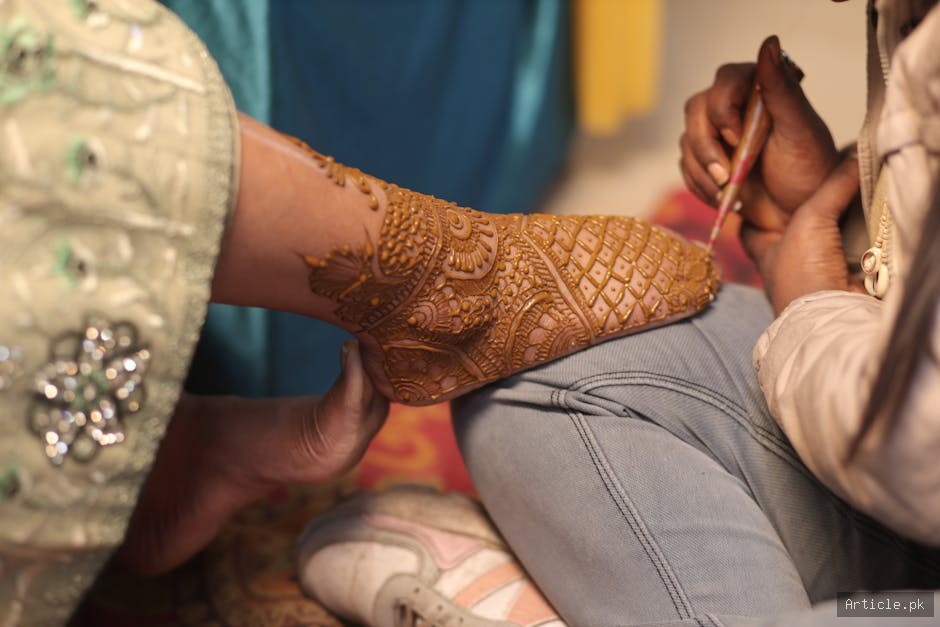
- Paisley patterns along the arch – the classic teardrop-shaped motif that adds traditional elegance
- Floral motifs on top of foot – roses, jasmine, and lotus designs that symbolize beauty and grace
- Mandala designs at ankle – circular geometric patterns representing wholeness and cosmic energy
- Vine patterns connecting toes – flowing, organic designs that unify the entire foot
- Geometric borders – structured patterns that frame and define the overall design
- Intricate fillings – detailed patterns that fill the spaces between main motifs
- Dot work and dotting – precision technique that adds texture and dimension
Application Tips
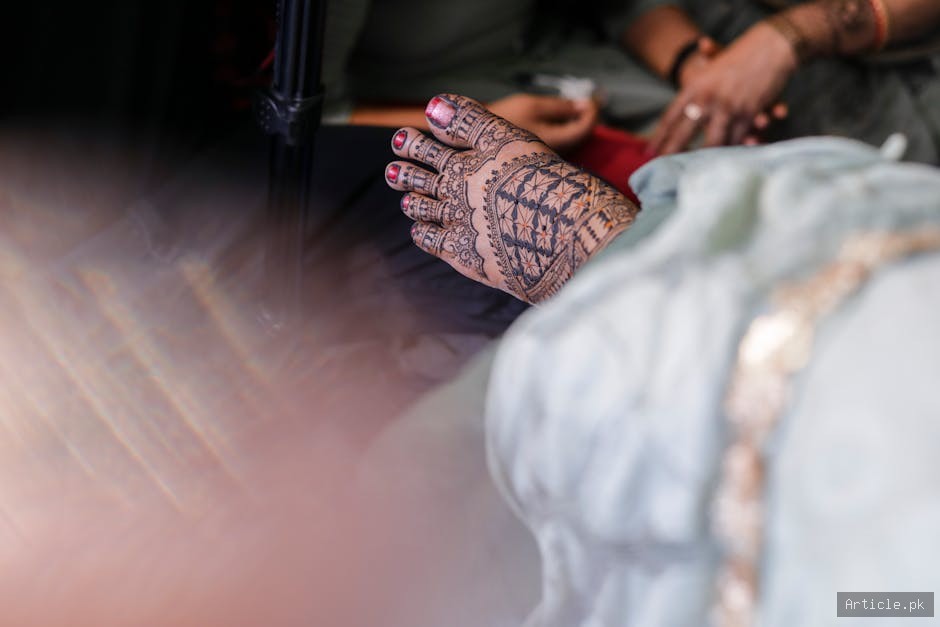
- Clean and exfoliate feet before application – removes dead skin and allows better henna absorption
- Start from toes and work upward – ensures even coverage and prevents smudging
- Keep feet still while drying – prevents cracking and distortion of the design
- Avoid walking until fully dried – usually takes 4-6 hours for complete drying
- Apply oil for darker stain – use coconut or lemon oil to enhance the color
- Leave henna paste on for 6-8 hours – longer contact time equals darker stain
- Avoid water for 24 hours – allows the stain to fully develop and become deeper
- Moisturize regularly – keeps the stain vibrant and prevents cracking of the henna
Best Occasions
- Weddings and bridal functions – the most elaborate and detailed mehndi applications
- Eid celebrations – a cultural tradition for Muslim festivals
- Karwa Chauth – an important occasion for married women in North India and Pakistan
- Diwali festivities – the festival of lights is incomplete without mehndi
- Engagement ceremonies – to celebrate the beginning of a new chapter
- Baby showers – a joyous occasion for expecting mothers
- Birthday celebrations – adding a festive touch to the special day
Mehndi Care and Longevity
The lifespan of mehndi typically ranges from 10-14 days, depending on how well you care for it. Natural henna stains fade gradually, but you can extend the life of your mehndi by following a few simple steps. Avoid excessive water exposure, especially during the first 24-48 hours after application. When you do wash your feet, use lukewarm water and avoid harsh soaps that can fade the stain. Regular moisturizing with oils like coconut, almond, or olive oil not only keeps your skin healthy but also helps maintain the vibrancy of the mehndi. Some women prefer to use lemon juice mixed with sugar on their feet to deepen the stain further during the initial days.
Choosing the Right Mehndi Artist
Selecting an experienced mehndi artist is crucial for achieving the desired results. Look for artists who have a portfolio showcasing their previous work, particularly foot mehndi designs. Reading reviews and asking for recommendations from friends and family can help you find a reliable artist. Discuss your design preferences, budget, and timeline with the artist before booking. A good mehndi artist will listen to your ideas, offer suggestions, and create a custom design that complements your personal style and the occasion. Don't hesitate to ask questions about the henna being used – natural, high-quality henna produces better stains and lasts longer than low-quality alternatives.
Frequently Asked Questions
How long does it take to apply foot mehndi?
The application time varies depending on the complexity of the design. A simple toe ring style might take 1-2 hours, while a full foot design can take 3-5 hours. Bridal mehndi with extensive coverage can take 4-6 hours or even longer. The artist's experience and the level of detail also influence the duration.
Is natural henna safe for everyone?
Natural henna is generally safe for most people. However, some individuals may have sensitive skin or allergies. It's advisable to do a patch test 24-48 hours before the actual application. If you have a history of skin allergies, consult with a dermatologist. Always use pure, natural henna without chemical additives to minimize the risk of allergic reactions.
How can I make my mehndi stain darker?
To achieve a darker stain, leave the henna paste on for 6-8 hours or longer. After the paste is removed, avoid water for at least 24 hours. Apply oil like lemon juice mixed with olive oil or coconut oil to the area. Keep your feet warm as this helps the stain develop better. The darker the stain develops, the more you're following proper mehndi care practices.
Can I wear shoes with fresh mehndi?
It's best to avoid wearing shoes immediately after mehndi application. Fresh henna needs time to dry completely, and shoes can smudge the design or cause the paste to crack. Wait at least 6-8 hours after application before wearing shoes. If you must wear footwear, opt for open sandals and be very careful not to rub your feet against them.
What's the difference between natural and black mehndi?
Natural mehndi is made from henna leaves and produces a reddish-brown stain. Black mehndi contains additional chemicals like PPD (paraphenylenediamine) that create a darker color but can be harmful to skin. Natural mehndi is the safer option and is the traditional choice. While it may not be as dark as black mehndi, natural henna produces a beautiful, lasting stain without the health risks.
Conclusion
Foot mehndi completes your festive look and adds traditional elegance to any celebration. Whether you choose a simple toe ring design or an elaborate full foot pattern, mehndi has the power to transform your appearance and connect you to a rich cultural heritage. The art of mehndi is not just about aesthetics; it's about celebrating traditions, expressing creativity, and feeling beautiful. With the right design, proper application technique, and diligent aftercare, your foot mehndi can be a stunning work of art that lasts and brings joy throughout its duration. Embrace this beautiful tradition and let your feet tell a story of elegance and grace.



Comments 0
Sign in to join the conversation.
No comments yet. Be the first to say something.