


The fashion industry is a reflection of consumer preference.
cultural trends, and technological advancements. However, the divide between fast fashion and slow fashion has become one of its most debated aspects. While fast fashion caters to the demand for affordable, on-trend clothing, slow fashion emphasizes quality, sustainability, and ethical practices.
This article explores the differences between fast and slow fashion, their respective impacts on society and the environment, and how they shape trend adoption in the modern world.
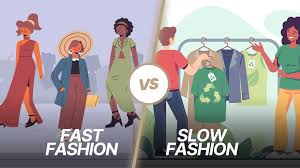
What Is Fast Fashion?
Fast fashion refers to the rapid production of inexpensive, trendy clothing that mimics runway designs or celebrity styles. This model prioritizes quick turnover and affordability to meet consumer demand.
Key Features:
- Speedy Production: New styles hit stores in weeks, ensuring relevance to current trends.
- Low Costs: Cheap materials and mass production keep prices low.
- Disposable Nature: Clothing is often not made to last, leading to a “wear-and-toss” culture.
What Is Slow Fashion?
Slow fashion, on the other hand, emphasizes ethical and sustainable practices. It encourages thoughtful consumption, high-quality craftsmanship, and environmental responsibility.
Key Features:
- Quality Over Quantity: Focus on durable, timeless pieces.
- Sustainable Materials: Use of organic, recycled, or biodegradable fabrics.
- Ethical Production: Fair wages and safe working conditions for laborers.
The Divide in Trend Adoption
Fast Fashion’s Role in Trends
- Rapid Response: Fast fashion brands can replicate runway trends almost instantly, making high-fashion styles accessible to the masses.
- Short Lifespan: Trends in fast fashion have a fleeting nature, often lasting only a few months before being replaced by new ones.
- Accessibility: Affordable pricing makes it easier for consumers to experiment with trends.
Slow Fashion’s Approach to Trends
- Timelessness: Slow fashion prioritizes styles that transcend seasonal trends, focusing on longevity.
- Deliberate Adoption: Trends are incorporated thoughtfully, ensuring alignment with sustainable and ethical values.
- Exclusive Appeal: Higher prices and limited production make slow fashion less accessible but more prestigious.
Ethical and Environmental Implications
Fast Fashion’s Impact
- Environmental Damage:
- High use of water, energy, and non-biodegradable materials.
- Massive textile waste and pollution.
- Exploitation of Labor:
- Workers often face low wages, unsafe conditions, and long hours.
- Overconsumption:
- The constant release of new collections fosters a cycle of overbuying and discarding.
Slow Fashion’s Impact
- Eco-Friendly Practices:
- Reduced carbon footprint through sustainable materials and production methods.
- Fair Labor:
- Ensures ethical treatment and fair compensation for workers.
- Conscious Consumption:
- Encourages mindful purchasing, reducing waste and promoting appreciation for craftsmanship.
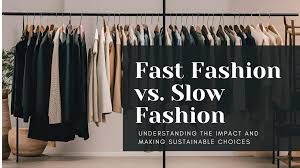
The Role of Consumers
Consumer choices play a significant role in shaping the divide between fast and slow fashion. Awareness and education about the ethical and environmental consequences of fast fashion are driving a shift toward more sustainable practices.
Fast Fashion Consumers
- Seek affordability and trendiness.
- Often prioritize convenience over ethics.
- Contribute to the culture of instant gratification.
Slow Fashion Consumers
- Value sustainability and quality.
- Are willing to invest more for durable, ethically produced items.
- Advocate for minimalism and mindful consumption.
The Future of Fashion
Bridging the Divide
While fast and slow fashion seem oppositional, there is potential for a middle ground:
- Eco-Friendly Fast Fashion: Some brands are adopting sustainable practices, such as using recycled fabrics or implementing circular economy models.
- Affordable Slow Fashion: Innovations in production may make ethical fashion more accessible to the average consumer.
The Role of Technology
Technology is driving change in both sectors:
- Fast Fashion: AI and data analytics are improving trend prediction and inventory management, reducing waste.
- Slow Fashion: Blockchain ensures transparency in supply chains, and 3D printing offers sustainable manufacturing solutions.
How to Make Ethical Choices
Practical Steps for Consumers
- Educate Yourself: Learn about the brands you support and their production practices.
- Buy Less, Choose Well: Invest in versatile, high-quality pieces that last.
- Support Ethical Brands: Opt for companies that prioritize sustainability and fair labor.
- Embrace Secondhand Fashion: Thrifting and vintage shopping reduce waste and extend the life of garments.
Conclusion.
The divide between fast and slow fashion represents a broader conflict between convenience and conscience, affordability and sustainability. While fast fashion satisfies the need for instant gratification, it often comes at a high ethical and environmental cost. Slow fashion, though less accessible, offers a path toward a more responsible and sustainable future.




Comments 0
Sign in to join the conversation.
No comments yet. Be the first to say something.