

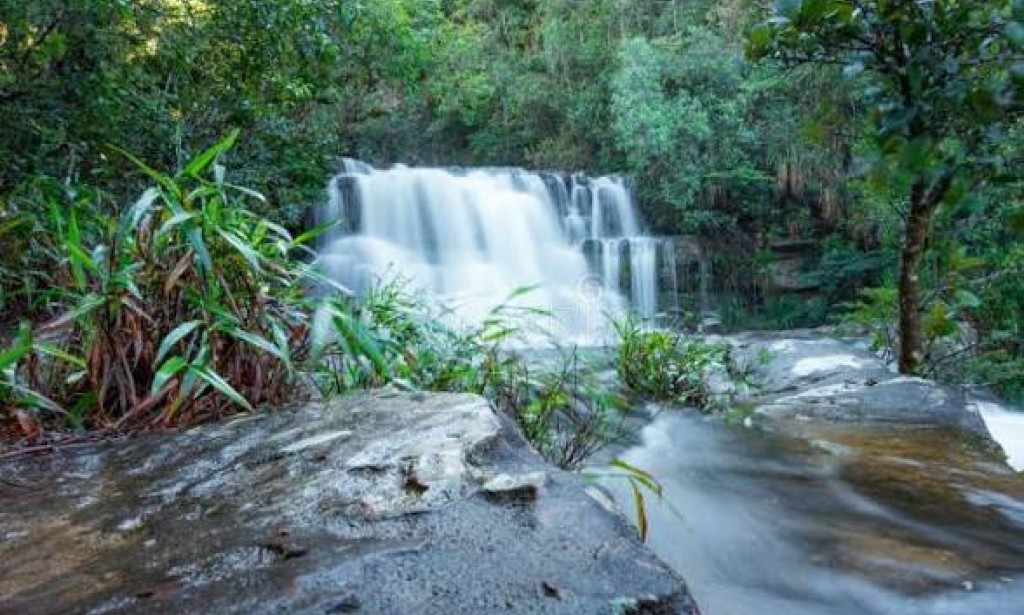
The Importance of Environmental Protection for a Cleaner and Healthier Future
A clean and healthy environment is essential for human life. The air we breathe, the water we drink, and the land where we grow food are all connected to nature. A healthy environment supports human health, protects wildlife, and provides the resources needed for future generations. However, increasing pollution, deforestation, plastic waste, and climate change are creating serious challenges around the world.
Environmental protection is not only the responsibility of governments or large organizations. Every individual can contribute through small daily actions. Keeping surroundings clean, saving water, planting trees, and reducing unnecessary waste are simple habits that can make a meaningful difference. Understanding environmental problems is the first step toward building a cleaner and safer world.
Understanding the Importance of a Healthy Environment
The environment provides everything people need to survive. Forests produce oxygen, rivers supply freshwater, and fertile soil supports agriculture. Oceans and natural habitats provide homes for countless plants and animals. When these natural systems remain healthy, people and wildlife benefit from a balanced ecosystem.
Unfortunately, human activities have placed increasing pressure on natural resources. Industrial pollution, vehicle emissions, excessive plastic use, and the destruction of forests contribute to environmental damage. These problems can affect air quality, water supplies, agricultural production, and public health.
Air pollution is one of the most visible environmental challenges. Smoke from factories, vehicles, and burning waste releases harmful substances into the atmosphere. Poor air quality can create breathing difficulties and other health problems. Clean transportation, improved industrial practices, and responsible waste management can help reduce pollution.
Water pollution is another serious concern. Plastic materials, chemicals, sewage, and industrial waste can contaminate rivers, lakes, and oceans. Polluted water threatens aquatic animals and makes clean drinking water harder to obtain. Protecting water sources requires proper waste disposal and greater public awareness.
Deforestation also creates long-term environmental problems. Trees absorb carbon dioxide, provide shelter for wildlife, and help maintain natural water cycles. When forests disappear, many animals lose their habitats, soil becomes more vulnerable to erosion, and local ecosystems become weaker.
Climate change is closely connected to environmental protection. Rising temperatures, changing rainfall patterns, extreme weather events, and melting glaciers affect communities in different parts of the world. Protecting forests, reducing pollution, and using energy efficiently can support efforts to address these challenges.
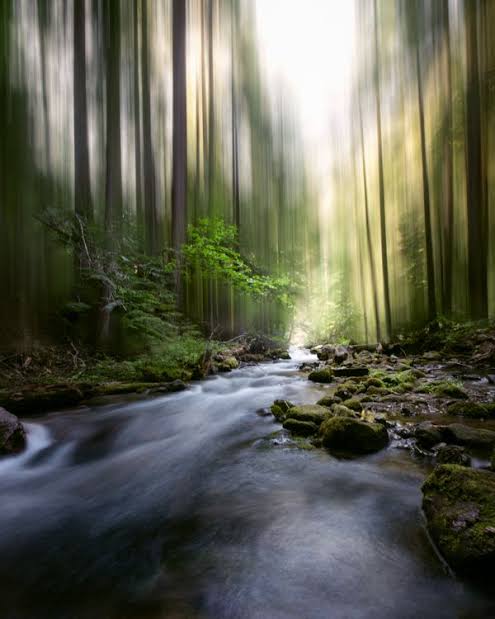
Simple Ways to Protect Nature Every Day
Protecting the environment does not always require expensive equipment or complicated projects. Many useful actions can become part of ordinary daily routines.
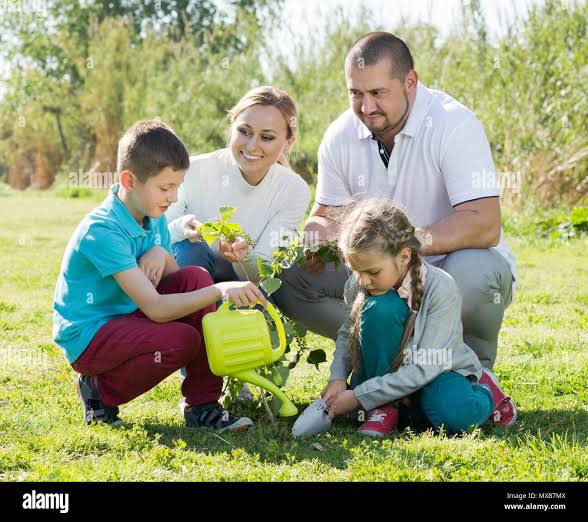
Planting trees is one of the simplest ways to support nature. Trees provide shade, improve air quality, store carbon, and create habitats for birds and other animals. Families, schools, and local communities can organize tree-planting activities in suitable areas. However, planting trees should be accompanied by regular watering and care to help them survive.
Reducing plastic waste is another important step. Single-use plastic bags, bottles, and packaging can remain in the environment for many years. People can reduce unnecessary plastic by carrying reusable shopping bags, using refillable water bottles, and choosing products with less packaging.
Saving water is equally important. Turning off taps while brushing teeth, repairing leaking pipes, and using water carefully during household activities can reduce unnecessary consumption. Communities can also support water conservation by protecting local water sources and avoiding the dumping of waste into rivers and canals.
Energy conservation helps protect natural resources. Switching off unused lights, choosing energy-efficient appliances, and making better use of natural daylight can reduce electricity consumption. Walking, cycling, or using public transportation when practical can also help reduce vehicle emissions.
Waste management plays an important role in maintaining clean surroundings. Separating recyclable materials, composting suitable food waste, and disposing of rubbish responsibly can reduce pressure on landfills. People should avoid throwing garbage into streets, open spaces, and waterways.
Education and awareness are also necessary. Schools can arrange environmental activities, cleanliness campaigns, and educational discussions. Children who learn to respect nature at an early age may develop responsible habits that continue throughout their lives.
Building a Sustainable Future Through Community Efforts
Environmental protection becomes more effective when individuals, communities, businesses, and governments work together. Personal habits are important, but larger environmental challenges also require organized planning and long-term cooperation.
Schools can help students understand the value of natural resources. Teachers can encourage children to participate in gardening, recycling projects, and classroom cleanliness activities. These experiences make environmental education more practical and meaningful.
Local communities can organize neighborhood cleaning campaigns and tree-planting programs. Residents can work together to remove rubbish from public spaces, maintain gardens, and spread awareness about responsible waste disposal. Community participation also encourages people to take pride in their surroundings.
Businesses have an important responsibility as well. Companies can reduce unnecessary packaging, manage industrial waste carefully, and improve energy efficiency. Responsible production methods can reduce environmental damage while supporting long-term economic development.
Governments can contribute through environmental laws, public transportation improvements, renewable energy projects, and effective waste management systems. Protecting forests, wildlife habitats, rivers, and coastal areas also requires proper planning and enforcement.
Renewable energy sources such as solar and wind power offer opportunities to reduce dependence on fossil fuels. These technologies can support cleaner energy production when developed with proper planning and environmental consideration.
Sustainable living means meeting present needs without unnecessarily damaging the ability of future generations to meet their own needs. It encourages responsible consumption, efficient use of resources, and respect for natural ecosystems.
Technology and innovation can also support environmental progress. Better recycling systems, cleaner transportation, efficient irrigation methods, and improved renewable energy technologies can help communities use resources more responsibly.
Every generation has an opportunity to improve the condition of the planet. Young people, families, educators, and community leaders can contribute by making environmental responsibility part of everyday life. Consistent efforts, even when they seem small, can encourage wider positive change.
Conclusion
Environmental protection is essential for a healthy population, balanced ecosystems, and a sustainable future. Pollution, deforestation, plastic waste, and climate change are serious challenges, but responsible actions can help reduce their impact.
People can contribute by planting trees, saving water, reducing plastic use, conserving energy, and keeping public spaces clean. Schools, businesses, communities, and governments should also work together to protect natural resources.
A cleaner future begins with responsible decisions today. By respecting nature and encouraging sustainable habits, we can help create a healthier environment for ourselves and future generations.
Frequently Asked Questions
1. What is environmental protection?
Environmental protection means taking actions to preserve natural resources, reduce pollution, protect wildlife, and maintain healthy ecosystems.
2. Why is environmental protection important?
It supports human health, protects biodiversity, maintains clean air and water, and helps preserve natural resources for future generations.
3. How can individuals protect the environment?
Individuals can plant trees, save water, reduce plastic waste, recycle materials, conserve electricity, and keep their surroundings clean.
4. What are the major causes of environmental pollution?
Major causes include industrial waste, vehicle emissions, plastic pollution, deforestation, burning fuels, and improper disposal of rubbish.
5. How can students help protect nature?
Students can participate in tree-planting activities, recycling programs, school cleanliness campaigns, and environmental awareness projects.







Comments 0
Sign in to join the conversation.
No comments yet. Be the first to say something.