


In a world increasingly aware of environmental challenges, the fashion industry is under scrutiny for its environmental impact. From water-intensive production processes to overflowing landfills, the traditional fashion model contributes significantly to global pollution. However, the rise of sustainable fashion offers a solution that combines style with responsibility.
This article explores what sustainable fashion is, why it matters, and how individuals can embrace eco-friendly elegance for a brighter, greener future.
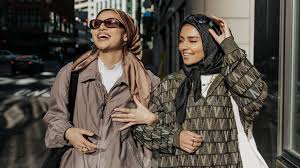
What Is Sustainable Fashion?
Sustainable fashion refers to clothing, accessories, and footwear designed, produced, and consumed in ways that minimize their environmental and social impact. This approach encompasses everything from eco-friendly materials to ethical labor practices and long-lasting designs.
Key Elements of Sustainable Fashion
- Eco-Friendly Materials: Fabrics like organic cotton, recycled polyester, and hemp reduce water use, chemical inputs, and waste.
- Ethical Labor Practices: Fair wages, safe working conditions, and respect for workers’ rights are essential.
- Low-Impact Production: Reducing energy use, water consumption, and emissions during manufacturing.
- Circular Fashion: Emphasizing reuse, recycling, and repair to extend the life cycle of garments.
Why Sustainable Fashion Matters
Environmental Benefits
- Reduced Pollution: Using organic and natural dyes minimizes chemical runoff into water systems.
- Less Waste: Encouraging repair and reuse reduces landfill contributions.
- Conservation of Resources: Sustainable practices conserve water, energy, and raw materials.
Social Benefits
- Fair Wages: Ethical brands prioritize fair pay and safe conditions for workers.
- Empowering Communities: Supporting artisans and local industries preserves cultural heritage and provides livelihoods.
Economic Benefits
- Long-Lasting Products: High-quality, durable garments reduce the need for frequent replacements, saving money in the long run.
- Innovation and Jobs: The demand for sustainable practices drives innovation and creates new opportunities in eco-friendly industries.
How to Embrace Sustainable Fashion
1. Build a Capsule Wardrobe
A capsule wardrobe consists of versatile, timeless pieces that can be mixed and matched to create various outfits. Focusing on quality over quantity reduces the need for fast-fashion purchases.
Tip: Invest in neutral-colored basics and accessories that never go out of style.
2. Choose Sustainable Brands
Support brands that prioritize sustainability in their materials, production methods, and labor practices. Look for certifications like GOTS (Global Organic Textile Standard) and Fair Trade.
Tip: Research your favorite brands to ensure they align with sustainable values.
3. Buy Secondhand or Vintage
Secondhand shopping extends the lifecycle of clothing and prevents it from ending up in landfills. Vintage stores, thrift shops, and online platforms offer unique, affordable options.
Tip: Swap clothes with friends or explore online marketplaces like Poshmark or ThredUp.
4. Repair and Upcycle
Instead of discarding damaged or outdated clothing, consider repairing or upcycling it into something new and creative.
Tip: Learn basic sewing techniques or consult a tailor to breathe new life into old garments.
5. Practice Conscious Consumption
Avoid impulse buying and focus on purchasing only what you truly need. This reduces waste and supports thoughtful consumption.
Tip: Before buying, ask yourself if the item aligns with your style and will be worn frequently.

Sustainable Materials to Look For
1. Organic Cotton
Grown without synthetic pesticides or fertilizers, organic cotton uses less water and is gentler on the environment.
2. Recycled Polyester
Made from plastic waste like bottles, recycled polyester reduces the demand for virgin materials and lowers greenhouse gas emissions.
3. Tencel (Lyocell)
Produced from sustainably sourced wood pulp, Tencel is biodegradable, soft, and requires less water and energy to produce.
4. Hemp
A fast-growing crop that requires minimal water and pesticides, hemp is durable, breathable, and highly sustainable.
5. Bamboo
Bamboo fabrics, when produced sustainably, are biodegradable, soft, and naturally antibacterial.
The Role of Technology in Sustainable Fashion
1. 3D Printing
3D printing allows for precise, on-demand garment production, reducing fabric waste.
2. Blockchain Transparency
Blockchain technology helps track a garment’s journey from raw materials to finished product, ensuring transparency and accountability.
3. Smart Fabrics
Innovations in fabrics that can self-clean, adjust to temperature, or biodegrade are paving the way for future sustainable solutions.
The Future of Sustainable Fashion
As consumer awareness grows, the demand for eco-friendly and ethical fashion is reshaping the industry. Leading brands are investing in sustainable practices, and governments are implementing regulations to curb waste and emissions. The future of fashion lies in collaboration between consumers, designers, and policymakers to create a circular economy where waste is minimized, and resources are maximized.
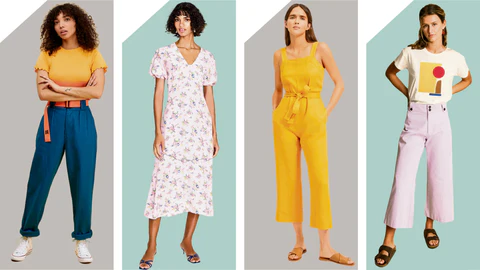
Conclusion.
Sustainable fashion is more than a trend; it’s a movement toward a responsible and stylish future. By making thoughtful choices, such as supporting eco-friendly brands, embracing secondhand shopping, and prioritizing quality over quantity, individuals can contribute to a healthier planet while expressing their personal style.



Comments 0
Sign in to join the conversation.
No comments yet. Be the first to say something.