


Personal style is a powerful form of self-expression.
It’s not just about wearing clothes—it’s about embracing your identity, feeling comfortable in your own skin, and projecting confidence in any situation. Developing your personal style takes time, but the journey is rewarding, as it helps you build a wardrobe that reflects who you truly are.
This guide walks you through the process of discovering and refining your personal style, ensuring you dress with confidence every day.

1. Why Personal Style Matters
Your style speaks volumes before you even say a word. It reflects your personality, values, and how you see yourself. Dressing confidently can improve your self-esteem, enhance your professional image, and make a lasting impression on others.
Benefits of Defining Your Style
- Authenticity: Your style communicates your unique personality and preferences.
- Confidence Boost: Wearing clothes that fit your style makes you feel self-assured and comfortable.
- Practicality: A well-curated wardrobe saves time and reduces stress when choosing outfits.
- Versatility: Knowing your style makes it easier to adapt to various occasions while staying true to yourself.
2. Explore and Understand Your Preferences
The first step in discovering your style is to understand what resonates with you. This requires self-reflection and exploration.
Key Steps to Identify Your Style Preferences
- Analyze Your Current Wardrobe: Look at the clothes you wear most often. Identify common colors, patterns, and silhouettes that make you feel confident.
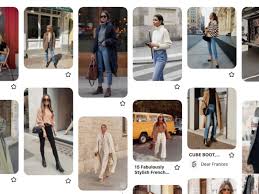
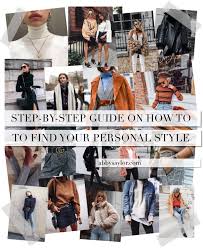
- Find Inspiration: Browse fashion blogs, social media platforms like Instagram and Pinterest, or magazines to gather ideas. Save outfits that catch your eye.
- Consider Your Lifestyle: Your wardrobe should align with your daily activities. For instance, a professional wardrobe is essential if you work in an office, while casual and practical outfits may suit a more active lifestyle.
- Experiment: Try on different styles, colors, and fits. Sometimes, stepping outside your comfort zone can lead to surprising discoveries.
3. Define Your Style Personality
Your personal style can fall into one or more categories, each with unique characteristics. Identifying your style personality helps you create a cohesive wardrobe.
Common Style Categories
-
Classic: Timeless and elegant with neutral colors, tailored pieces, and minimal accessories.
Example: A crisp white shirt, black trousers, and a trench coat. -
Casual: Relaxed and comfortable with simple, versatile pieces.
Example: Denim jeans, sneakers, and a cozy sweater. -
Bohemian: Flowy fabrics, earthy tones, and eclectic patterns.
Example: Maxi dresses, fringed bags, and layered jewelry. -
Edgy: Bold and unconventional with leather, studs, and dark colors.
Example: A leather jacket, ripped jeans, and combat boots. -
Chic: Polished and fashion-forward with sleek silhouettes and statement pieces.
Example: A tailored blazer, high-waisted trousers, and pointed heels.
4. Build a Functional Wardrobe
Once you understand your preferences and style personality, it’s time to curate a wardrobe that works for you. A functional wardrobe is versatile, cohesive, and tailored to your needs.
Tips for Building Your Wardrobe
- Start with Basics: Invest in high-quality basics like a white t-shirt, black pants, a blazer, and a pair of comfortable shoes.
- Add Statement Pieces: Incorporate bold or unique items that showcase your personality, such as patterned scarves, jewelry, or brightly colored shoes.
- Focus on Fit: Clothes that fit well enhance your silhouette and boost your confidence. Consider tailoring for a perfect fit.
- Prioritize Quality Over Quantity: Fewer, better-quality items last longer and elevate your overall look.
- Organize by Occasion: Categorize your wardrobe into casual, work, and formal wear to make outfit selection easier.
5. Master the Art of Accessorizing
Accessories are the finishing touch to any outfit and can transform a simple look into something extraordinary.
Tips for Effective Accessorizing
- Choose Complementary Pieces: Match your accessories to your outfit’s color scheme and vibe.
- Experiment with Layers: Try layering necklaces, bracelets, or rings for a unique look.
- Invest in Versatile Items: A classic watch, a neutral handbag, or a pair of black sunglasses can go with almost anything.
6. Stay True to Yourself
Trends come and go, but personal style is timeless. While experimenting with trends is fun, always stay true to what feels authentic to you.
How to Stay Genuine to Your Style
- Trust Your Instincts: If something doesn’t feel right, don’t wear it—even if it’s trendy.
- Evolve Gradually: Your style can change over time, but let it evolve naturally based on your preferences and lifestyle.
- Focus on Comfort: Confidence comes from feeling comfortable in your clothes. Avoid styles that restrict or distract you.
7. Dress with Confidence
Confidence is the ultimate accessory. When you feel good in what you’re wearing, it shows. Practice self-love, embrace your body shape, and wear clothes that highlight your best features.
Confidence-Boosting Tips
- Stand Tall: Good posture enhances your appearance and radiates confidence.
- Smile: A genuine smile is the easiest way to complete any look.
- Own Your Style: Be proud of your choices and wear them with conviction.
Conclusion.
Discovering your personal style is a journey of self-discovery, creativity, and self-expression. By understanding your preferences, building a functional wardrobe, and dressing with confidence, you can create a style that’s uniquely yours. Remember, personal style is not about perfection—it’s about feeling good in your own skin and showcasing your individuality to the world. So, explore, experiment, and embrace the process of dressing with confidence.



Comments 0
Sign in to join the conversation.
No comments yet. Be the first to say something.