


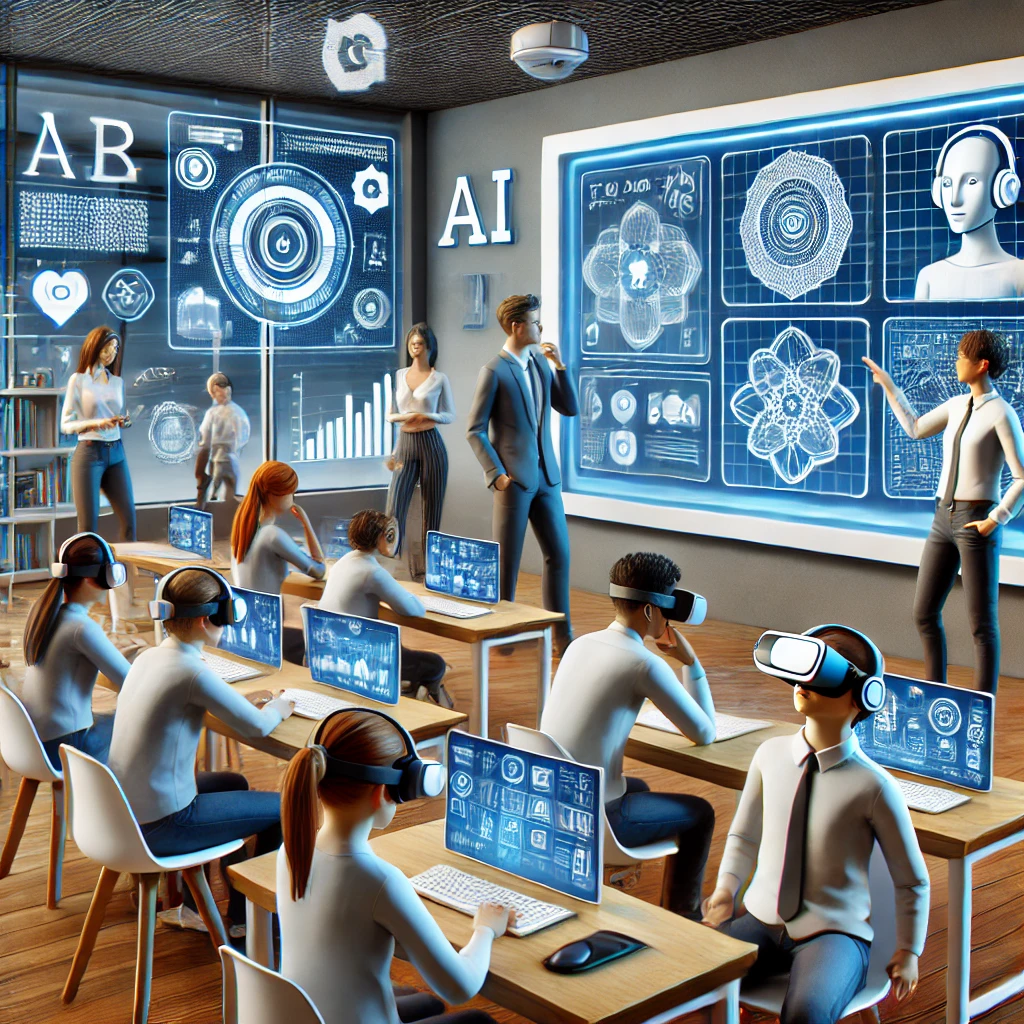
Introduction: Shift from Passive to Active Learning
Education is no longer about rote memorization and passive lectures.
The modern world demands students who can think critically, solve problems, and collaborate effectively. This is where active learning comes in!
Instead of students sitting silently while a teacher delivers a lesson, active learning engages them in the process. Whether through group discussions, problem-solving tasks, hands-on experiments, or interactive digital tools, active learning has transformed classrooms into dynamic spaces of exploration and growth.
But what exactly is active learning, and how can it be effectively implemented? Let’s dive in!
What is Active Learning? 🤔📚
Active learning is a student-centered teaching approach that encourages engagement and participation rather than passive listening. It emphasizes interaction, discussion, problem-solving, and hands-on activities to enhance understanding and retention.
Instead of simply memorizing facts, students apply concepts, ask questions, and collaborate, leading to deeper learning. Research has shown that students engaged in active learning retain information 50% more effectively than those in traditional lecture-based classes.

📌 Key Features of Active Learning:
✔ Encourages students to think critically and independently
✔ Promotes collaboration and teamwork
✔ Makes learning fun, interactive, and engaging
✔ Improves problem-solving and decision-making skills
✔ Helps students retain and apply knowledge effectively۔
Why is Active Learning Important? 💡📖
🚀 Boosts Retention & Understanding:
Studies suggest that students remember only 10% of what they read but 75% of what they actively do. Hands-on activities reinforce learning more effectively than passive note-taking.

🎯 Develops Critical Thinking Skills:
Active learning requires students to analyze, question, and evaluate information rather than just memorize it. This helps in decision-making and problem-solving—essential skills for the modern world.
🤝 Enhances Collaboration & Communication:
Group activities, debates, and team-based projects improve communication and teamwork skills, preparing students for real-world work environments.
😊 Makes Learning Fun & Engaging:
Who enjoys sitting through hours of lectures? Active learning adds games, discussions, and real-world examples, making lessons more interesting and relatable.

Effective Active Learning Strategies 🏫🧠
🔹 Think-Pair-Share – Students think individually, discuss with a partner, and then share their ideas with the class.
🔹 Case Studies & Problem-Solving – Encourages students to analyze real-world problems and develop solutions.
🔹 Role-Playing & Simulations – Helps students step into different perspectives and understand concepts deeply.
🔹 Flipped Classroom Model – Students learn at home (via videos/readings) and apply knowledge through discussions in class.
🔹 Gamification – Using quizzes, puzzles, and interactive tools to make learning exciting.

How Technology Enhances Active Learning 💻📲
📱 Educational Apps & Platforms: Tools like Google Classroom, Kahoot, and Quizizz make active learning easier and more interactive.
🎮 Game-Based Learning: Platforms like Duolingo and Prodigy gamify learning, keeping students engaged.
🌍 Virtual Classrooms & AI-Based Learning: AI-powered platforms offer personalized learning experiences, ensuring students understand topics at their own pace.
📺 Multimedia Learning: Videos, podcasts, and AR/VR tools enhance visualization, making concepts easier to grasp.
Real-Life Examples of Active Learning 🌟
📌 Case Study 1: Finland’s Education System
Finland is known for its world-class education system, which heavily focuses on active learning. Instead of traditional exams, students engage in problem-solving projects and hands-on experiments, resulting in higher engagement and better academic performance.

📌 Case Study 2: A School That Banned Lectures
A school in the UK removed traditional lectures and switched entirely to discussion-based learning and hands-on projects. The result? Students scored 30% higher on national exams compared to traditional teaching methods!
📌 Case Study 3: NASA’s Training Programs
Even organizations like NASA use active learning! Instead of relying solely on textbooks, astronauts train through simulations, real-world problem-solving, and hands-on tasks, making learning more effective.
Challenges & Solutions in Implementing Active Learning
🚧 Challenge 1: Resistance from Traditional Teachers
💡 Solution: Provide training and workshops to help teachers adapt to modern teaching techniques.
🚧 Challenge 2: Classroom Time Constraints
💡 Solution: Use a blended learning approach—combine short lectures with hands-on activities.
🚧 Challenge 3: Large Class Sizes
💡 Solution: Break students into small groups for discussions and activities, ensuring everyone participates.

The Future of Active Learning 🌍🔮
With the rise of AI, VR, and digital learning tools, active learning is evolving rapidly. Schools and universities worldwide are shifting from traditional teaching to interactive, student-centered approaches.
Experts predict that in the next decade:
✔ AI-powered personalized learning will replace one-size-fits-all teaching.
✔ Virtual reality (VR) classrooms will make learning more immersive.
✔ Project-based learning will become the standard in education.
Active learning is not just a teaching strategy; it’s a mindset shift that makes education more effective, engaging, and fun.
Final Thoughts: Why You Should Embrace Active Learning Today! 🌟
Active learning is revolutionizing education by making it engaging, interactive, and student-driven. Whether you're a teacher, student, or parent, embracing active learning can lead to better knowledge retention, improved critical thinking, and a more enjoyable learning experience.
💬 What are your thoughts on active learning? Have you tried any of these methods? Share your experiences in the comments below! 👇👇







Comments 0
Sign in to join the conversation.
No comments yet. Be the first to say something.