

1. What is Inflation? An Overview
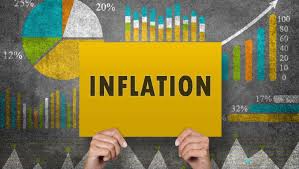
Inflation is the rate at which the general level of prices for goods and services rises, reducing the purchasing power of money over time. It is a natural part of economic growth, but excessive or uncontrolled inflation can destabilize economies.
Moderate inflation is often seen as a sign of a healthy economy, encouraging spending and investment. However, when inflation spirals, it erodes savings, increases the cost of living, and creates economic uncertainty.
2. Types of Inflation: Demand-Pull, Cost-Push, and Built-In
Inflation can be classified into three primary types:
- Demand-Pull Inflation: Occurs when consumer demand exceeds supply, driving prices up.
- Cost-Push Inflation: Arises from increased production costs, such as raw materials or wages.
- Built-In Inflation: Results from the expectation of rising prices, leading to wage and price adjustments.
Understanding these types helps policymakers and economists address inflation's root causes effectively.
3. Causes of Inflation: Key Economic Drivers
Several factors contribute to inflation, including:
- Increased Money Supply: When central banks inject more money into the economy.
- Supply Chain Disruptions: Reduced availability of goods due to global or local factors.
- High Consumer Demand: A surge in demand for products and services.
- Geopolitical Events: Wars, trade conflicts, and sanctions affecting resource availability.
- Currency Devaluation: A weaker currency increasing the cost of imports.
These causes often interact, creating complex inflationary pressures.

4. The Impact of Inflation on Individuals and Businesses
Inflation affects various aspects of daily life and economic activity:
- Individuals: Higher prices for essentials like food, fuel, and housing strain household budgets. Fixed-income earners are particularly vulnerable.
- Businesses: Rising input costs can reduce profitability, while uncertainty impacts investment decisions.
- Savings and Investments: Inflation erodes the real value of savings and fixed-income investments, prompting a shift toward inflation-protected assets.
Adapting to inflation requires both individuals and businesses to reassess financial strategies.
5. How Governments Manage Inflation
Governments and central banks play a critical role in controlling inflation. Key measures include:
- Monetary Policy: Adjusting interest rates to influence borrowing and spending.
- Fiscal Policy: Modulating government spending and taxation to regulate demand.
- Supply-Side Interventions: Addressing production bottlenecks to stabilize prices.
- Exchange Rate Management: Stabilizing currency values to mitigate import-related inflation.
Balancing these tools helps ensure economic stability while minimizing the adverse effects of inflation.
6. Personal Strategies to Cope with Inflation
Individuals can take steps to protect their finances during inflationary periods:
- Budgeting: Tracking expenses and prioritizing essentials.
- Investing in Inflation-Protected Assets: Such as Treasury Inflation-Protected Securities (TIPS).
- Diversifying Income Streams: Exploring additional sources of income to offset rising costs.
- Reducing Debt: Minimizing variable interest rate loans that can become costlier.
Prudent financial planning is key to weathering inflation's effects.

7. Inflation Trends and Predictions for the Future
As economies recover from global disruptions, inflation trends vary:
- Global Recovery: Post-pandemic demand surges and supply chain normalization.
- Technological Advancements: Innovations may lower production costs over time.
- Climate Change Costs: Adaptation and mitigation efforts impacting resource availability.
- Long-Term Projections: Central banks focusing on achieving stable inflation targets.
Monitoring these trends helps stakeholders prepare for future economic conditions.

You must be logged in to post a comment.