


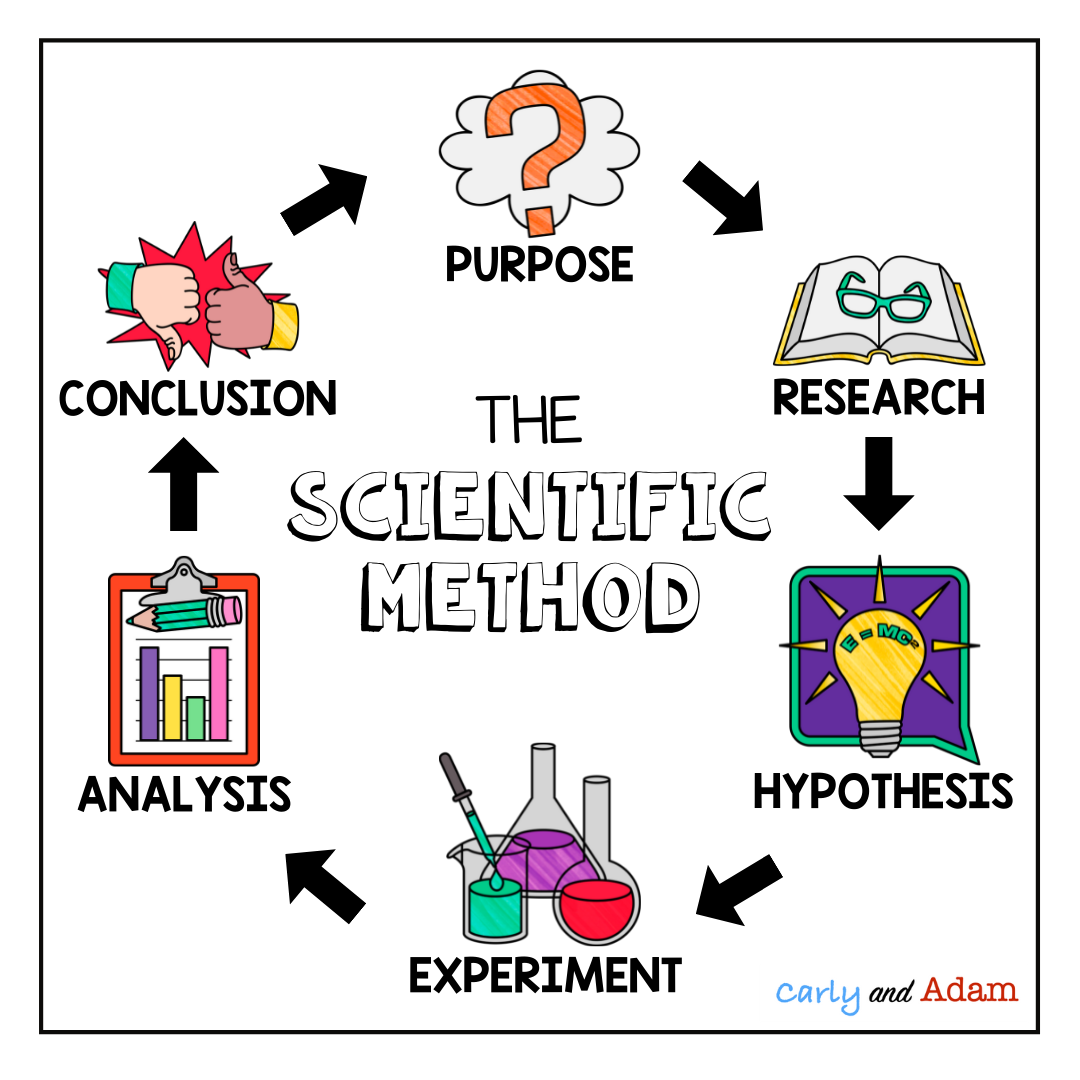
The Scientific Method:
This is the foundation of science. It involves a systematic approach to inquiry, typically comprising several steps:
Observation:
Scientists observe natural phenomena or ask questions about the world around them.
Hypothesis Formation:
Based on observations, scientists propose tentative explanations, or hypotheses, to address their questions.
Prediction: Hypotheses generate predictions that can be tested through experiments or further observations.
Experimentation or Observation:
Scientists design and conduct experiments or make observations to test their hypotheses.
Analysis and Conclusion:
Data from experiments or observations are analyzed to determine whether they support or refute the hypothesis. Conclusions are drawn based on the evidence gathered.
Branches of Science:
Physical Sciences:
This includes disciplines such as physics, chemistry, and astronomy, which focus on understanding fundamental aspects of matter, energy, and the universe.
Life Sciences:
Biology, ecology, genetics, and other life sciences explore living organisms, their functions, behaviors, and interactions with their environment.
Earth Sciences:
Geology, meteorology, oceanography, and environmental science study the Earth, its processes, structures, and dynamics.
Social Sciences:
Psychology, sociology, anthropology, and economics examine human behavior, societies, cultures, and institutions.
Theoretical and Experimental Science:
Science encompasses both theoretical and experimental approaches. Theoretical science involves developing models, frameworks, and theories to explain natural phenomena, while experimental science involves conducting experiments to test these theories or hypotheses.
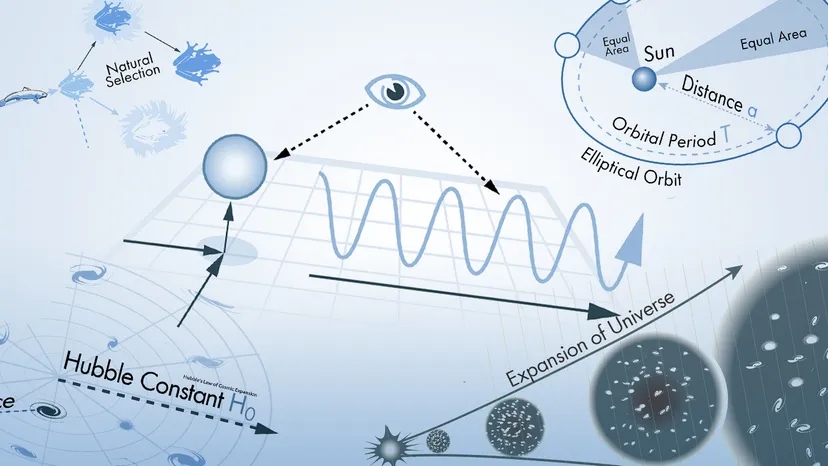
Scientific Laws and Theories:
In science, a "law" describes a fundamental principle or pattern observed in nature, often expressed as a mathematical equation (e.g., Newton's laws of motion). A "theory" is a well-substantiated explanation of some aspect of the natural world that is based on a body of evidence and has withstood rigorous testing and scrutiny (e.g., the theory of evolution).
Technological Applications:
Science drives technological innovation and applications in various fields, such as medicine, transportation, communication, energy, and agriculture. For example, advances in genetics have led to breakthroughs in medical treatments and biotechnology, while discoveries in physics have enabled the development of technologies like computers, smartphones, and renewable energy sources.
Interdisciplinary Nature:
Many scientific inquiries require interdisciplinary approaches, as they involve complex systems or phenomena that cannot be fully understood within the confines of a single discipline. Collaborations between scientists from different fields often lead to new insights and discoveries.
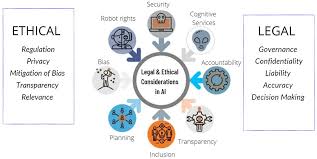
Ethical Considerations:
Science also raises ethical questions and considerations, particularly in areas such as genetic engineering, artificial intelligence, environmental conservation, and medical research. Ethical frameworks help guide scientific research and its applications, ensuring that they benefit society while minimizing harm.
Historical Perspectives:
Understanding the history of science provides insight into how scientific knowledge has evolved over time. Ancient civilizations made significant contributions to fields like mathematics, astronomy, and medicine. The Scientific Revolution of the 16th and 17th centuries, marked by figures such as Copernicus, Galileo, and Newton, laid the groundwork for modern science by promoting empirical observation and mathematical reasoning. The development of modern scientific methods and disciplines accelerated during the Enlightenment era and continues to evolve today.
Quantitative and Qualitative Approaches:
Science employs both quantitative (numerical) and qualitative (descriptive) approaches to investigation. Quantitative methods involve measurements, calculations, and statistical analysis to quantify phenomena and relationships, while qualitative methods focus on understanding the qualities, characteristics, and meanings associated with phenomena through observation, interviews, and textual analysis.
Peer Review and Publication:
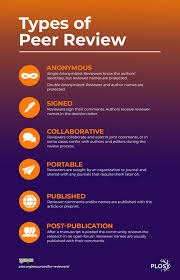
The dissemination of scientific knowledge relies on peer-reviewed publications, where researchers submit their findings to scholarly journals for evaluation by experts in the field. Peer review ensures the quality and credibility of scientific research by subjecting it to scrutiny, critique, and validation before publication. This process helps maintain the integrity and reliability of scientific literature.









Comments 0
Sign in to join the conversation.
No comments yet. Be the first to say something.