

1. Introduction to Bureaucracy and Its Importance
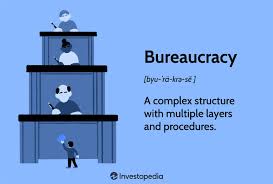
Bureaucracy is a cornerstone of organized governance, providing the structure necessary for policy implementation and societal stability. Bureaucrats, as public servants, bridge the gap between policymakers and citizens by ensuring that government initiatives are effectively executed.
From managing public resources to enforcing regulations, bureaucrats play a pivotal role in maintaining the functionality of society. Without their diligence, the systems underpinning modern governance would struggle to meet the needs of growing populations and complex global challenges.
2. The Role and Responsibilities of Bureaucrats
Bureaucrats wear many hats in their service to the public. Their primary responsibilities include:
- Policy Implementation: Translating legislative decisions into actionable programs.
- Public Administration: Managing departments, resources, and personnel.
- Regulatory Oversight: Ensuring compliance with laws and regulations.
- Service Delivery: Providing essential services like education, healthcare, and infrastructure.
- Crisis Management: Responding to emergencies and maintaining public order.
By performing these functions, bureaucrats ensure the smooth operation of government machinery and the welfare of citizens.

3. Challenges Faced by Bureaucrats in Modern Governance
Modern bureaucrats face numerous challenges, including:
- Bureaucratic Red Tape: Excessive procedural requirements that can hinder efficiency.
- Public Scrutiny: Increased expectations for transparency and accountability.
- Resource Constraints: Limited budgets and staffing levels impacting service delivery.
- Technological Adaptation: Keeping up with rapid advancements in technology.
- Political Pressures: Balancing neutrality with demands from political leaders.
These challenges require adaptive strategies to uphold the integrity and effectiveness of bureaucratic systems.

4. The Evolution of Bureaucracy in the Digital Age
The digital age is transforming bureaucracy, introducing new tools and methods to enhance efficiency and accessibility. Key advancements include:
- E-Governance: Online platforms for service delivery and citizen engagement.
- Data Analytics: Using big data to inform policy decisions and resource allocation.
- Automation: Streamlining administrative tasks through artificial intelligence and machine learning.
- Digital Literacy: Training bureaucrats to leverage technology effectively.
These innovations are redefining traditional bureaucratic structures, making them more responsive and transparent.
5. Balancing Bureaucratic Efficiency and Public Accountability
While efficiency is critical for bureaucracy, it must not come at the cost of accountability. Striking this balance involves:
- Transparent Processes: Ensuring decision-making is open to public scrutiny.
- Feedback Mechanisms: Establishing channels for citizen input and complaints.
- Performance Metrics: Measuring outcomes to evaluate bureaucratic effectiveness.
- Ethical Standards: Upholding integrity and fairness in all operations.
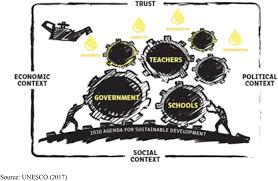
Achieving this balance fosters trust between the government and the public, a cornerstone of effective governance.
6. Case Studies: Effective Bureaucratic Systems Worldwide
Examining successful bureaucracies provides insights into best practices. Examples include:
- Singapore: Known for its efficient public administration and zero-tolerance approach to corruption.
- Germany: A strong federal bureaucracy that ensures decentralized governance.
- Scandinavian Countries: Emphasis on welfare services and citizen-centric governance.
These case studies highlight the importance of adaptability, innovation, and accountability in building robust bureaucratic systems.
7. The Future of Bureaucracy: Trends and Innovations
The future of bureaucracy will be shaped by global trends and innovations, such as:
- Artificial Intelligence: Automating routine tasks to free up resources for complex decision-making.
- Public-Private Partnerships: Collaborating with private entities to enhance service delivery.
- Sustainability Goals: Aligning bureaucratic efforts with environmental and social objectives.
- Globalization: Adapting to international standards and cross-border collaborations.
These developments will require a shift in mindset and skill sets for bureaucrats, ensuring they remain relevant in an ever-changing world.


You must be logged in to post a comment.