


As privacy concerns and data regulations tighten, e-commerce businesses are turning to zero-party data as a way to gain valuable customer insights while maintaining trust. Unlike third-party data collected from external sources or inferred data based on user behavior, zero-party data is voluntarily shared by customers themselves. This emerging data strategy not only ensures compliance with privacy standards but also fosters stronger customer relationships.
In this article, we’ll explore what zero-party data is, why it’s essential for e-commerce, and how businesses can effectively gather and use it to drive growth.

What is Zero-Party Data?
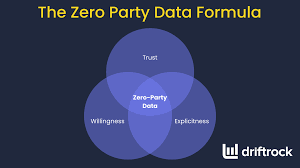
Zero-party data refers to information that customers willingly and proactively share with a business. This data can include preferences, interests, purchase intentions, and feedback. Unlike first-party data, which is passively collected through user interactions, zero-party data is explicitly provided by the customer.
Examples of Zero-Party Data:
- Answers to surveys or quizzes
- Preferences selected in account settings
- Feedback forms or product reviews
- Wishlists or saved items
- Volunteered data during personalization requests
Why Zero-Party Data is Important in E-Commerce
-
Compliance with Privacy Regulations:
- With regulations like GDPR and CCPA, businesses face stricter requirements on data collection and usage. Zero-party data is obtained with explicit customer consent, ensuring compliance.
-
Building Trust and Transparency:
- By being upfront about data collection and showing customers the benefits of sharing their information, businesses can foster trust and loyalty.
-
Enhanced Personalization:
- Zero-party data provides clear insights into customer preferences, enabling businesses to deliver highly personalized shopping experiences.
-
Higher Data Accuracy:
- Since zero-party data is directly provided by customers, it is more accurate and reliable than inferred data from third-party sources.
-
Cost Efficiency:
- Relying on zero-party data eliminates the need for expensive third-party data sources and reduces dependency on targeted advertising platforms.
How to Gather Zero-Party Data in E-Commerce
-
Interactive Quizzes and Surveys:
- Use engaging quizzes to learn about customer preferences. For example, a skincare brand can ask questions about skin type to recommend suitable products.
- Offer incentives like discounts or loyalty points for completing surveys.
-
Personalization Options:
- Allow customers to set their preferences for product recommendations, email content, and shopping experiences.
- For example, a fashion store can let users select style preferences to tailor product suggestions.
-
Loyalty Programs:
- Reward customers for providing information through loyalty programs. Points for filling out a profile or sharing feedback encourage participation.
-
Product Feedback and Reviews:
- Invite customers to leave reviews or feedback after a purchase. Not only does this collect valuable data, but it also increases trust among future buyers.
-
Exclusive Offers:
- Create gated content, such as early access to sales or product launches, in exchange for customer preferences or insights.
-
Gamification:
- Introduce gamified elements like spin-to-win wheels or points for filling out preference forms. This makes data collection fun and interactive.

How to Use Zero-Party Data
-
Personalized Marketing Campaigns:
- Use customer-provided preferences to send tailored emails or ads that resonate with their interests. For instance, if a customer selects eco-friendly products, highlight sustainable options in campaigns.
-
Product Recommendations:
- Leverage zero-party data to offer personalized product recommendations, such as “Because you liked X, you might like Y.”
-
Dynamic Pricing and Promotions:
- Tailor discounts and promotions based on customer preferences. For example, offer a discount on items a customer has saved in their wishlist.
-
Enhanced Customer Segmentation:
- Use the data to group customers into highly specific segments, enabling better targeting and improving campaign effectiveness.
-
Improved User Experience:
- Incorporate preferences into the website or app to create a seamless, customized shopping experience. For example, showing relevant categories on the homepage.
Best Practices for Building Trust While Collecting Zero-Party Data
-
Be Transparent:
- Clearly explain what data you’re collecting, why it’s needed, and how it will be used. Use simple, customer-friendly language to build trust.
-
Provide Value:
- Demonstrate the tangible benefits of sharing data, such as better recommendations, exclusive offers, or a personalized experience.
-
Ensure Data Security:
- Invest in robust data protection measures to secure customer information. Highlight your commitment to security in your policies.
-
Offer Control:
- Give customers the ability to update or delete their data whenever they choose. Empowering them fosters trust and reduces resistance to data sharing.
-
Keep It Simple:
- Avoid overwhelming customers with lengthy forms. Gather information incrementally and only ask for data that adds value to their experience.
Challenges of Using Zero-Party Data
-
Customer Willingness:
- Convincing customers to share their data voluntarily requires clear communication of value and trust-building strategies.
-
Integration with Existing Systems:
- Businesses must ensure that their e-commerce platforms and CRMs can seamlessly incorporate zero-party data into operations.
-
Balancing Personalization and Privacy:
- Over-personalization can feel intrusive. Use zero-party data wisely to enhance experiences without crossing boundaries.
Real-Life Examples of Zero-Party Data in Action
-
Netflix:
- Netflix asks users to rate shows and select genres they like. This zero-party data helps tailor personalized recommendations.
-
Spotify:
- Spotify uses customer-selected preferences during account setup to create curated playlists and discover weekly features.
-
Stitch Fix:
- The fashion subscription service uses detailed style quizzes to gather zero-party data and deliver personalized clothing items.
-
The North Face:
- The brand offers an interactive quiz to help customers find the perfect jacket, collecting zero-party data while improving the shopping experience.
Conclusion
Zero-party data is a game-changer for e-commerce businesses looking to build trust and create meaningful, personalized experiences. By encouraging customers to share data voluntarily and providing value in return, businesses can move away from invasive tracking practices and toward transparent, consent-driven data strategies. As data privacy continues to be a key concern for consumers, adopting zero-party data practices will not only help businesses comply with regulations but also strengthen customer relationships and loyalty.





Comments 0
Sign in to join the conversation.
No comments yet. Be the first to say something.